
Nice to Meet You in British Sign Language (BSL)

The sign for “nice to meet you” is a warm and friendly way to greet someone in the UK Deaf community. It is commonly used during introductions or when meeting someone for the first time, helping to establish a positive connection. This sign reflects the welcoming nature of Deaf culture.
How to Sign “Nice To Meet You In Bsl”
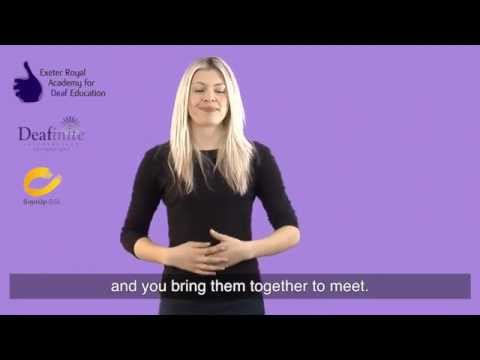
- Start with both hands in a flat shape (like a ‘B’ handshape) facing towards you.
- Begin by using your dominant hand to move in a circular motion towards the other person, as if you are reaching out to shake hands.
- As you bring your hand back towards your body, simultaneously raise your eyebrows and smile to convey friendliness.
- Finish by bringing both hands together at chest level, palms facing each other, to signify the conclusion of your greeting.
Common Mistakes
- Forgetting to use facial expressions; non-manual features like smiling and raising eyebrows are crucial for conveying warmth.
- Not using the topic-comment structure; ensure your movements clearly indicate who you are meeting or referring to.
- Using an incorrect handshape; ensure both hands are in a flat ‘B’ shape for clarity.
BSL vs ASL
In BSL, “nice to meet you” is signed with a specific movement and handshape, while in ASL, the sign may involve a different handshape and configuration. BSL often incorporates more facial expressions and non-manual features than ASL, reflecting the different cultural contexts of each sign language.
Related Signs
- (Bsl – a general greeting in BSL.
- (Bsl) – used in various contexts for emphasis.
- 1 – the numeral sign for one.
- 1 Dollar – a sign for currency.
- 10 – the numeral sign for ten.
Frequently Asked Questions
How do I use this sign in a sentence?
You can use it at the beginning of a conversation, for example: “Nice to meet you, I am [your name].” Just remember to incorporate the topic-comment structure.
Are there regional variations in this sign?
While the sign remains largely the same across the UK, some regional dialects may have slight variations in speed or intensity.
Can I use this sign in a formal setting?
Yes, this sign is appropriate in both formal and informal situations. It showcases respect and friendliness.
Are there similar signs?
Yes, you might also use signs like “hello” or “pleased to meet you,” which convey similar sentiments.
What are some tips for learning this sign?
Practice in front of a mirror to ensure your facial expressions match the warmth of the sign. Watching videos of native signers can also help.
Is this sign used in other parts of the world?
While similar greetings exist, the exact sign may vary between different sign languages, like ASL or French Sign Language.
Practice ASL Signs
Use your camera to practice signs and get real-time AI feedback on your technique.
Free · No signup required