
National Service in British Sign Language (BSL)

The sign for “national service” in BSL refers to the compulsory military service that was historically required in the UK. This sign is often used in discussions about military history, personal experiences, or when talking about community service. It is important to use this sign sensitively, as it can evoke strong feelings among those who served or experienced national service.
How to Sign “National Service”
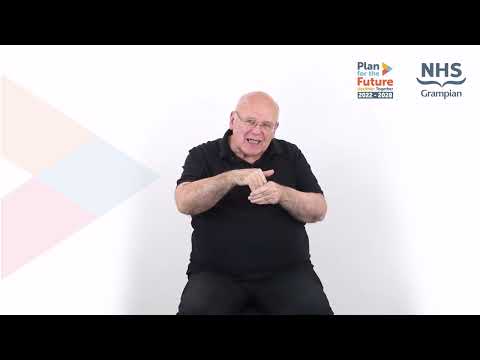
- Start with your dominant hand in a flat ‘B’ shape (palm facing down) at shoulder height.
- Move your hand forward slightly, as if pushing something away.
- Next, use both hands to form the sign for ‘service’. Place one hand in front of the other, with the dominant hand in a ‘B’ shape and the non-dominant hand in a ‘flat’ shape, palms facing each other.
- Move both hands slightly outward, as if presenting something.
- For non-manual features, maintain a neutral facial expression while signing. When you finish the sign, raise your eyebrows slightly to indicate that you are discussing something significant.
Common Mistakes
- Confusing the hand shapes; ensure you use the correct ‘B’ and ‘flat’ shapes.
- Neglecting facial expressions, which are essential in BSL for conveying meaning and emotion.
- Rushing through the sign; take your time to ensure clarity and accuracy.
BSL vs ASL
In BSL, the sign for “national service” uses distinct hand shapes and movements that differ from ASL. ASL may have a different sign or concept entirely for military service, often incorporating more fingerspelling. BSL relies heavily on the visual-spatial context and non-manual features to convey meaning.
Related Signs
- Military – Referring to the armed forces.
- Service – A general sign for providing help or assistance.
- Volunteer – To offer service willingly without pay.
- Community – Relating to a group of people living in a specific area.
- History – The study of past events, often discussed in relation to national service.
Frequently Asked Questions
How can I use this sign in a sentence?
You can say, “I did national service” by signing “I” followed by the sign for “national service”.
Are there regional variations for this sign?
While the sign is generally consistent, some regions may have slight variations in hand shapes or movement speed. Be attentive to local signs.
What are similar signs to learn?
Consider learning the signs for “military” and “community” for related conversations.
Any tips for mastering this sign?
Practice in front of a mirror to ensure your hand shapes and facial expressions are accurate.
Can this sign be used in formal settings?
Yes, it is appropriate to use in discussions about history or military service in both formal and informal settings.
What if I confuse the hand shapes?
If you mix up the shapes, don’t worry! Just practice more and ask for feedback from others in the Deaf community.
Practice This Sign
Try signing National Service In Bsl with your camera and get AI coaching on your handshape, movement, and location.
Free · No signup required