
National Institute for Health and Care Excellence Nice in British Sign Language (BSL)

The sign for “National Institute for Health and Care Excellence,” commonly referred to as NICE, is used in discussions related to healthcare, guidelines, and medical advice within the UK Deaf community. This sign helps convey important information about healthcare standards and practices. It’s often used in professional settings, community discussions, or when explaining health-related topics.
How to Sign “National Institute For Health And Care Excellence Nice”
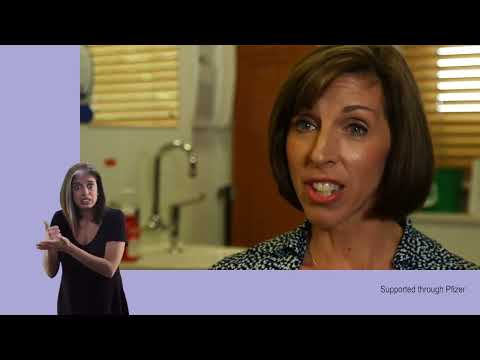
- Start with your dominant hand in the shape of the letter ‘N’ (index and middle fingers extended, other fingers curled). Position your hand near your forehead.
- Move your ‘N’ hand forward and slightly downwards, as if you are presenting the concept.
- Next, transition to the sign for ‘Institute’ by forming the letter ‘I’ (pinky finger extended, other fingers curled) with your dominant hand and tapping it against your non-dominant palm, which is flat and facing up.
- For ‘Health’, use both hands in a ‘H’ shape (index and middle fingers extended, other fingers curled). Place your dominant hand on your chest, moving it outward to represent health or well-being.
- Sign ‘Care’ by making a ‘C’ shape with your dominant hand and moving it gently from your chest outward, indicating care or nurturing.
- Finally, use both hands to mimic the sign for ‘Excellence’ by placing your dominant hand in a ‘5’ shape (fingers spread) and moving it upward from the side of your body, showing a positive elevation.
Common Mistakes
- Forgetting the topic-comment structure; ensure you start with the main sign and then provide the details.
- Using incorrect facial expressions; remember to maintain appropriate non-manual features that convey importance and clarity.
- Not using space effectively; each part of the sign should occupy its own space to avoid confusion.
BSL vs ASL
In BSL, “National Institute for Health and Care Excellence” is signed with a specific combination of signs that reflect the organisation‘s importance in the UK. In contrast, ASL may have a different sign for NICE, often using fewer components and relying more on fingerspelling. This highlights the differences in structure and cultural context between the two sign languages.
Related Signs
- Health – Refers to overall well-being and medical status.
- Care – Indicates concern or nurturing towards someone.
- Excellence – Signifies high quality or superior standard.
- Institute – Represents an organization or establishment for education or research.
- Guidelines – Refers to instructions or rules to follow.
Frequently Asked Questions
How do I use this sign in a BSL sentence?
You can use this sign to introduce a topic about health care in a sentence, such as “NICE provides health guidelines.”
Are there regional variations for this sign in the UK?
While the core sign remains the same, some Deaf individuals may have personal variations or use different signs based on local dialects.
What other signs are similar to NICE?
Other related signs would include ‘Health’, ‘Care’, and ‘Excellence’, all of which connect with the same context of health and care.
What are some tips for learning this sign?
Practice the sign in front of a mirror, focusing on hand shapes and facial expressions. Watching videos and getting feedback from the Deaf community can also help.
Is it important to use facial expressions when signing?
Yes, non-manual features such as facial expressions are crucial in BSL to convey tone and context accurately.
Can I fingerspell NICE instead?
Fingerspelling is acceptable, especially in formal contexts, but using the sign is more fluid and engaging in conversation.
Practice This Sign
Try signing National Institute For Health And Care Excellence Nice In Bsl with your camera and get AI coaching on your handshape, movement, and location.
Free · No signup required