
Name Is in British Sign Language (BSL)

The sign “my name is” is a common introduction used in the UK Deaf community. This phrase allows individuals to introduce themselves and share their name, creating a friendly connection. It is often used in social settings, during introductions, or when meeting new people.
How to Sign “Name Is” in BSL
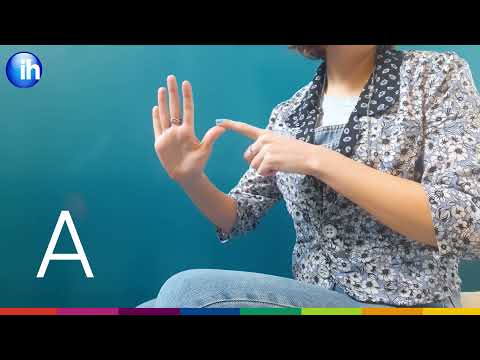
- Start with your dominant hand in a flat handshape (palm facing down) and place it near your chin.
- Move your hand slightly away from your face while keeping the flat handshape. This represents the word “name”.
- Next, use your dominant hand to spell out your name using fingerspelling. Each letter is formed clearly and distinctly.
- As you spell, maintain a facial expression that is friendly and open. This enhances the clarity and warmth of your introduction.
- Finally, bring your hand back to rest near your chin to complete the sign.
Common Mistakes
- Forgetting to use facial expressions, which can make the sign feel less engaging.
- Not maintaining the correct handshape while fingerspelling, leading to confusion.
- Rushing through the fingerspelling, which can make it hard for others to understand your name.
BSL vs ASL
In BSL, the sign for “my name is” employs a topic-comment structure, where “name” is the topic and “is” is expressed through fingerspelling. In contrast, ASL uses a different sign for “name” and incorporates a more direct structure for introductions. This highlights the unique grammatical features of each sign language.
Related Signs
- (Bsl – A sign that represents the concept of BSL itself.
- 1 – The sign for the number one, useful in many contexts.
- 10 – The sign for ten, often used in counting.
- 100 – The sign for one hundred, useful in numeric discussions.
- 11 – The sign for eleven, important for numerical communication.
Frequently Asked Questions
How can I use this sign in a sentence?
You can use this sign at the beginning of your introduction, like “My name is Sarah.” Follow the sign with your name in fingerspelling.
Are there regional variations for this sign in the UK?
While the sign itself remains consistent, some regional accents in fingerspelling may vary slightly, reflecting local dialects within the Deaf community.
What if my name is long or difficult to spell?
If your name is lengthy, practice fingerspelling it slowly and clearly. You can also consider using a nickname if it is more comfortable.
Are there similar signs I should know?
Yes! Signs like “hello” and “nice to meet you” are commonly used alongside introductions.
What tips can help me learn this sign?
Practice in front of a mirror to check your handshape and facial expressions. Watching native signers can also improve your skills.
Can I use this sign when meeting Deaf people from other countries?
While the sign “my name is” is specific to BSL, Deaf individuals from other regions may understand fingerspelling, but their introduction formats may differ.
Practice ASL Signs
Use your camera to practice signs and get real-time AI feedback on your technique.
Free · No signup required