
Job Interview in British Sign Language (BSL)
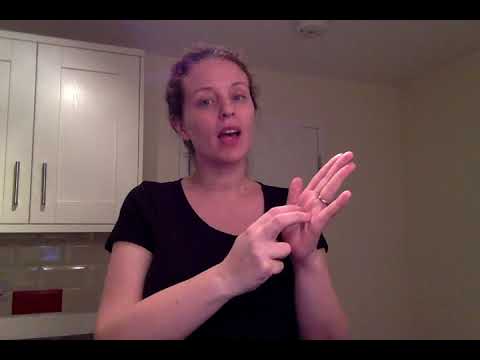
The sign for “job interview” is commonly used within the UK Deaf community when discussing employment opportunities and formal meetings with potential employers. This sign is particularly relevant in professional contexts, making it essential for Deaf individuals preparing for interviews.
How to Sign “Job Interview”
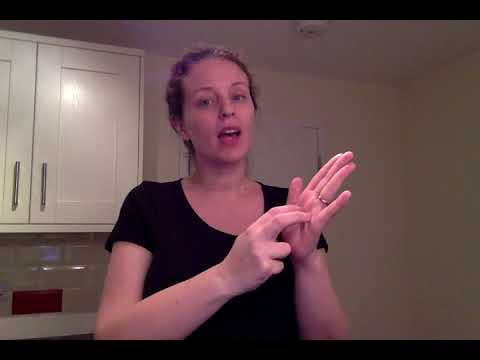
- Start with your dominant hand in a flat shape (like the palm of your hand facing down).
- Position your hand near your chest, as if representing a person or yourself.
- Bring your hand slightly away from your chest and then back towards it, while maintaining the flat handshape.
- Next, use your non-dominant hand to form a “B” shape, placing it in a stable position as if representing a table or desk.
- Finally, use facial expressions to convey seriousness, as this sign relates to a formal occasion.
Common Mistakes
- Forgetting to use the appropriate facial expressions, which are crucial for conveying the seriousness of the context.
- Incorrectly forming the handshapes, which can lead to confusion with other signs.
- Not using the topic-comment structure, which can make the sign less clear in conversation.
BSL vs ASL
In BSL, the sign for “job interview” incorporates specific handshapes and movements that differ from ASL. While both may use a similar concept, the execution and facial expressions in BSL are more pronounced, reflecting the cultural nuances within the UK Deaf community.
Related Signs
- Employment – The act of having a job or being employed.
- Interview – A general meeting to discuss qualifications or skills.
- CV – A sign for “curriculum vitae,” often used in job applications.
- Job – The general sign for work or job position.
Frequently Asked Questions
How can I use “job interview” in a BSL sentence?
You can say, “I have a job interview” by signing “I” with a point to yourself, followed by the sign for “job interview.”
Are there regional variations for this sign?
While the sign is generally consistent, some regions may have slight variations in movement or facial expressions.
What other signs are similar to “job interview”?
Signs like “interview” and “employment” are closely related and can often appear in the same context.
What learning tips do you have for mastering this sign?
Practice with a Deaf friend or in a community setting to improve accuracy and comfort with the sign.
Can I use this sign in casual conversations?
This sign is more formal and is best used in professional contexts rather than casual chats.
What should I focus on when signing?
Pay attention to your facial expressions and the clarity of your handshapes, as they are key components in BSL.
Is there a specific context for using this sign?
This sign is primarily used when discussing job opportunities, applications, and formal interviews.
Practice ASL Signs
Use your camera to practice signs and get real-time AI feedback on your technique.
Free · No signup required