
Help in British in British Sign Language (BSL)
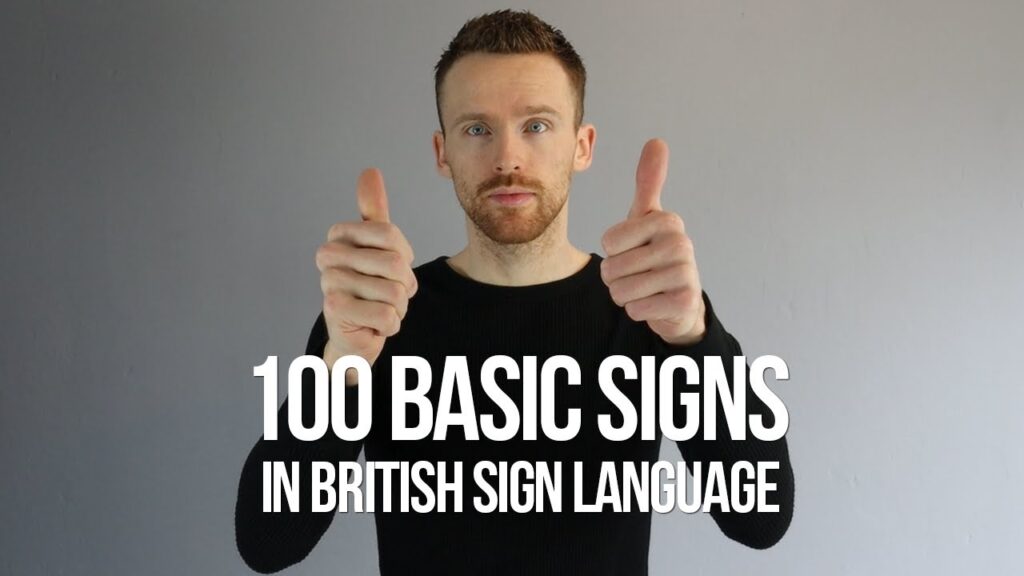
The sign for “help” in British Sign Language (BSL) is a vital expression often used when requesting assistance or offering support. It’s commonly employed in various situations, whether it’s seeking help from a friend or indicating that someone needs assistance in a public setting.
How to Sign “Help In British” in BSL

- Start with your dominant hand in a flat ‘B’ handshape (palm facing up).
- Place the flat hand just above your non-dominant hand, which should be in the same ‘B’ handshape, but palm facing down.
- Lift your dominant hand slightly as if you are offering help, while keeping your non-dominant hand steady.
- Incorporate a friendly facial expression to convey your intention of offering help. A slight nod can enhance the meaning.
Common Mistakes
- Forgetting to use facial expressions, which can lead to a misunderstanding of the intention behind the sign.
- Using the wrong handshape; ensure the dominant hand is flat and not in a fist or other shapes.
- Failing to maintain proper spatial orientation; the positioning of the hands relative to each other is crucial for clarity.
BSL vs ASL
In American Sign Language (ASL), the sign for “help” is quite different. ASL uses a ‘B’ handshape with the dominant hand placed on top of the non-dominant hand, but the movement is more pronounced. This highlights the differences in hand positioning and movement between BSL and ASL.
Related Signs
- Assist – A sign used to indicate assistance in a more formal context.
- Support – Often used when discussing emotional or physical support.
- Helping – Signifies actively helping someone.
- Aid – Focuses on providing aid in various contexts.
- Assistance – A more formal term for offering help.
Frequently Asked Questions
Can I use “help” in different sentences?
Yes, “help” can be integrated into various sentences. For example, “I need help” or “Can you help me?” can be signed effectively in BSL.
Are there regional variations in signing “help”?
While the sign for “help” is generally consistent across the UK, some regional variations may exist in the speed or emphasis of the sign.
What are similar signs to “help”?
Signs like “assist” and “support” are closely related and can be used in similar contexts depending on the situation.
What tips do you have for learning this sign?
Practice regularly in front of a mirror to ensure your hand shapes and facial expressions are accurate. Engaging with the Deaf community can also enhance your learning.
How can I express urgency when asking for help?
To express urgency, increase the speed of the sign and use more pronounced facial expressions, such as wide eyes or a concerned expression.
Can “help” be used in a more informal context?
Absolutely! “Help” is versatile and can be used casually among friends or in more serious situations when needed.
Are there signs that combine with “help” for specific contexts?
Yes, combining “help” with signs like “need” or “want” can clarify the context in which you are seeking assistance.
Practice ASL Signs
Use your camera to practice signs and get real-time AI feedback on your technique.
Free · No signup required