
Halloween in British Sign Language (BSL)
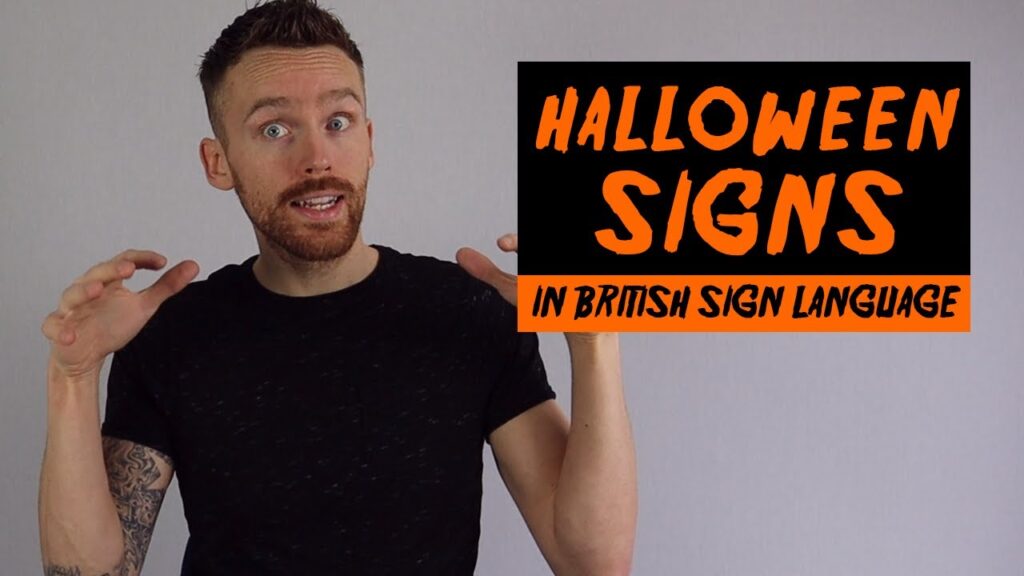
The sign for “Halloween” in BSL represents the celebration that occurs on October 31st, marked by costumes, trick-or-treating, and spooky themes. This sign is commonly used during the Halloween season in the UK Deaf community, especially when discussing plans, events, or traditions related to this festive occasion.
How to Sign “Halloween” in BSL
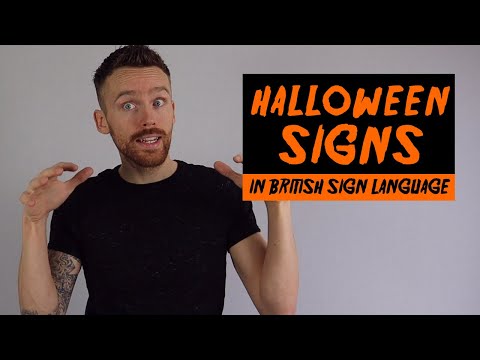
- Start with your dominant hand in a claw shape (like a “C”).
- Position your hand at the side of your head, slightly above your ear.
- Move your hand away from your head in a circular motion, mimicking the shape of a pumpkin.
- As you perform the movement, raise your eyebrows to indicate excitement or spookiness, which adds context to the sign.
Common Mistakes
- Some learners may forget to use the claw handshape, opting for a flat hand instead.
- Not incorporating facial expressions can make the sign less effective, as BSL relies heavily on non-manual features.
- Performing the sign too quickly can lead to unclear movements; take your time to ensure clarity.
BSL vs ASL
In BSL, the sign for “Halloween” uses a distinct handshape and motion that differs from the sign in ASL. While ASL often focuses on the concept of “spooky” in a more abstract way, BSL emphasizes a visual representation of Halloween through the pumpkin-like movement, reflecting cultural aspects specific to the UK.
Related Signs
- Pumpkin – Represents one of the key symbols of Halloween.
- Costume – Refers to the outfits worn during Halloween celebrations.
- Trick or Treat – The popular Halloween tradition of children asking for sweets.
- Spooky – Related to the eerie themes of Halloween.
- Party – Many celebrate Halloween with parties, making this sign relevant.
Frequently Asked Questions
How do I use “Halloween” in a BSL sentence?
You can say “I love Halloween” by signing “I” (point to yourself), then “love” (cross arms over chest), followed by “Halloween.”
Are there regional variations in signing “Halloween”?
While the sign is generally consistent, some regional variations may exist in the handshape or movement, so it’s good to observe local signs.
What are some similar signs to “Halloween”?
Signs like “Pumpkin,” “Costume,” and “Spooky” are closely related and often used during Halloween discussions.
Any tips for learning this sign?
Practice in front of a mirror to ensure your handshape and facial expressions are clear. Watching native signers can also help.
Can I use this sign outside of October?
Yes, you can use the sign whenever discussing Halloween-related topics, such as planning events or reminiscing about past celebrations.
How does the sign change for different contexts?
You may adjust your facial expressions to convey excitement or fright depending on the context of your conversation about Halloween.
Practice ASL Signs
Use your camera to practice signs and get real-time AI feedback on your technique.
Free · No signup required