
Eagle in British Sign Language (BSL)
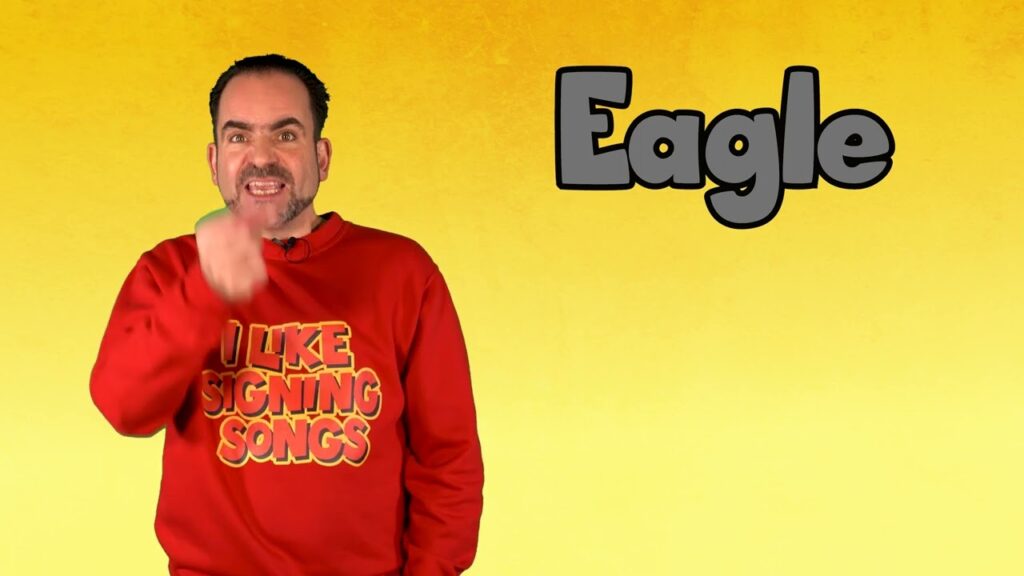
The sign for “eagle” in British Sign Language (BSL) represents the majestic bird of prey, often associated with freedom and strength. This sign is commonly used in wildlife discussions, nature-related topics, and when sharing stories about animals. It can also appear in educational contexts, such as teaching about wildlife conservation.
How to Sign “Eagle” in BSL
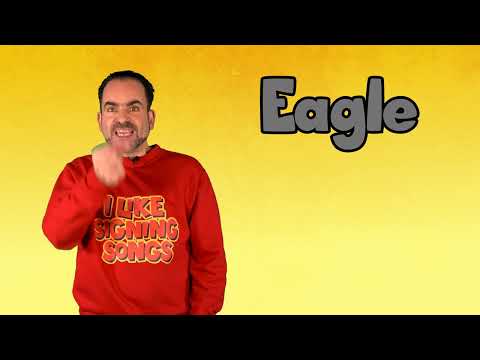
- Start with your dominant hand in a flat ‘B’ handshape, with your fingers together and extended.
- Position your dominant hand at your forehead, palm facing forward.
- Move your hand forward and slightly upward, mimicking the motion of an eagle taking flight.
- As you perform the movement, maintain a focused facial expression to convey the significance of the eagle.
- Optionally, you can add a slight head tilt upwards to enhance the visual representation of the eagle soaring.
Common Mistakes
- Forgetting to use a clear handshape, which can make the sign less recognizable.
- Not incorporating facial expressions, which are essential for conveying meaning in BSL.
- Using the wrong direction of movement; the sign should mimic the upward flight of the eagle.
BSL vs ASL
The sign for “eagle” in BSL differs from American Sign Language (ASL), where the sign typically involves a different handshape and movement pattern. BSL focuses on facial expressions and a more dynamic movement to express the eagle’s flight, while ASL may emphasize more on the characteristics of the bird itself.
Related Signs
- Bird – A general sign for all types of birds.
- Fly – The action of flying, often used in conjunction with bird signs.
- Nature – A broader term that can include discussions of wildlife.
- Wildlife – Referring to animals in their natural habitats.
- Freedom – A concept often associated with eagles.
Frequently Asked Questions
How can I use “eagle” in a BSL sentence?
You can say “I saw an eagle” by signing “I” (point to yourself), then “SEE” (point forward), followed by “EAGLE.”
Are there regional variations for the sign “eagle”?
While “eagle” is generally consistent across the UK, some regions may have slight variations in the handshape or movement.
What are some similar signs to “eagle”?
Signs like “bird,” “hawk,” and “falcon” are related, each representing different types of birds of prey.
Do facial expressions matter in this sign?
Yes, facial expressions enhance the meaning of the sign and convey emotions associated with the eagle.
Any tips for learning this sign?
Practice in front of a mirror to ensure your handshape and facial expressions are clear and accurate.
What context would I use the sign “eagle”?
The sign is useful in wildlife discussions, educational settings, or storytelling about nature.
Practice ASL Signs
Use your camera to practice signs and get real-time AI feedback on your technique.
Free · No signup required