
Bird in British Sign Language (BSL)
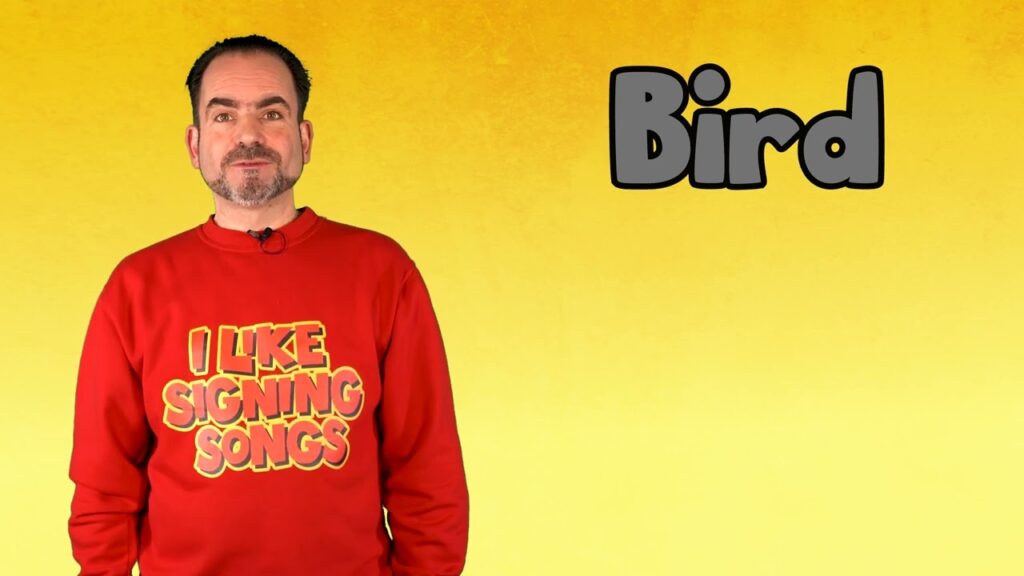
The sign for “bird” in British Sign Language (BSL) represents our feathered friends and is commonly used in conversations about wildlife, nature, and pets. It’s a delightful sign that can convey enthusiasm when discussing birds and their behaviors. You might use it when talking about seeing a bird in your garden or sharing your love for avian species.
How to Sign “Bird” in BSL
- Start with your dominant hand in a “B” handshape (fingers extended, thumb across the palm).
- Position your hand near your chin, with your palm facing inwards.
- Move your hand away from your chin, mimicking the action of a bird’s beak opening and closing. This should be a gentle, fluttering motion.
- As you perform this movement, maintain a cheerful facial expression to reflect the joyful nature of the sign.
- Optionally, you can use your non-dominant hand to represent the ground or a tree, placing it flat in front of you to add context.
Common Mistakes
- Forgetting to use facial expressions, which are crucial for conveying the sign’s meaning and emotion.
- Rushing the movement, which can make the sign less clear and harder to understand.
- Using the wrong handshape; ensure you form a “B” handshape instead of a flat hand or fist.
BSL vs ASL
In American Sign Language (ASL), the sign for “bird” is quite different, typically using a “B” handshape with a more static motion. BSL emphasizes a more dynamic movement to imitate a bird’s beak, showcasing the unique characteristics of each sign language.
Related Signs
- Pigeon – A specific type of bird, often used in discussions about urban wildlife.
- Eagle – Represents a majestic bird of prey, commonly used in nature-related contexts.
- Fly – The action of birds flying, often used in conjunction with “bird.”
- Sparrow – A smaller bird sign that can be used in conversations about local wildlife.
- Nest – Refers to where birds live, often used in discussions about bird behavior and habitats.
Frequently Asked Questions
Can you use “bird” in a BSL sentence?
Yes! For example, you might say, “I saw a bird in the garden,” by signing “BIRD” followed by the sign for “SEE” and then “GARDEN.”
Are there regional variations for the sign “bird”?
While “bird” is generally consistent across the UK, some areas may have slight variations in movement or facial expressions, reflecting local sign preferences.
What is a similar sign to “bird”?
A similar sign is “fly,” which can be used to describe the action of birds and is often used in conjunction with “bird.”
What tips do you have for learning this sign?
Practice in front of a mirror to see your handshape and facial expressions. Watching native signers can also help you understand the nuances of the sign.
Can I use this sign when discussing pet birds?
Absolutely! “Bird” can refer to both wild and pet birds, making it versatile in various contexts.
How do I sign different types of birds?
You can sign “bird” first and then specify the type, such as “sparrow” or “eagle,” using the respective signs for clarity.
Practice ASL Signs
Use your camera to practice signs and get real-time AI feedback on your technique.
Free · No signup required