
Dark Adaptation in British Sign Language (BSL)

The sign for “dark adaptation” in BSL refers to the process of the eyes adjusting to low light conditions, a concept important in discussions around vision and environment. This sign is often used in contexts related to health, science, or when discussing experiences in low-light situations within the UK Deaf community.
How to Sign “Dark Adaptation” in BSL
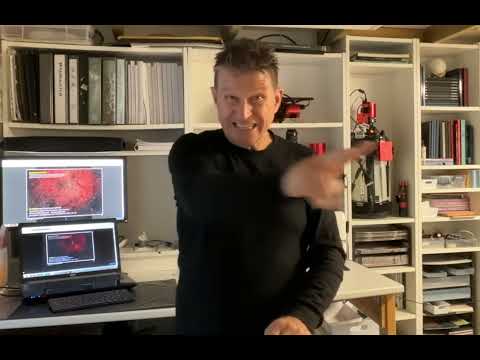
- Start with your dominant hand in a flat ‘B’ handshape (fingers extended and together, thumb tucked). Position it in front of your face, palm facing towards you at about chest height.
- Slowly move your hand away from your face, while simultaneously closing your eyes to indicate the adaptation process. This movement should be smooth and deliberate.
- As you move your hand away, open your eyes gradually, showing the transition from dark to light.
- Maintain a neutral facial expression throughout the sign, which is essential in conveying the meaning clearly. You may also raise your eyebrows slightly to indicate the process of adaptation.
Common Mistakes
- Some learners may forget to use appropriate facial expressions, which can lead to confusion about the sign’s meaning.
- Moving the hand too quickly can make it difficult for viewers to understand the concept of adaptation.
- Using an incorrect handshape instead of the flat ‘B’ handshape can result in a different sign altogether.
BSL vs ASL
In BSL, “dark adaptation” focuses on the physical motion of the hand moving away from the face, which represents the adjustment process. In contrast, ASL may use a different sign that does not involve hand movement away from the face, reflecting a variation in expressing the concept of vision adjustment in low light.
Related Signs
- Vision – The ability to see; often used in discussions about sight.
- Light – Refers to brightness, commonly mentioned in contrast to darkness.
- Eye – Represents the organ of sight, crucial in conversations about vision.
- Dark – Indicates the absence of light, an essential concept in understanding adaptation.
- Adapt – To adjust or change, relevant in various contexts including environmental changes.
Frequently Asked Questions
How can I use “dark adaptation” in a BSL sentence?
You can sign, “DARK ADAPTATION important when in low light,” using the topic-comment structure to emphasise the importance.
Are there regional variations for this sign in the UK?
While the sign is generally consistent, some regions may have slight variations in movement or facial expressions. It’s helpful to learn from local Deaf communities.
What are some similar signs to “dark adaptation”?
Related signs include “light” and “dark,” which are useful when discussing vision and environment.
Any tips for learning this sign?
Practice in front of a mirror to check your handshape and facial expressions. Watching videos of native signers can also help reinforce your understanding.
Can “dark adaptation” be used in everyday conversations?
Yes, especially when discussing experiences in dimly lit environments or in educational contexts about vision.
How does this sign translate in everyday contexts?
It can be used in discussions about photography, astronomy, or any situation that involves light and visibility.
Practice ASL Signs
Use your camera to practice signs and get real-time AI feedback on your technique.
Free · No signup required