
Dark in British Sign Language (BSL)
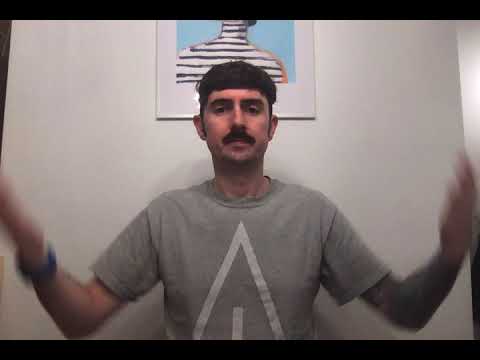
The sign for “dark” in British Sign Language (BSL) is used to describe low light conditions or the absence of light. It can be used in various contexts, such as discussing weather, time of day, or mood. This sign is an essential part of everyday conversations within the UK Deaf community.
How to Sign “Dark”
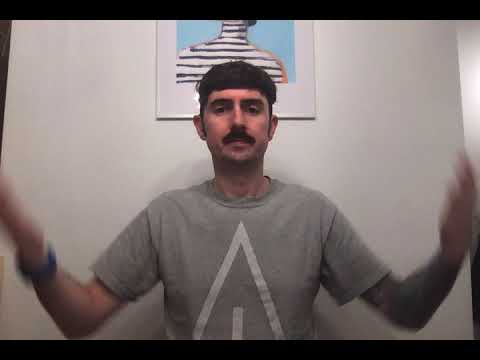
- Start with your dominant hand in a flat ‘B’ handshape (fingers together, palm facing down).
- Position your hand slightly above your forehead, with your palm facing downwards.
- Move your hand downwards in a smooth motion, while simultaneously closing your fingers into a fist.
- As you make the downward movement, slightly squint your eyes to express the concept of darkness.
- Finish with your fist resting at about waist height to indicate the final state of being dark.
Common Mistakes
- Forgetting to use non-manual features, such as facial expressions, which are crucial for conveying the meaning of the sign.
- Using an open handshape instead of the correct ‘B’ handshape, which can lead to confusion.
- Not moving the hand downwards, which can make the sign unclear or incorrect.
BSL vs ASL
In American Sign Language (ASL), the sign for “dark” is different in both hand shape and movement. ASL often uses a more straightforward gesture, whereas BSL incorporates more complex non-manual features and a distinct movement pattern.
Related Signs
- Light – The opposite of dark, used to describe brightness.
- Night – Used to refer to the time of day when it is dark.
- Shadow – Indicates a darker area created by an obstruction of light.
- Dim – Used to describe low light that is not completely dark.
- Gloomy – Describes a dark, overcast atmosphere.
Frequently Asked Questions
How can I use “dark” in a BSL sentence?
You can say “It is dark outside” by signing “OUTSIDE” after “DARK,” making sure to use the topic-comment structure.
Are there regional variations for the sign “dark”?
While the sign is generally consistent, some regional variations may exist in areas with different sign languages or dialects.
What are some similar signs to “dark”?
Similar signs include “dim” and “gloomy,” which convey related meanings about light conditions.
What tips do you have for learning this sign?
Practice in front of a mirror and focus on your facial expressions to fully convey the meaning of the sign.
Can I use “dark” to describe emotions?
Yes, “dark” can also describe feelings, like sadness or depression, so you can accompany the sign with appropriate facial expressions.
What should I avoid when signing “dark”?
Avoid using an incorrect handshape or neglecting facial expressions, as both are vital for clear communication.
Practice ASL Signs
Use your camera to practice signs and get real-time AI feedback on your technique.
Free · No signup required