
Dancing in British Sign Language (BSL)
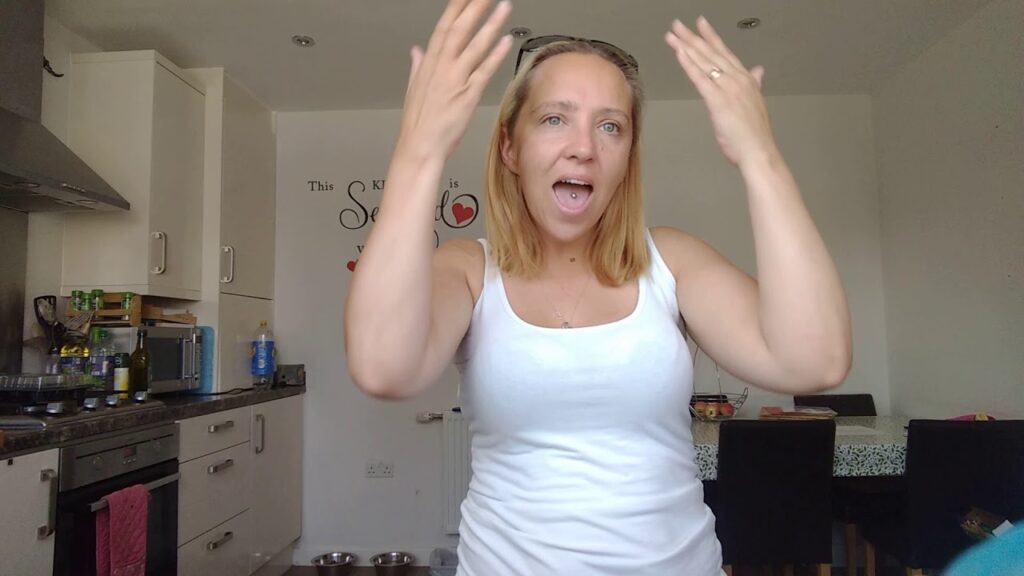
The sign “dancing” in BSL expresses the joyous act of moving rhythmically, often associated with music and celebration. It’s commonly used in social settings, parties, or conversations about hobbies and interests within the UK Deaf community.
How to Sign “Dancing” in BSL
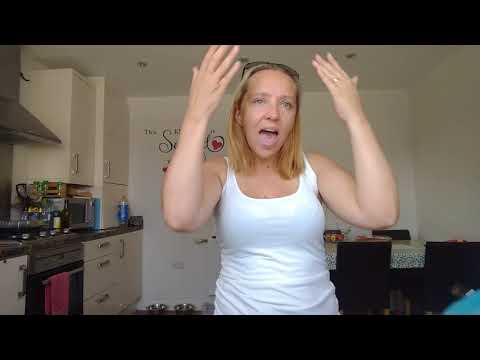
- Start with both hands open and fingers relaxed, palm facing down.
- Position your hands at waist level, about shoulder-width apart.
- Move your hands in a gentle, wavy motion, as if mimicking the flow of dancing.
- While moving your hands, add a slight upward movement of your shoulders to convey joy.
- Maintain a joyful facial expression throughout the sign to reflect the fun of dancing.
Common Mistakes
- Not using a joyful facial expression, which is crucial in conveying the meaning of dancing.
- Holding the hands too stiffly instead of allowing for fluid movements.
- Incorrectly positioning the hands too high or too low, making it less visually clear.
BSL vs ASL
In BSL, “dancing” is expressed with fluid hand movements and a strong emphasis on facial expression. In contrast, ASL may use a different handshape or incorporate more specific gestures reflecting different dance styles.
Related Signs
- Music – The art form often paired with dancing.
- Party – A social gathering where dancing often occurs.
- Move – The general action that can relate to dancing.
- Fun – The emotion often felt while dancing.
Frequently Asked Questions
How can I use “dancing” in a BSL sentence?
You can use the sign in a topic-comment structure, such as “I dancing” (signing “I” followed by “dancing”).
Are there regional variations for “dancing” in BSL?
While the sign is generally consistent, some regions may have slight variations in hand movement and facial expressions.
What are similar signs to “dancing”?
Signs like “move” and “party” are closely related as they convey actions and contexts where dancing occurs.
What tips do you have for learning this sign?
Practice in front of a mirror, focus on your facial expressions, and observe native signers to understand the fluidity of the sign.
Can “dancing” refer to specific styles?
Yes, you can specify styles by adding additional signs, like “ballet” or “hip-hop,” after signing “dancing.”
How does the sign change for different dance types?
You can differentiate by using specific signs that describe the dance style, while keeping the base sign for “dancing.”
Is facial expression really that important?
Yes! Facial expressions add meaning to your signs in BSL, especially for conveying emotions like joy associated with dancing.
Practice ASL Signs
Use your camera to practice signs and get real-time AI feedback on your technique.
Free · No signup required