
Call For in British Sign Language (BSL)
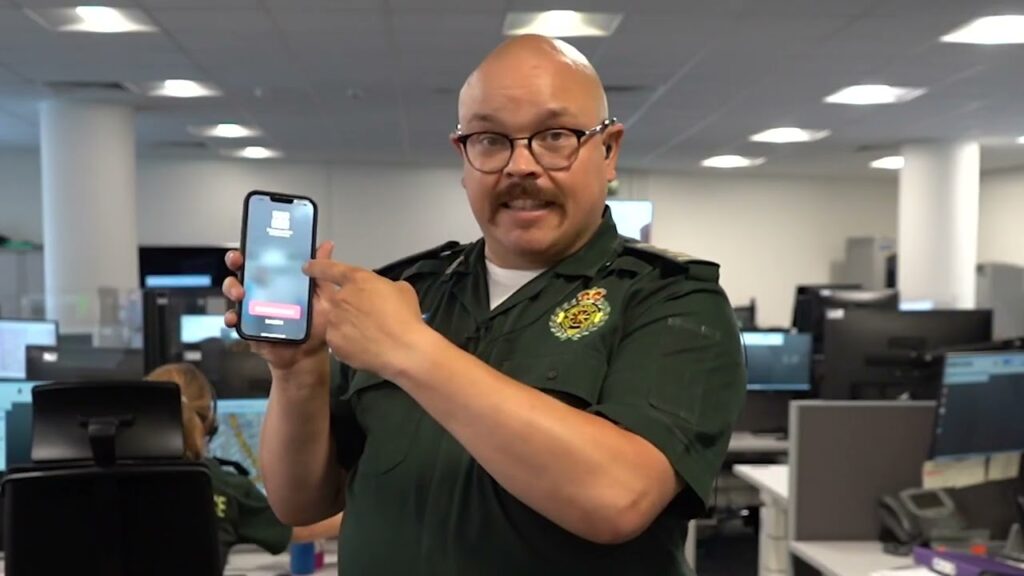
The sign “call for” is commonly used in the UK Deaf community to indicate a request for someone to come over or to signal for assistance. This sign can be used in various contexts, such as calling a friend, asking for help, or summoning someone in a social setting.
How to Sign “Call For”
- Start with your dominant hand in a flat handshape (like a ‘B’ handshape) facing towards you.
- Position your hand at about shoulder height, slightly to the side of your body.
- With your palm still facing you, bend your elbow and move your hand outward from your body, as if you are beckoning someone to come closer.
- As you move your hand, maintain a friendly facial expression and use your eyes to engage the person you are calling.
- Finish with your hand in a relaxed position, allowing it to drop slightly or return to a neutral position.
Common Mistakes
- Some learners mistakenly use a closed fist instead of a flat handshape, which may alter the clarity of the sign.
- Not using facial expressions can make the sign feel less inviting; engaging your face is key to effective communication.
- Forgetting to move the hand outward; some may hold it in place, which can lead to confusion about the intent of the sign.
BSL vs ASL
In BSL, “call for” involves a flat handshape and a specific outward movement, while in ASL, the sign may involve a different handshape or motion. This highlights the distinct differences in grammar and visual representation between the two sign languages.
Related Signs
- 1 – The sign for the number one.
- 10 – The sign for the number ten.
- 100 – The sign for the number one hundred.
- 11 – The sign for the number eleven.
- 12 – The sign for the number twelve.
Frequently Asked Questions
How can I use “call for” in a BSL sentence?
You can use it in sentences like “I call for you” by placing the topic (I) first, followed by the sign for “call for”, and then using the sign for “you”.
Are there regional variations for this sign in the UK?
While the sign is generally consistent, some regions may have slight variations in the movement or handshape, so it’s beneficial to observe local users.
What are some similar signs to “call for”?
Signs like “come here” or “help” have related meanings and can be used in similar contexts.
What tips can help me learn this sign?
Practice in front of a mirror to ensure your handshape and facial expressions are clear. Additionally, observe native signers using the sign in context.
Can I use “call for” in a group setting?
Yes, it’s effective for gathering a group or signaling to multiple people, just ensure your movement is noticeable.
What if I’m not comfortable with the movement?
Start slowly and focus on the handshape; practice until you feel confident with the motion.
Practice ASL Signs
Use your camera to practice signs and get real-time AI feedback on your technique.
Free · No signup required