
BSL Sign for Milk in British Sign Language (BSL)
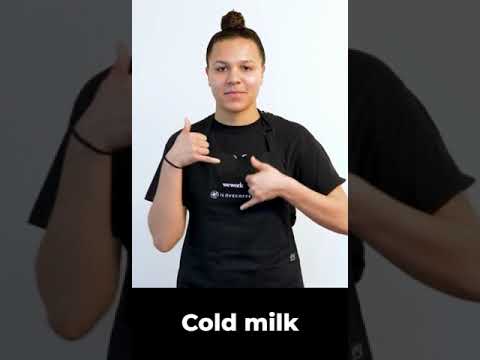
The sign for “milk” in British Sign Language (BSL) represents the drink that is a staple in many households. It is often used in contexts such as asking for a drink, discussing meal preferences, or in educational settings when talking about food and nutrition.
How to Sign “Bsl Sign For Milk” in BSL
- Start with your dominant hand in a fist shape, fingers curled in and thumb wrapped around the outside.
- Position your hand at the side of your mouth, with your palm facing inwards.
- Move your hand downwards slightly, as if mimicking the action of milking a cow. This movement should be gentle and fluid.
- While signing, maintain a relaxed facial expression. You may want to raise your eyebrows slightly to indicate that you are making a statement or asking a question about milk.
Common Mistakes
- Forgetting to use the correct handshape, which can lead to confusion with other signs.
- Not incorporating the non-manual features, such as facial expressions, which can alter the meaning.
- Using an overly exaggerated movement that can distract from the sign’s intent.
BSL vs ASL
In American Sign Language (ASL), the sign for “milk” is performed with a different handshape and movement. While BSL uses a fist and a downward motion, ASL typically uses an open hand with a squeezing motion to represent the action of milking. This highlights the differences in how the two sign languages convey similar concepts.
Related Signs
- Water – The sign for water, often used in similar contexts.
- Juice – Used when discussing other types of drinks.
- Food – A broader term that encompasses all types of sustenance.
- Breakfast – Relevant in discussions about meals that may include milk.
- Tea – Another common beverage in the UK, often discussed alongside milk.
Frequently Asked Questions
How can I use “milk” in a BSL sentence?
You can say “I want milk” by signing “I” (point to yourself), then “want” (hands open and pulling towards you), followed by the sign for “milk.”
Are there regional variations for the sign “milk” in the UK?
The sign is generally consistent across the UK, but some regions may have slight variations in movement or speed.
What are some signs similar to “milk”?
Signs like “water,” “juice,” and “tea” are related, as they all pertain to drinks.
Any tips for learning this sign effectively?
Practice in front of a mirror to ensure your handshape and movement are correct. Watching videos of fluent BSL users can also help.
Can I use the sign for “milk” in different contexts?
Yes, “milk” can be used in various contexts, such as discussing dietary needs or preferences.
Is “milk” signed differently when discussing types of milk?
Generally, the same sign is used for all types of milk, but you might specify by adding context, like “almond milk” or “cow’s milk.”
Practice ASL Signs
Use your camera to practice signs and get real-time AI feedback on your technique.
Free · No signup required