
BSL for Gay in British Sign Language (BSL)
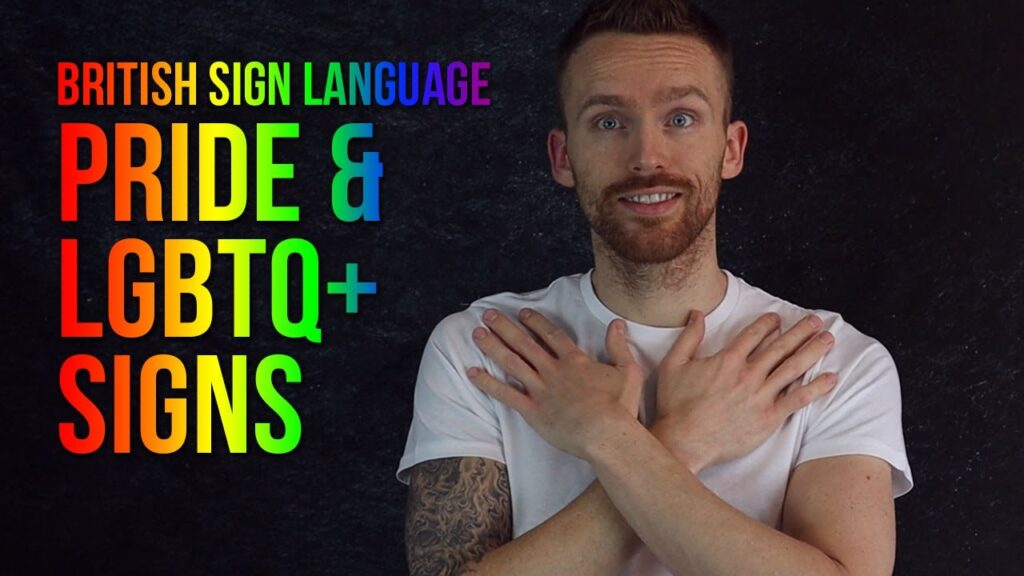
The sign for “gay” in British Sign Language (BSL) is an important term used within the UK Deaf community to describe sexual orientation. It is often used in conversations about identity, relationships, and LGBTQ+ topics, promoting inclusivity and understanding. This sign reflects cultural pride and awareness.
How to Sign “Bsl For Gay” in BSL
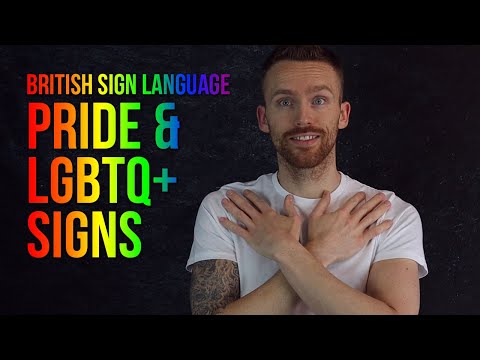
- Start with your dominant hand in a ‘G’ handshape (like a flat ‘5’ but with the thumb and index finger extended).
- Position your hand near your chin, with the palm facing inward towards your face.
- Move your hand away from your face in a slight arc, while maintaining the ‘G’ handshape.
- Facial expression is important; use a neutral or positive expression to convey the meaning clearly.
Common Mistakes
- Forgetting to use the correct handshape; using a flat hand instead of ‘G’ can change the sign’s meaning.
- Not incorporating appropriate facial expressions, which can lead to misunderstanding the sign’s intent.
- Using the wrong placement for the sign; remember it starts near the chin.
BSL vs ASL
In American Sign Language (ASL), the sign for “gay” is quite different and involves a unique handshape and movement. While BSL uses a ‘G’ handshape, ASL may employ different gestures altogether, highlighting the distinctiveness of each sign language.
Related Signs
- (Bsl – A sign referring to the language itself.
- 1 – The sign for the number one, often used in various contexts.
- 10 – The sign for the number ten, useful in counting.
- 100 – The sign for one hundred, commonly used in discussions around money.
- 12 – The sign for the number twelve, relevant in many contexts.
Frequently Asked Questions
How can I use the sign “gay” in a BSL sentence?
You can use the sign in context by incorporating it into a sentence structure. For example, “I am gay” can be signed as “I (point to yourself) GAY.”
Are there regional variations for this sign in the UK?
While the sign is generally consistent across the UK, some local variations may exist in terms of movement or facial expression, so it’s good to observe and adapt to the local Deaf community.
Are there similar signs to “gay” in BSL?
Yes, signs like “lesbian” and “bisexual” are related and can be used in similar contexts when discussing sexual orientation.
What tips do you have for learning this sign?
Practice with a fluent BSL signer to ensure proper handshape and movement. Additionally, pay attention to facial expressions, as they can change the meaning of the sign.
Can I use this sign in formal contexts?
Yes, the sign is appropriate for both casual and formal discussions about sexual orientation, as long as the context is respectful.
Is it important to know the cultural context of this sign?
Absolutely. Understanding the cultural significance of the sign can enhance communication and foster inclusivity within the Deaf community.
Practice ASL Signs
Use your camera to practice signs and get real-time AI feedback on your technique.
Free · No signup required