
Boy in British Sign Language (BSL)
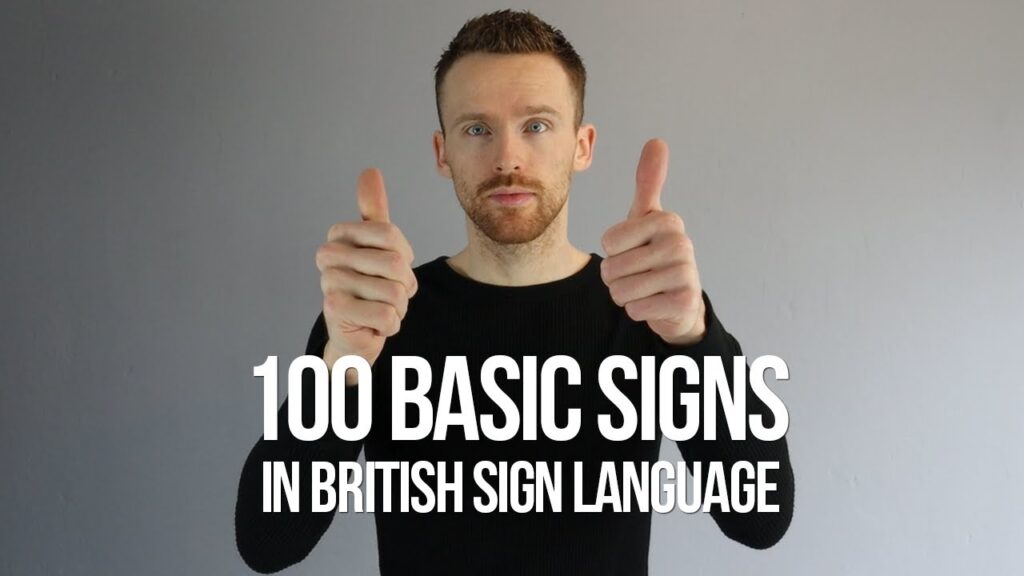
The sign for “boy” in BSL is commonly used in the UK Deaf community to refer to a young male child or adolescent. This sign is often incorporated into conversations about family, friends, or general discussions where age and gender need to be specified. It’s a fundamental sign that learners will come across frequently.
How to Sign “Boy” in BSL

- Start with your dominant hand in a flat ‘B’ shape (the fingers extended together and the thumb held against the palm).
- Position your hand near your forehead, with the palm facing outward.
- Move your hand slightly forward and down away from your forehead, while keeping the handshape steady.
- As you perform this movement, maintain a neutral facial expression or a slight smile to convey a positive tone.
Common Mistakes
- Some learners forget to use the correct handshape, using a fist instead of a flat ‘B’ shape.
- Moving the hand too far away from the forehead can lead to confusion, as the sign may lose its intended meaning.
- Failing to incorporate appropriate facial expressions may make the sign feel less engaging or clear.
BSL vs ASL
In BSL, the sign for “boy” is quite distinct from American Sign Language (ASL). While BSL uses a flat ‘B’ handshape and a specific movement from the forehead, ASL typically uses a different handshape and motion. This highlights the unique grammar and vocabulary of BSL compared to ASL.
Related Signs
- (Bsl) – A sign that represents the concept of BSL itself.
- 1 – The sign for the number one, often used in counting.
- 10 – The sign for the number ten, useful in various contexts.
- 100 – The sign for one hundred, frequently used in discussions about larger quantities.
- 12 – The sign for twelve, another important number in counting and age references.
Frequently Asked Questions
Can “boy” be used in full sentences?
Yes, you can use “boy” in topic-comment structure. For example, “Boy happy” to mean “The boy is happy.”
Are there regional variations for this sign?
The sign for “boy” is generally consistent, but some areas may have subtle variations in movement or facial expressions.
What other signs are similar to “boy”?
Related signs include “girl,” “child,” and age-related signs like “teenager.” Each has its own distinct representation in BSL.
What tips can help me learn this sign?
Practice in front of a mirror and observe native signers. Pay attention to their handshapes and facial expressions to improve accuracy.
Can I use this sign for older males?
This sign specifically refers to young males. For older boys or men, different signs may be more appropriate, such as “man.”
Is facial expression important in BSL?
Absolutely! Facial expressions convey emotions and context, enhancing the meaning of the signs you use.
Practice ASL Signs
Use your camera to practice signs and get real-time AI feedback on your technique.
Free · No signup required