
Baby Sitter in British Sign Language (BSL)
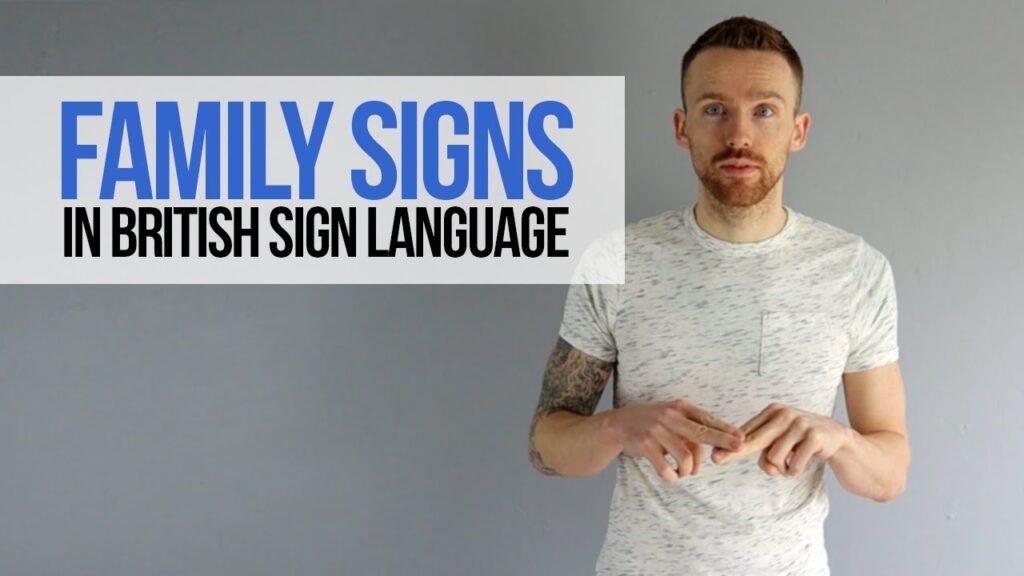
The sign for “baby sitter” in BSL refers to someone who looks after children, usually in the absence of their parents. This sign is commonly used in conversations about childcare, family arrangements, and when discussing plans involving children in the UK Deaf community.
How to Sign “Baby Sitter” in BSL

- Start with your dominant hand in a flat shape, palm facing downwards, representing a baby. This hand should be positioned at about waist height.
- Using your non-dominant hand, create a “C” shape and place it around the dominant hand, as if cradling the baby.
- Gently rock the “C” hand back and forth to show the action of caring for the baby.
- For clarity, maintain an engaging facial expression that conveys warmth and care, as this is an essential aspect of BSL.
- Optionally, you may also sign “SITTER” by using a flat hand to indicate the act of sitting, placing it down in front of you to represent the sitter’s position.
Common Mistakes
- Forgetting to use facial expressions, which are crucial in conveying emotions and context in BSL.
- Not using the correct hand shape for the baby; learners may use a closed fist instead of a flat hand.
- Neglecting the rocking motion, which is important to show the nurturing aspect of babysitting.
BSL vs ASL
In BSL, the sign for “baby sitter” involves the specific handshapes and movements described above, while in ASL, the sign may differ significantly. ASL typically uses a different hand configuration and movement, reflecting its unique grammar and structure.
Related Signs
- Baby – The sign for an infant or very young child.
- Care – To show the action of taking care of someone.
- Child – A sign representing a young person.
- Parent – Referring to a mother or father.
- Family – A sign that encompasses the concept of family members.
Frequently Asked Questions
How can I use “baby sitter” in a BSL sentence?
You could say, “I have a baby sitter,” by signing “I (index finger) HAVE (flat hand) BABY SITTER (the sign described above).” Remember to use appropriate facial expressions to convey your meaning.
Are there regional variations in the sign for “baby sitter”?
While the basic sign generally remains consistent, some regions may have slight variations in movement or hand shape. It’s always good to observe local signing practices.
What are some signs similar to “baby sitter”?
Signs like “child,” “care,” and “parent” are related, as they all relate to family and childcare contexts.
Do you have tips for learning this sign?
Practice in front of a mirror to observe your hand shapes and facial expressions. Watching videos of native signers can also help reinforce correct usage.
Can I use this sign when talking about child care in general?
Yes, this sign can be used broadly in discussions about child care, babysitting, or any context where children are being looked after.
Is the sign for “baby sitter” used in formal contexts?
Yes, you can use it in both informal and formal settings, such as meetings about childcare services or family discussions.
Practice ASL Signs
Use your camera to practice signs and get real-time AI feedback on your technique.
Free · No signup required