
Babe in British Sign Language (BSL)
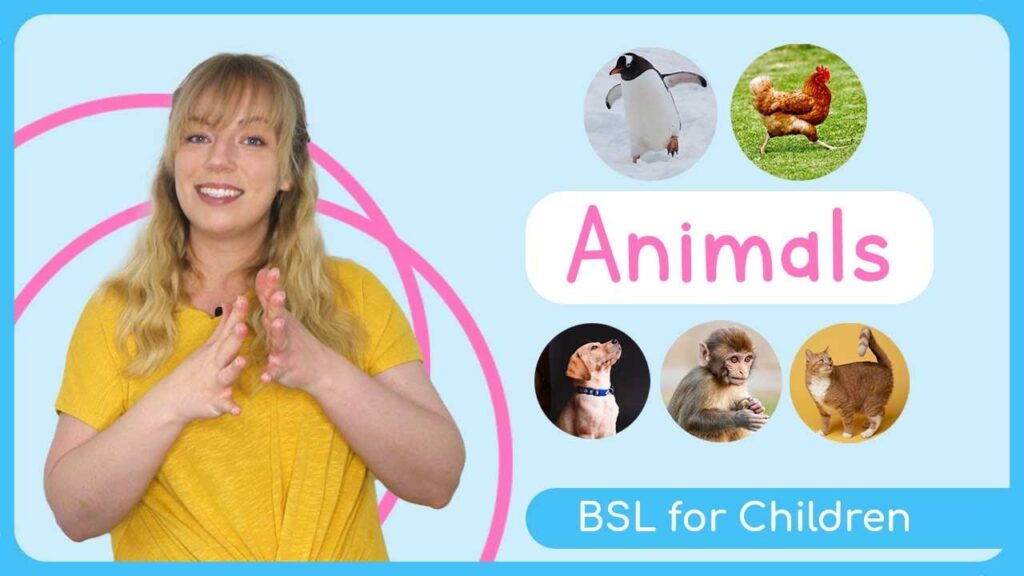
The sign “babe” in BSL refers to a term of endearment for a loved one, often used affectionately in various contexts within the Deaf community. This sign is commonly used in conversations about relationships, friendships, or when expressing fondness toward someone.
How to Sign “Babe” in BSL
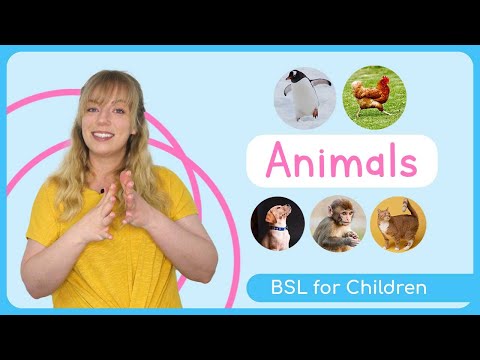
- Start with your dominant hand in a flat “B” shape (the palm facing down).
- Position your hand at chest height, near your heart, to signify affection.
- Move your hand slightly towards your body in a gentle, sweeping motion.
- Maintain a friendly facial expression, showing warmth and love while signing.
Common Mistakes
- Forgetting to use facial expressions can lead to a lack of emotional context.
- Using the wrong handshape; some learners may use a fist instead of the flat “B” handshape.
- Not maintaining the correct height or space; the sign should be made at chest level, not too high or low.
BSL vs ASL
In BSL, the sign for “babe” focuses on the affectionate gesture and facial expressions, while in ASL, the sign may vary in handshape and movement. This highlights the different linguistic structures and cultural nuances between the two sign languages.
Related Signs
- 1 – The sign for “one,” often used in counting.
- 1 Dollar – A sign to indicate a single unit of currency.
- 10 – The sign for “ten,” useful in various counting contexts.
- 100 – Represents the number one hundred in BSL.
- 11 – The sign for “eleven,” commonly used in daily conversation.
Frequently Asked Questions
Can I use “babe” in a sentence?
Yes! For example, you could sign, “MY BABE IS NICE,” using the topic-comment structure: start with “MY BABE” and then add the comment.
Are there regional variations for this sign in the UK?
While the sign is generally consistent across the UK, some regional dialects may have slight variations in facial expressions or hand movements.
What are some similar signs to “babe”?
Signs like “love” or “friend” are related and often used in similar contexts when expressing affection.
What tips do you have for learning this sign?
Practice in front of a mirror to ensure your facial expressions match the emotion you want to convey. Also, watching native BSL users can help refine your technique.
Is “babe” used in formal contexts?
Generally, “babe” is more informal and used in casual conversations among friends or loved ones rather than in formal settings.
How can I incorporate this sign into storytelling?
When storytelling, you can emphasize the sign by using larger movements and more expressive facial features to enhance the narrative.
Practice ASL Signs
Use your camera to practice signs and get real-time AI feedback on your technique.
Free · No signup required