
Ball in British Sign Language (BSL)

The sign for “ball” in BSL represents a round object commonly used in various games and sports, such as football, basketball, and tennis. This sign is frequently used in conversations about sports, playtime with children, or discussing activities that involve balls. It’s a fun and versatile sign that is easily recognized within the UK Deaf community.
How to Sign “Ball” in BSL
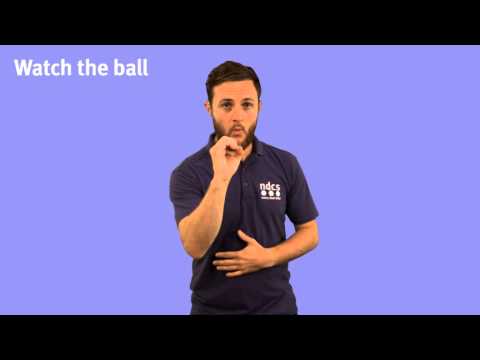
- Start with both hands in front of your body, palms facing each other.
- Create a fist with both hands, keeping your thumbs wrapped around the outside.
- Move your hands in a circular motion, mimicking the rolling movement of a ball.
- As you make the circular motion, slightly bend your knees and lean forward to convey enthusiasm. Your facial expression should be lively, showing enjoyment.
Common Mistakes
- Using flat hands instead of fists can lead to confusion, as it may resemble other signs.
- Not incorporating facial expressions can make the sign feel flat and less engaging.
- Failing to use adequate space; the sign should be performed in front of the body for clarity.
BSL vs ASL
In BSL, the sign for “ball” uses two fists moving in a circular motion, while in ASL, the sign typically involves a single hand shape mimicking the roundness of a ball. This highlights the differences in hand movements and grammar between the two sign languages.
Related Signs
- Football – The sign for the popular sport played with a round ball.
- Basketball – The sign for the sport involving a hoop and a bouncing ball.
- Play – A general sign for engaging in a fun activity, often involving balls.
- Game – A broader sign referring to various sports or competitions.
- Sport – The sign encompassing all types of athletic activities, including those involving balls.
Frequently Asked Questions
How can I use “ball” in a BSL sentence?
You can use “ball” in sentences like “I play football” by signing “I” (point to yourself), then “play” and finally “football” to indicate the activity.
Are there any regional variations for this sign in the UK?
The sign for “ball” is generally consistent across the UK, but slight variations in hand movements may occur based on local dialects.
What other signs are similar to “ball”?
Signs for other sports or objects, such as “football” or “basketball,” are related and often used in similar contexts.
What tips do you have for learning this sign?
Practice in front of a mirror to ensure your hand shapes and movements are clear. Watching videos of fluent signers can also help.
Can I use this sign when talking to hearing people?
Yes, using signs like “ball” can be a fun way to communicate with hearing people, especially in mixed groups or when discussing sports.
Is facial expression important in BSL?
Absolutely! Facial expressions convey emotion and emphasis, so make sure to engage your face while signing.
Practice ASL Signs
Use your camera to practice signs and get real-time AI feedback on your technique.
Free · No signup required