
Yellow Card in Australian Sign Language (Auslan)

The sign for “yellow card in Auslan” is commonly used in contexts related to sports, particularly soccer, to indicate a warning or penalty. It also serves to convey caution in various situations. This sign can help express the idea of being on alert or addressing behavior that needs correction.
Table of Contents
How to Sign “Yellow Card”
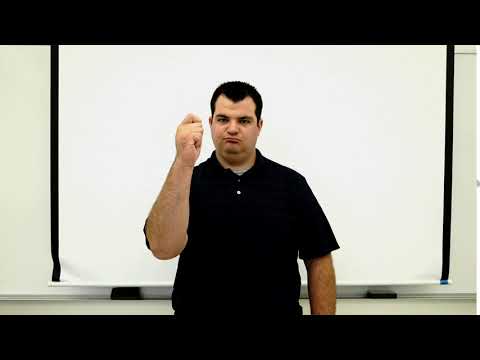
- Start with your dominant hand in a flat handshape, palm facing down.
- Position your hand in front of your body at about chest height.
- Twist your wrist slightly to turn your palm inward as you move your hand horizontally to one side, mimicking the motion of displaying a card.
- Add facial expressions that convey seriousness or caution, as this enhances the meaning of the sign.
Common Mistakes
- Using the wrong handshape, such as a fist instead of a flat hand.
- Not incorporating appropriate facial expressions, which can lead to confusion about the sign’s intent.
- Making the motion too fast or too slow, which can affect clarity and understanding.
Related Signs
- 1 – The sign for the number one.
- 1 Dollar – Indicates one dollar in a simple sign.
- 10 – The sign for the number ten.
- 100 – Represents one hundred in ASL.
- 11 – The sign for eleven.
Using “Yellow Card” in Everyday Conversations
The sign “Yellow Card” can be used in various everyday contexts, especially in sports, education, or discussions about rules and regulations. Here are a few example sentences that illustrate the sign’s usage:
- “Referee show yellow card for foul.” (Referee – show – yellow card – foul)
- “Teacher give yellow card for talking.” (Teacher – give – yellow card – talking)
- “In soccer, yellow card means warning.” (In soccer – yellow card – mean – warning)
These situations might come up naturally during conversations about a recent game, classroom management, or discussions about sportsmanship. Using “Yellow Card” in these contexts reinforces understanding and keeps the conversation engaging.
Cultural Notes
In the Australian Deaf community, the sign “Yellow Card” is often associated with sports, particularly soccer and rugby, where referees issue yellow cards to players as a form of warning. This sign reflects the strong connection the Deaf community has with sports, where visual communication is paramount. Additionally, there may be subtle variations in how the sign is produced based on regional dialects—southern Auslan users might employ a slightly different movement or facial expression compared to northern users. Understanding these nuances can enhance communication and foster a deeper connection within the community.
Tips for Learning This Sign
To effectively learn and remember the sign “Yellow Card,” consider these practical tips:
- Mirror Practice: Stand in front of a mirror and practice the sign. This helps you see your own movements and ensure they match the correct form.
- Observe Non-Manual Features: Pay attention to facial expressions and body language when signing “Yellow Card.” These features add context and meaning to your signing.
- Use in Short Sentences: Incorporate the sign into simple sentences while practicing with a partner or in a group. This contextual practice reinforces memory and helps with fluency.
Engage with the Deaf community through sports or social events to see how “Yellow Card” is used in real-life situations. The more you practice, the more natural it will become!
Frequently Asked Questions
How can I use “yellow card” in a sentence?
You can say, “The referee showed a yellow card for a foul,” using the sign to illustrate the action.
Are there regional variations of this sign?
Some regions may have slight variations in the motion or handshape, so it’s useful to observe local usage.
What are some similar signs to “yellow card”?
Other penalty-related signs include “red card” and “foul,” which are also used in sports contexts.
How does this sign compare to BSL?
In BSL (British Sign Language), the signs for “yellow card” may differ significantly, so it’s important to learn each sign language’s unique signs.
Any tips for teaching this sign?
Use visual aids like pictures of yellow cards and practice in context, such as simulating a soccer game scenario.
Practice This Sign
Try signing Yellow Card In Auslan with your camera and get AI coaching on your handshape, movement, and location.
Free · No signup required