
Yard in Australian Sign Language (Auslan)
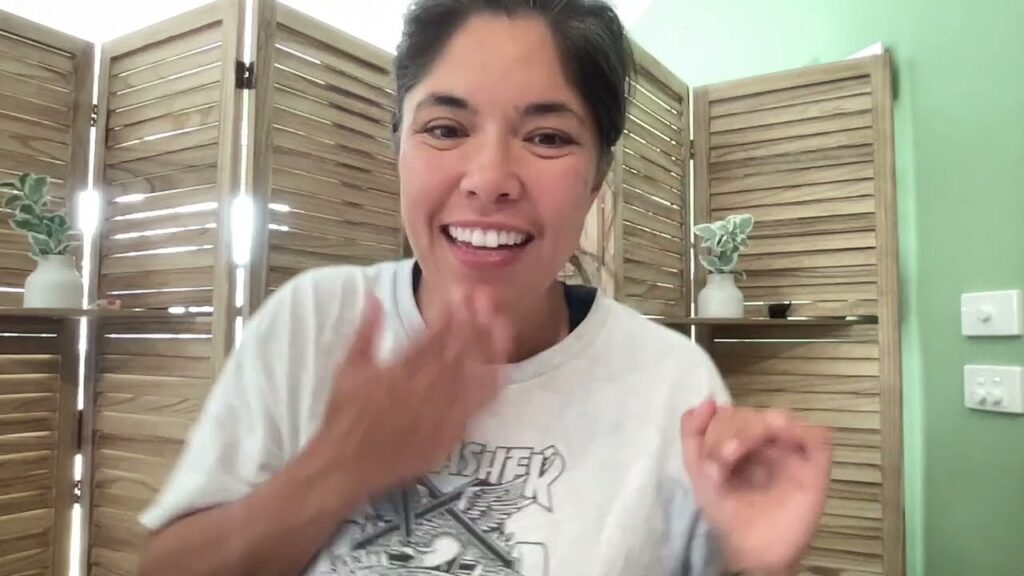
The sign for “yard” in Auslan refers to an outdoor area, typically associated with a house or property. It is commonly used when discussing homes, gardening, or outdoor activities. This sign helps convey a sense of space and environment in conversation.
Table of Contents
How to Sign “Yard”

- Start with your dominant hand in a flat ‘B’ handshape, fingers together and palm facing down.
- Position your hand at waist level, slightly in front of your body.
- Move your hand outward and slightly forward in a gentle, sweeping motion, as if indicating the area of a yard.
- Maintain a relaxed facial expression, as this conveys the casual nature of the sign.
Common Mistakes
One common mistake is using a fist instead of a flat ‘B’ handshape, which can lead to confusion with other signs. Another error is moving the hand too quickly, making it harder for others to understand the gesture. Lastly, not maintaining eye contact can detract from the clarity of communication.
Related Signs
- 1 – The sign for the number one.
- 1 Dollar – The sign for a single dollar bill.
- 10 – The sign for the number ten.
- 100 – The sign for one hundred.
- 11 – The sign for the number eleven.
Using “Yard” in Everyday Conversations
The sign for “yard” can be seamlessly integrated into daily conversations, especially when discussing outdoor spaces or activities. Here are a few example sentences to illustrate its use:
- “I love my yard.” (SIGN: I LOVE YARD)
- “The kids are playing in the yard.” (SIGN: KIDS PLAY YARD)
- “We need to mow the yard this weekend.” (SIGN: WE NEED MOW YARD THIS WEEKEND)
These situations might come up when chatting with friends or family about home improvements, outdoor play, or weekend plans. Using “yard” in context helps to clarify your message and engage your audience effectively.
Cultural Notes
In the Australian Deaf community, the concept of “yard” often evokes a sense of community and connection to nature, especially in suburban settings where many Deaf families reside. The yard serves as a social space for gatherings, family events, and relaxation. It’s common to see Deaf individuals sharing experiences about their yards during conversations, highlighting its importance in their lives.
Dialect variations do exist, particularly in northern and southern Australia. For instance, some northern regions might emphasize the sign with a more pronounced movement due to local signing preferences, while southern areas may use a slightly different handshape. These regional nuances enrich the Auslan language and reflect the diverse experiences within the Deaf community.
Tips for Learning This Sign
Practicing the sign for “yard” can be both fun and effective. Here are some helpful tips to remember and improve your signing:
- Mirror Practice: Stand in front of a mirror and practice the sign. This allows you to see your hand movements and facial expressions, which are essential in Auslan.
- Watch for Non-Manual Features: Pay attention to facial expressions and body language as you sign. These non-manual features enhance meaning and convey emotions related to the sign.
- Use in Short Signed Sentences: Try incorporating “yard” into simple sentences during conversations. This contextual practice helps reinforce your memory and builds confidence in your signing skills.
Regular practice will make the sign more familiar and easier to recall in everyday conversations!
Frequently Asked Questions
Can you use “yard” in a sentence?
Yes! For example, you can say, “I love spending time in the yard,” which can be signed as “I” (point to yourself) “LOVE” (cross your arms over your chest) “YARD” (use the sign described).
Are there regional variations for this sign?
Yes, some regions may have slight variations in handshape or movement, so it’s useful to observe local Deaf communities.
Are there similar signs to “yard”?
Yes, signs like “garden” or “park” may have related meanings, but they differ in handshape or movement.
How does this sign compare to BSL?
In BSL, the sign for “yard” may look different, emphasizing regional differences between Auslan and BSL.
What are some teaching tips for this sign?
Encourage students to practice in pairs, using the sign in context to reinforce understanding and promote confidence.
Practice This Sign
Try signing Yard In Auslan with your camera and get AI coaching on your handshape, movement, and location.
Free · No signup required