
Yobbo in Australian Sign Language (Auslan)

The sign for “yobbo” in Auslan refers to a person who is considered unsophisticated or uncultured, often used in a lighthearted or teasing manner. This term is commonly used in casual conversations among friends and can reflect a playful critique of someone’s behavior or attitude.
Table of Contents
How to Sign “Yobbo”
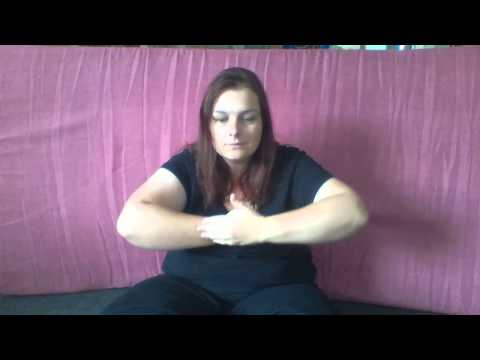
- Start with your dominant hand in a “Y” handshape. This means extending your pinky and thumb while keeping your other fingers tucked in.
- Position your hand near the side of your forehead, with your palm facing forward.
- Move your hand away from your forehead in a slight outward arc while shaking it gently side to side.
- Maintain a playful facial expression, as this sign carries a humorous tone.
Common Mistakes
- Forgetting to use facial expressions; these are crucial for conveying the playful nature of the sign.
- Incorrect handshape; ensure you are using the “Y” handshape throughout the sign.
- Moving the hand too quickly or too slowly; aim for a smooth, fluid motion to enhance clarity.
Related Signs
- 1 – The number one sign in ASL.
- 1 Dollar – Sign for one dollar currency.
- 10 – The sign for the number ten.
- 100 – Represents one hundred in ASL.
- 11 – The sign for eleven.
Using “Yobbo” in Everyday Conversations
The sign “Yobbo” is often used in informal conversations among friends and family, particularly in contexts where playful teasing or light-hearted banter occurs. Here are some example sentences that illustrate how to incorporate “Yobbo” into your dialogue:
- Friend 1: “Did you see Mark at the party last night? He was acting like a total yobbo!”
- Friend 2: “Yeah, I can’t believe he thought he was the best dancer! Classic yobbo behaviour.”
- Group Chat: “Anyone want to join us at the footy? Don’t be a yobbo and miss out!”
In these situations, “Yobbo” serves as a humorous descriptor, allowing speakers to bond over shared experiences and cultural references.
Cultural Notes
In the Australian Deaf community, the term “yobbo” resonates with a sense of cultural identity and camaraderie. It embodies characteristics often associated with casual, fun-loving Australians who enjoy a good laugh. This sign may vary slightly in its execution between different regions. For instance, in northern Australia, the facial expressions accompanying the sign may be more exaggerated, reflecting the vibrant and expressive communication style common in that area. Conversely, southern dialects may incorporate subtler facial cues, focusing more on the sign’s execution itself. Understanding these regional nuances can enhance your connection with the Deaf community and improve your signing skills.
Tips for Learning This Sign
Practicing the sign “Yobbo” can be both fun and effective with a few creative techniques:
- Mirror Practice: Stand in front of a mirror and practice the sign. This helps you refine your handshape and movement while observing your facial expressions.
- Watch for Non-Manual Features: Pay attention to your facial expressions when signing “Yobbo.” A playful or cheeky expression can convey the intended meaning more effectively.
- Use in Short Sentences: Incorporate “Yobbo” in everyday conversations, even if you’re speaking with hearing friends. This practice reinforces your memory and helps you become comfortable with the sign.
By engaging in these practices, you’ll find it easier to remember and use “Yobbo” naturally in conversation.
Frequently Asked Questions
How can I use “yobbo” in a sentence?
You can say, “He’s such a yobbo at the party last night,” while signing the word to convey a lighthearted critique.
Are there regional variations for this sign?
While the sign remains fairly consistent, some regions may have slight variations in movement or facial expressions, so it’s good to watch local signers.
What are some signs similar to “yobbo”?
Signs like “silly” or “fool” can convey similar lighthearted meanings but may carry different nuances.
How does “yobbo” compare to signs in BSL?
British Sign Language may have a different sign for “yobbo,” so it’s best to learn from native BSL signers for accuracy.
Any teaching tips for this sign?
Practice the sign in a group setting to get feedback on your facial expressions and hand movements, which can enhance understanding.
Practice This Sign
Try signing Yobbo In Auslan with your camera and get AI coaching on your handshape, movement, and location.
Free · No signup required