
Wall Painting in Australian Sign Language (Auslan)

The sign for “wall painting” in Auslan refers to the artwork created on a wall, often seen in homes, galleries, or public spaces. This sign is used when discussing art, decoration, or expressing opinions about wall art. It can be a great way to share interests in creativity and aesthetics within the Deaf community.
Table of Contents
How to Sign “Wall Painting In Auslan”
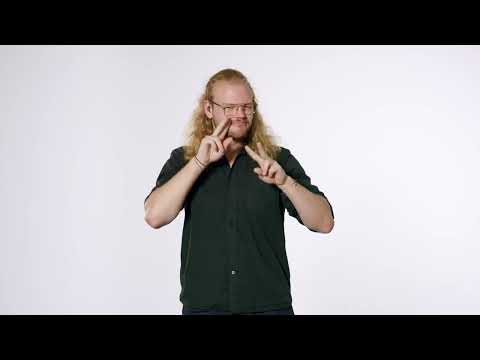
- Start with your dominant hand in a flat shape, fingers together.
- Position your hand vertically in front of you, with the palm facing outward.
- Move your hand slightly from side to side to represent the wall.
- Next, use your non-dominant hand to create a “painting” action. This can involve making a fist and moving it as if you are painting on the wall.
- Facial expressions should convey your engagement with the artwork; a smile can indicate appreciation, while a frown might show disapproval.
Common Mistakes
- Some learners may forget to include the wall motion and only focus on the painting gesture.
- Another common error is to use too much movement, making the sign unclear.
- Facial expressions may be overlooked, which are essential for conveying feelings about the painting.
Related Signs
- 1 – The sign for the number one.
- 1 Dollar – Sign indicating one dollar.
- 10 – The sign for the number ten.
- 100 – The sign for the number one hundred.
- 12 – The sign for the number twelve.
Using “Wall Painting” in Everyday Conversations
In everyday conversations, the sign “Wall Painting” can be seamlessly integrated into various discussions, particularly those related to art, home decor, or community projects. Here are a few example sentences illustrating how to use this sign:
- My friend is a talented artist. She just finished a wall painting in her living room. (SIGN: “My friend” + “TALENTED” + “ARTIST” + “WALL PAINTING” + “FINISHED” + “HIS/HER LIVING ROOM.)
- We visited a local gallery that features Indigenous wall paintings. (SIGN: “WE” + “VISITED” + “LOCAL GALLERY” + “FEATURES” + “INDIGENOUS” + “WALL PAINTING.”)
- I want to learn how to create a wall painting for my classroom. (SIGN: “I” + “WANT” + “LEARN” + “HOW” + “CREATE” + “WALL PAINTING” + “FOR” + “MY CLASSROOM.”)
These contexts highlight the versatility of the sign, making it a valuable addition to your Auslan vocabulary.
Cultural Notes
The sign “Wall Painting” holds significant cultural relevance within the Australian Deaf community, especially in relation to the appreciation of visual art and the unique perspective of Deaf artists. In many cases, wall paintings serve as a medium for storytelling, cultural expression, and community identity. It’s important to be aware of the contributions of Indigenous Deaf artists who infuse their cultural heritage into their work, creating wall paintings that reflect their experiences and values.
As with many signs in Auslan, dialect variations may exist. In northern Australia, signs may be more influenced by local Indigenous styles, while southern regions might have different artistic expressions reflected in their wall paintings. Understanding these nuances can enrich your appreciation of the sign and the cultural contexts surrounding it.
Tips for Learning This Sign
To effectively practice and remember the sign “Wall Painting,” consider these practical tips:
- Mirror Practice: Use a mirror to watch your hand movements and facial expressions while signing. This helps you refine your technique and ensures you are using the correct non-manual features.
- Observe Non-Manual Features: Pay attention to facial expressions and body language while practicing. These features are crucial in Auslan and can dramatically change the meaning of your signs.
- Incorporate into Short Sentences: Regularly use “Wall Painting” in short, relevant sentences during your practice sessions. This will help reinforce your memory and increase your comfort with using the sign in conversation.
By incorporating these techniques, you can enhance your understanding and fluency in Auslan, making your communication more effective and engaging.
Frequently Asked Questions
How can I use “wall painting” in a sentence?
You might say, “I like the wall painting in this room,” by signing the phrase with the corresponding signs for each word.
Are there regional variations for this sign?
Yes, some regions may have slight variations in the handshape or movement, so it’s beneficial to learn from local Deaf community members.
Are there similar signs in Auslan?
Yes, signs for related concepts like “art” or “mural” exist and can be useful in conversations about creative works.
How does this sign compare to BSL?
British Sign Language (BSL) has its own unique signs, and although they may convey similar meanings, the signs themselves can look quite different.
What are some teaching tips for this sign?
Encourage students to practice in front of mirrors to refine their movements and facial expressions, and to engage with Deaf artists for real-life context.
Practice This Sign
Try signing Wall Painting In Auslan with your camera and get AI coaching on your handshape, movement, and location.
Free · No signup required