
Walk in Australian Sign Language (Auslan)
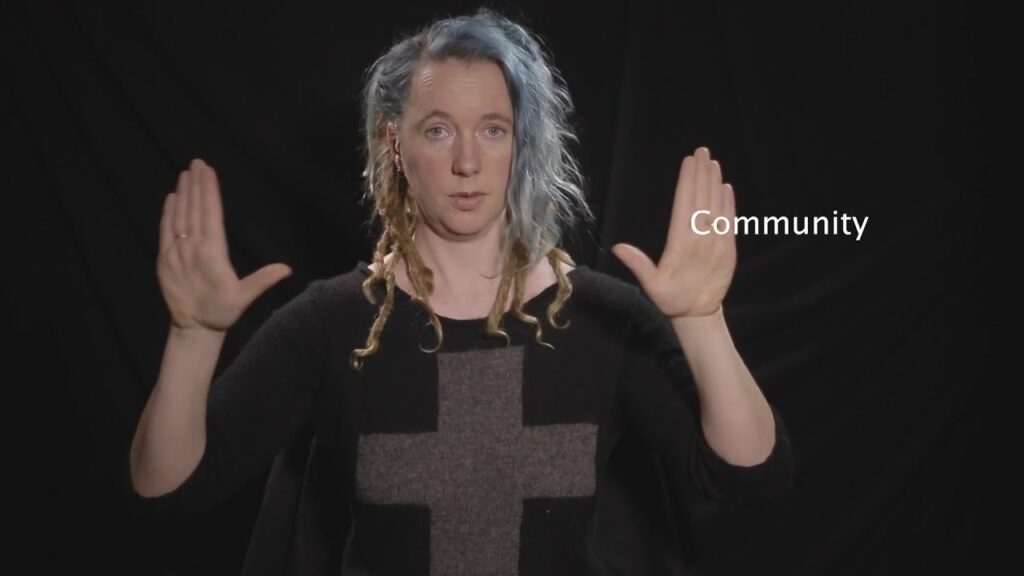
The sign for “walk” in Auslan represents the action of walking and is commonly used in everyday conversations, whether discussing going for a stroll, describing someone’s movement, or giving directions. This sign is integral to expressing mobility and activity in the Deaf community.
Table of Contents
How to Sign “Walk”
- Start with both hands in front of you, fingers extended and together, resembling a “flat” handshape.
- Position your hands at about waist height, palms facing down.
- Move your hands alternately forward, mimicking the motion of walking. The right hand moves forward followed by the left, and then repeat.
- Maintain a relaxed and natural facial expression, as this adds to the clarity of the sign.
Common Mistakes
One common error is using both hands to move in sync rather than alternating, which may confuse the sign for walking with something else. Another mistake is holding the hands too high or too low, which can make the sign less clear. Lastly, a stiff facial expression can detract from the sign’s meaning, as facial expressions are important in Auslan for conveying emotions and context.
Related Signs
- 1 – The sign for the number one.
- 10 – The sign for the number ten.
- 100 – The sign for the number one hundred.
- 11 – The sign for the number eleven.
- 12 – The sign for the number twelve.
Using “Walk” in Everyday Conversations
The sign for “Walk” is commonly used in various everyday conversations within the Deaf community. Here are some example sentences that illustrate its use:
- “I walk to the park every day.” — This might come up during a casual chat about daily routines or activities.
- “Do you want to walk with me to the café?” — This can be used when inviting someone to accompany you somewhere.
- “He walks fast!” — This could arise in a discussion about someone’s pace or habits.
These examples show how “Walk” can fit naturally into conversations about movement, plans, and observations, making it a versatile sign to incorporate into your vocabulary.
Cultural Notes
In the Australian Deaf community, the concept of walking is not just about physical movement; it often embodies a sense of connection and community engagement. Walking can symbolize freedom, independence, and the ability to navigate one’s environment—both physically and socially. Additionally, there can be slight dialect variations in how “Walk” is signed between regions, such as northern and southern Australia. While the core sign remains the same, some local nuances may be observed in the speed or fluidity of the movement, reflecting the diverse ways Deaf Australians communicate.
Tips for Learning This Sign
Practicing the sign for “Walk” can be both fun and effective. Here are some tips to help you remember and use it confidently:
- Mirror Practice: Stand in front of a mirror and practice the sign while watching your movements. This will help you refine your technique and ensure your hand shape and movements are accurate.
- Observe Non-Manual Features: Pay attention to facial expressions and body language when signing. These non-manual features can enhance the meaning of “Walk” and help convey your message more clearly.
- Use in Short Sentences: Incorporate “Walk” into simple sentences or phrases. For instance, practice signing, “I walk” followed by gestures indicating where you’re walking to, or who you’re walking with.
Integrating these practices into your learning routine will help solidify your understanding and usage of the sign “Walk” in Auslan.
Frequently Asked Questions
How can I use “walk” in a sentence?
You can use it in sentences like “I walk to school” or “The dog walks in the park.”
Are there regional variations for this sign?
What are some similar signs?
Similar signs include “run,” which has a faster movement, and “jog,” which has a similar handshape but is executed with a different pace.
How does this compare to BSL (British Sign Language)?
In BSL, the sign for “walk” may look different, as each sign language has its own distinct signs and grammar.
What tips do you have for teaching this sign?
Encourage learners to practice with a partner, focusing on the rhythm of the hand movements and the accompanying facial expressions to enhance clarity.
Practice This Sign
Try signing Walk In Auslan with your camera and get AI coaching on your handshape, movement, and location.
Free · No signup required