
Valuation in Australian Sign Language (Auslan)
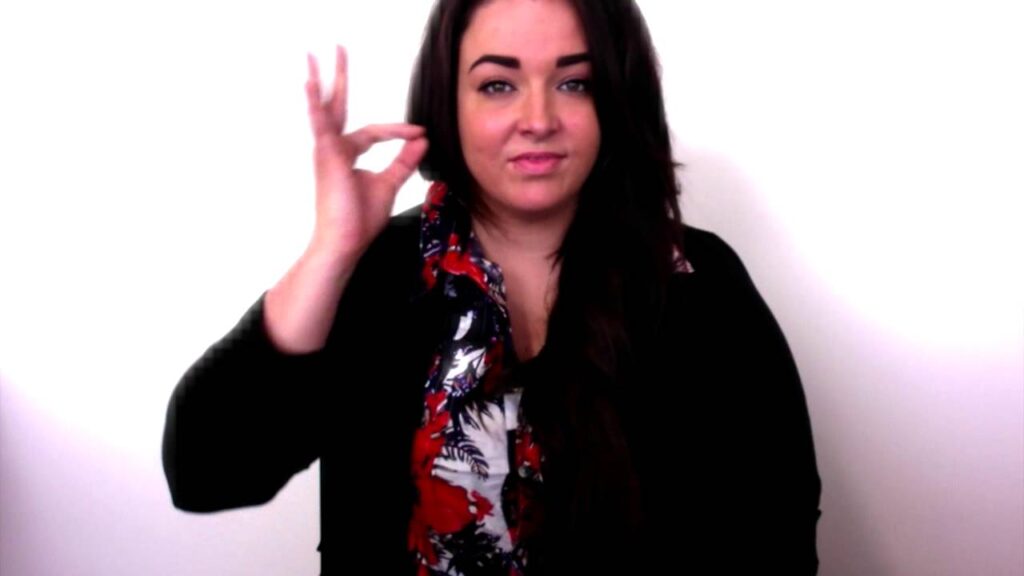
The sign “valuation in Auslan” refers to the assessment or estimation of worth, often used in contexts of finance, property, or personal items. It’s a useful sign in discussions about money, investments, and appraisals. Understanding how to express this concept can enhance communication in both casual and formal settings.
Table of Contents
How to Sign “Valuation”
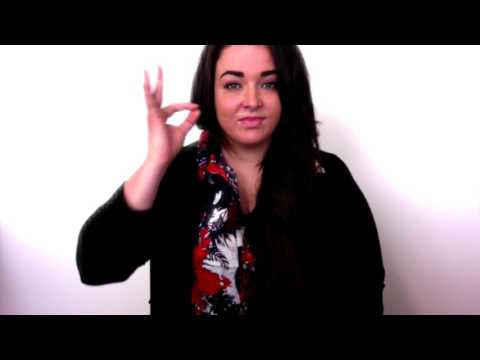
- Start with your dominant hand in a flat handshape (like a “B” handshape) facing downward.
- Position your hand at about chest height, slightly to the side of your body.
- Move your hand in a small circular motion, as if you’re measuring or assessing something.
- Maintain a neutral facial expression, but focus on the motion to convey the idea of evaluation.
Common Mistakes
- Some learners may confuse this sign with similar signs related to “money” or “price,” leading to miscommunication.
- Forgetting to use the appropriate facial expressions can make the sign less clear.
- Using the wrong handshape; ensure your hand is flat and not in a fist or another shape.
Related Signs
- 1 – The sign for the number one, often used in financial contexts.
- 1 Dollar – A sign specifically indicating a single dollar amount.
- 100 – The sign for one hundred, useful in valuation discussions.
- 10 – Representing the number ten, relevant in financial counting.
- 11 – The sign for eleven, which may come up in numerical discussions.
Using “Valuation” in Everyday Conversations
The sign “Valuation” can be seamlessly integrated into various conversations, especially when discussing finances, property, or personal belongings. Here are some example sentences:
- “I want to get a valuation on my house before selling.” (My house valuation want get.)
- “The valuation of that artwork surprised me.” (That artwork valuation me surprise.)
- “Can you help me with the valuation of these antiques?” (You help me antiques valuation?)
These sentences may come up in discussions with friends about buying or selling property, during meetings with financial advisors, or even when chatting about collectibles with fellow enthusiasts. Using “Valuation” in these contexts helps convey specific financial information effectively.
Cultural Notes
The concept of valuation is not only relevant in financial terms but also holds cultural significance within the Australian Deaf community. Valuation discussions often reflect a broader appreciation for the arts and crafts prevalent among Deaf artists and creators. Many Deaf individuals engage in creative pursuits, and valuing their work can foster a sense of pride and recognition.
Dialect variations can also emerge, particularly between northern and southern Deaf communities. For instance, while the sign for “Valuation” remains consistent, the accompanying facial expressions and non-manual features may vary slightly. Engaging with local Deaf communities can enhance your understanding of these nuances, making your signing more authentic and culturally relevant.
Tips for Learning This Sign
Practicing the sign “Valuation” effectively requires a combination of visual and contextual learning. Here are some tips:
- Mirror Practice: Stand in front of a mirror and practice the sign while watching your own movements. This helps ensure your hand shape and placement are correct.
- Observe Non-Manual Features: Pay attention to facial expressions and body language that accompany the sign. These features can add depth to your communication.
- Incorporate into Sentences: Use “Valuation” in simple, short signed sentences during your practice sessions. The more you use it in context, the easier it will become to remember.
By actively engaging with the sign in meaningful contexts, you will reinforce your learning and boost your confidence in using it during conversations.
Frequently Asked Questions
How can I use “valuation” in a sentence?
You can say, “The valuation of this property is very high,” while using the sign for valuation to emphasize your point.
Are there regional variations of this sign?
Some regions may have slight variations in the handshape or movement, so it’s good to learn from local signers.
What are some similar signs?
Signs like “price” and “cost” are related and can be used in similar contexts, but they have distinct meanings.
How does this sign compare to BSL?
In British Sign Language (BSL), the signs for valuation may differ significantly, reflecting the unique characteristics of each language.
Any teaching tips for this sign?
Practice in front of a mirror to ensure your handshape and movement are correct. Pair it with facial expressions to convey meaning.
Practice This Sign
Try signing Valuation In Auslan with your camera and get AI coaching on your handshape, movement, and location.
Free · No signup required