
Near East in Australian Sign Language (Auslan)
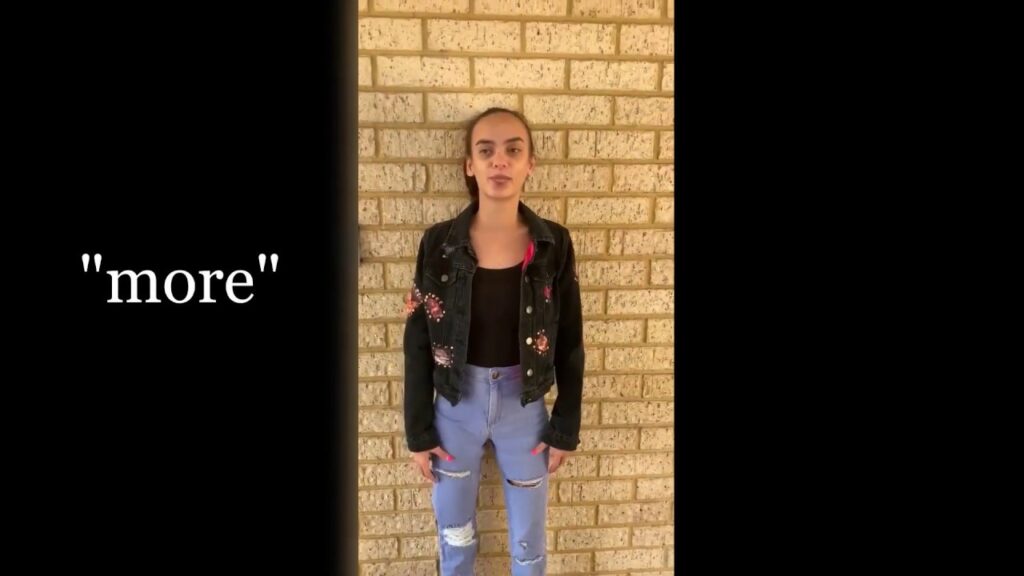
The sign for “near east” in Auslan is commonly used to describe the geographical region that encompasses countries in the eastern part of the Mediterranean, often relating to cultural, political, or economic discussions. It’s a valuable sign for conversations about travel, geography, and international relations.
Table of Contents
How to Sign “Near East In Auslan”
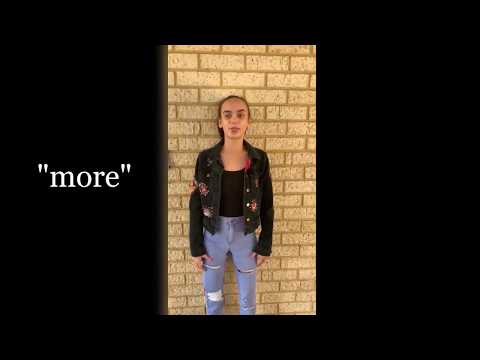
- Start with your dominant hand in the shape of the letter “N”.
- Position your hand near your forehead, with your palm facing outward.
- Move your hand slightly forward and to the side, maintaining the “N” handshape.
- As you move your hand, use an expression that indicates you are discussing a specific region or area.
Common Mistakes
- Many learners confuse the handshape; ensure you are using the correct “N” shape.
- Some forget to include the facial expression, which is crucial for conveying meaning in Auslan.
- Improper movement can lead to confusion; make sure your motion is clear and deliberate.
Related Signs
- 1 – The sign for the number one.
- 1 Dollar – The sign for one dollar, often used in financial discussions.
- 10 – The sign for the number ten.
- 100 – The sign for one hundred, useful in various contexts.
- 11 – The sign for eleven, another number often used in conversation.
Using “Near East” in Everyday Conversations
The sign “Near East” can easily fit into various everyday conversations, especially when discussing geography, travel, or cultural topics. Here are a few example sentences that illustrate its use:
- “I want to travel to Near East next year.”
- “My friend is studying history of Near East.”
- “Have you tried the food from Near East? It’s delicious!”
These examples might come up naturally in discussions about travel plans, academic interests, or culinary experiences. By incorporating the sign in relevant contexts, you can enhance your communication while also expanding your vocabulary.
Cultural Notes
The sign “Near East” holds significance in the Australian Deaf community, as it reflects not only geographical knowledge but also cultural awareness. In many conversations, it is often linked to discussions about the rich histories and diverse cultures found in that region. Understanding the cultural context can deepen your connection to the sign.
While Auslan is largely consistent across Australia, some regional dialect variations may exist, particularly in how certain signs are articulated. However, “Near East” is generally recognized nationwide without substantial differences. Engaging with local Deaf communities can provide insights into these nuances and enhance your understanding of the sign’s usage.
Tips for Learning This Sign
Practicing the sign “Near East” can be made easier with a few effective strategies:
- Mirror Practice: Use a mirror to observe your signing. This will help you ensure that your handshape and movement are accurate.
- Watch for Non-Manual Features: Pay attention to facial expressions and body language when signing. These non-manual features can convey additional meaning and context.
- Use in Short Signed Sentences: Incorporate “Near East” into brief sentences to reinforce your understanding and memory. For example, sign “I love Near East culture” or “Near East is interesting.”
Regular practice, combined with these methods, can help solidify your skills and confidence in using the sign “Near East” effectively in conversation.
Frequently Asked Questions
How can I use “near east” in a sentence?
You might say, “I am planning to travel to the near east this summer,” using the sign to specify the region.
Are there regional variations for this sign?
Yes, some regions may have slight variations in handshape or movement, so it’s good to learn from native users in your area.
What are some similar signs?
Signs like “west” or “south” are related, as they also describe geographical directions. Each has its own unique sign.
How does this sign compare to BSL?
While Auslan and BSL share some signs, “near east” may differ in execution. It’s best to check with BSL resources for accuracy.
What tips do you have for teaching this sign?
Practice in context by discussing regions or sharing travel experiences, reinforcing the sign with visuals or maps to enhance understanding.
Practice This Sign
Try signing Near East In Auslan with your camera and get AI coaching on your handshape, movement, and location.
Free · No signup required