
Vaporisation in Australian Sign Language (Auslan)

The sign for “vaporisation” in Auslan refers to the process of turning a substance into vapor. This sign can be used in various contexts, such as discussing cooking techniques, science experiments, or even environmental topics. It’s a useful term when talking about changes in states of matter.
Table of Contents
How to Sign “Vaporisation”
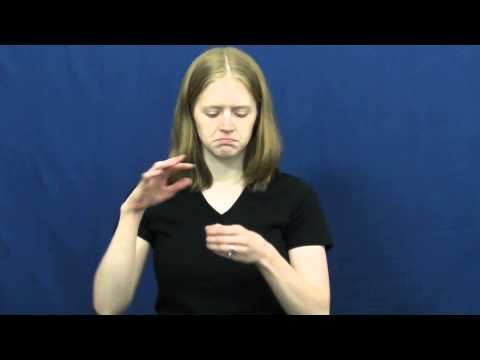
- Start with your dominant hand in a flat handshape (like a “B” handshape) with your palm facing down.
- Position your hand a few inches above your non-dominant hand, which should also be in a flat handshape, palm facing up.
- Move your dominant hand in a slight upward motion, as if releasing vapor or steam from your palm.
- As you move your hand upward, gently wiggle your fingers to represent the dispersing vapor.
- Maintain a neutral facial expression or add a slight smile to convey the concept of transformation, depending on the context.
Common Mistakes
- Some learners may forget to wiggle their fingers, which is key to representing the vapor effectively.
- Others might position their hands too close together, losing the visual effect of vapor rising.
- Not using facial expressions can lead to a lack of clarity in conveying the meaning of the sign.
Related Signs
- 1 – The sign for the number one, useful in numerical contexts.
- 1 Dollar – Represents the currency, helpful in financial discussions.
- 10 – The sign for ten, used in counting and lists.
- 100 – Indicates one hundred, important for larger quantities.
- 16 – The sign for sixteen, often used in age or counting scenarios.
Using “Vaporisation” in Everyday Conversations
The sign for “Vaporisation” can be seamlessly integrated into various conversations, particularly in scientific discussions or when talking about cooking techniques. Here are a few example sentences that illustrate its usage:
- “MY COOKING BOOK HAVE RECIPE VAPORISATION VEGETABLES.”
(I have a recipe for vaporising vegetables in my cooking book.) - “SCIENCE CLASS TEACHER EXPLAIN VAPORISATION WATER.”
(The science teacher explained the vaporisation of water.) - “I LIKE VAPORISATION METHOD FOR COOKING FISH.”
(I like the vaporisation method for cooking fish.)
These examples show how the sign can be used naturally in conversations about cooking methods or scientific principles, making it a versatile addition to your Auslan vocabulary.
Cultural Notes
The concept of “Vaporisation” holds significance in the Australian Deaf community, especially in educational settings where science and technology are discussed. The use of this sign reflects the interest in modern cooking techniques and scientific principles among Deaf Australians. In some areas, you may find slight variations in how the sign is produced, particularly between northern and southern dialects. For example, some signers in the north might use a more exaggerated movement when signing “Vaporisation,” while those in the south might utilize a subtler approach. Regardless of these differences, the core meaning remains the same, showcasing the rich diversity in Auslan.
Tips for Learning This Sign
To effectively learn and remember the sign for “Vaporisation,” consider these practical tips:
- Mirror Practice: Stand in front of a mirror while practicing the sign. This allows you to observe your movements and make adjustments to ensure accuracy.
- Focus on Non-Manual Features: Pay attention to facial expressions and body language when signing. These non-manual features can enhance the meaning and clarity of your sign.
- Use in Short Signed Sentences: Try incorporating “Vaporisation” into your simple daily conversations. For example, talk about your cooking experiences or recent science lessons to reinforce your learning.
Regular practice with these techniques can help solidify your understanding and use of the sign for “Vaporisation” in Auslan.
Frequently Asked Questions
How can I use “vaporisation” in a sentence?
You can say, “The water undergoes vaporisation when heated,” and sign it by demonstrating the process as you describe it.
Are there regional variations for this sign?
Are there similar signs that I should know?
Yes, signs like “steam” and “evaporation” are related and can be useful in scientific discussions.
How does this sign compare with BSL?
While the concept is similar, the hand shapes and movements may differ in British Sign Language (BSL). It’s beneficial to learn both if you communicate with diverse signers.
What tips do you have for teaching this sign?
Use visual aids and demonstrations to show the process of vaporisation. Encourage learners to practice in pairs to refine their movements.
Practice This Sign
Try signing Vaporisation In Auslan with your camera and get AI coaching on your handshape, movement, and location.
Free · No signup required