
Unexpectedly in Australian Sign Language (Auslan)
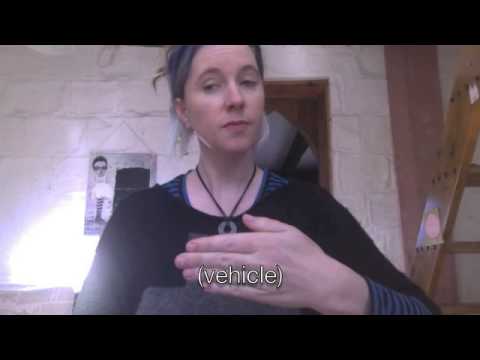
The sign for “unexpectedly” in Auslan conveys the idea of something happening suddenly or without warning. It’s often used in storytelling, conversations about surprises, or when sharing unexpected news. This sign can help express emotions related to sudden changes or unanticipated events.
Table of Contents
How to Sign “Unexpectedly”
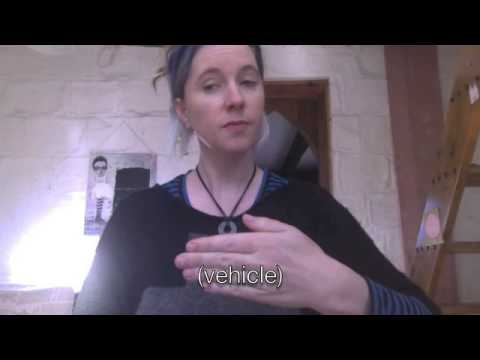
- Start with both hands in front of your chest, fingers pointing upwards. Your hands should be in a relaxed open position.
- Quickly move your hands outward, away from your body, while keeping them at shoulder height.
- As you move your hands, slightly bend your elbows to give a sense of motion.
- Use a facial expression that reflects surprise or shock to enhance the meaning of the sign.
Common Mistakes
- Many learners forget to use appropriate facial expressions, which are crucial for conveying the meaning of the sign.
- Some may move their hands too slowly, making the sign feel less spontaneous and more deliberate.
- Using incorrect hand shapes, such as closed fists instead of open hands, can lead to confusion.
Related Signs
- 1 – Represents the number one, useful in counting contexts.
- 10 – The sign for the number ten, often used in various counting scenarios.
- 100 – Indicates the number one hundred, helpful in discussions involving larger quantities.
- 11 – The sign for eleven, commonly used during counting or listing.
- 12 – Represents the number twelve, useful in educational settings.
Using “Unexpectedly” in Everyday Conversations
The sign “Unexpectedly” is often used in various everyday conversations, particularly when recounting surprising events or reactions. Here are a few examples:
- Example 1: “I was walking home, and unexpectedly, it started to rain.” (Sign: WALK HOME, UNEXPECTEDLY, RAIN START)
- Example 2: “She unexpectedly won the competition!” (Sign: SHE, UNEXPECTEDLY, WIN COMPETITION)
- Example 3: “He unexpectedly called me after years.” (Sign: HE, UNEXPECTEDLY, CALL ME, YEARS)
These situations highlight how the sign can be integrated into storytelling or sharing experiences, making conversations more vivid and engaging.
Cultural Notes
In the Australian Deaf community, the concept of “unexpectedly” resonates with the values of surprise and spontaneity, often linked to storytelling and sharing personal experiences. The use of this sign can reflect the community’s appreciation for unexpected moments, which can bring joy or excitement. Additionally, there may be some slight variations in the sign’s execution between northern and southern dialects. While the core sign remains consistent, regional differences might be evident in the facial expressions or intensity of the movement.
Tips for Learning This Sign
Practicing the sign “Unexpectedly” can be made easier with a few helpful techniques:
- Mirror Practice: Use a mirror to observe your handshape and movements. This can help you refine your technique and ensure that your signing is clear and expressive.
- Watch for Non-Manual Features: Pay attention to facial expressions and body language when signing. The non-manual features enhance the meaning of “unexpectedly” and convey the emotion behind the sign.
- Use It in Short Signed Sentences: Incorporate “unexpectedly” into simple sentences during practice. This will help you remember the sign in context and improve your fluency. For example, try signing, “I unexpectedly found a $20 note!”
These strategies will make your learning process enjoyable and effective, helping you to use “unexpectedly” naturally in conversations.
Frequently Asked Questions
Can you use “unexpectedly” in a sentence?
Yes! You might say, “I found out unexpectedly that my friend was visiting.”
Are there regional variations of this sign?
While the core sign remains consistent, some regions may have slight variations in movement or facial expressions.
What signs are similar to “unexpectedly”?
Signs like “surprise” and “shock” convey similar feelings but may have different hand movements.
How does this sign compare with BSL?
In BSL, the sign for “unexpected” may differ in hand shape and movement, but the concept remains the same.
What tips do you have for teaching this sign?
Encourage students to practice with storytelling, as using the sign in context helps reinforce its meaning.
Can “unexpectedly” be used in formal settings?
Yes, it’s appropriate in both casual and formal conversations, especially when discussing unforeseen events.
Is it important to exaggerate facial expressions?
Yes, exaggerating expressions can help convey the emotion behind “unexpectedly,” making the communication more effective.
Practice This Sign
Try signing Unexpectedly In Auslan with your camera and get AI coaching on your handshape, movement, and location.
Free · No signup required