
Unanimous in Australian Sign Language (Auslan)
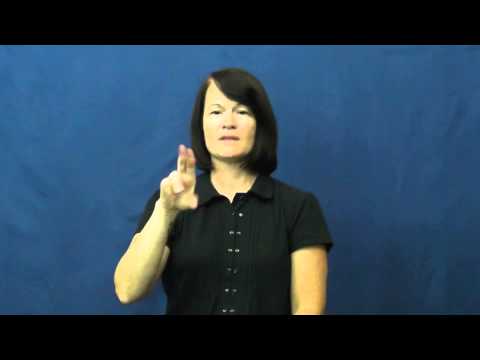
The sign for “unanimous” in Auslan conveys a sense of agreement or consensus among a group. It’s often used in discussions, meetings, or any situation where everyone is in full agreement on a matter. This sign highlights the importance of unity and shared opinions in decision-making.
Table of Contents
How to Sign “Unanimous”
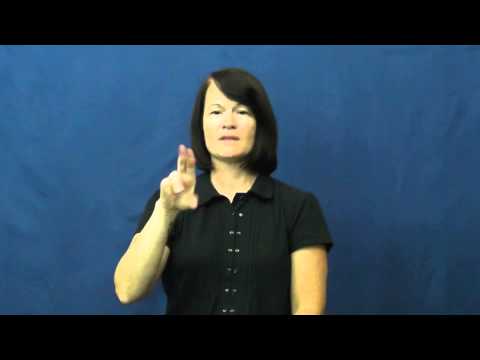
- Start with both hands open, palms facing downward and fingers slightly spread apart.
- Place your hands in front of your chest, with the fingertips about shoulder-width apart.
- Bring your hands together smoothly, so the fingertips touch, while keeping your palms facing down. This motion symbolizes joining or coming together.
- As your hands touch, nod your head slightly to emphasize agreement, maintaining a confident and affirmative facial expression.
Common Mistakes
- Forgetting to maintain a proper facial expression; the sign should convey agreement and positivity.
- Using a flat hand instead of an open hand; the hand shape is important for clarity.
- Moving hands apart too quickly, which can make the sign appear disconnected and unclear.
Related Signs
- 1 – Represents the number one, often used in agreements.
- 10 – Represents the number ten, used in various contexts.
- 100 – Represents the number one hundred, often used in discussions about quantities.
- 1 Dollar – Represents currency, useful in financial discussions.
- 15 – Represents the number fifteen, applicable in various contexts.
Using “Unanimous” in Everyday Conversations
The sign “Unanimous” can often arise in discussions related to decision-making, group consensus, or voting outcomes. Here are a few example sentences demonstrating its use:
- “The committee decided unanimous, everyone agreed.”
- “The vote was unanimous, all members supported the proposal.”
- “Unanimous decision made by the board, no objections.”
These scenarios typically occur in meetings, community gatherings, or any situation where collective agreement is necessary, highlighting the importance of collaboration within groups.
Cultural Notes
In the Australian Deaf community, the concept of being “unanimous” often resonates with the values of solidarity and collective decision-making. The use of this sign reflects a commitment to inclusive practices and respect for each member’s input. The Deaf community tends to value consensus, particularly in group settings such as schools or organisations, where decisions significantly impact everyone involved.
While Auslan is generally consistent, there may be slight variations in the sign among different regions. For instance, some northern areas might incorporate a more fluid motion in the sign, while southern regions may prefer a more defined gesture. Being aware of these nuances can enhance communication and strengthen connections within the community.
Tips for Learning This Sign
Practising the sign “Unanimous” can be engaging and effective with a few thoughtful techniques:
- Mirror Practice: Use a mirror to observe your hand shape and movement. This helps ensure you are accurately mimicking the sign.
- Watch for Non-Manual Features: Pay attention to facial expressions and body language that accompany the sign. These features often convey additional meaning or emphasis.
- Incorporate into Short Sentences: Create simple phrases using the sign in context. For example, practice saying “The decision was unanimous” while signing to reinforce memory.
Regular practice in varied contexts will help solidify your understanding and use of “Unanimous” in everyday conversations.
Frequently Asked Questions
How do I use “unanimous” in a sentence?
You can say, “We reached a unanimous decision about the project,” using the sign to emphasize that everyone agreed.
Are there regional variations for this sign?
Yes, some regions may use slight variations in handshape or movement, but the core concept remains the same.
What are some similar signs?
Signs like “agree” and “consensus” convey similar meanings, focusing on unity and shared opinions.
How does this compare to BSL?
While the concept is similar, the sign for “unanimous” in British Sign Language (BSL) may differ in handshape and movement.
Any tips for teaching this sign?
Encourage learners to practice with a partner and emphasize the importance of facial expressions in conveying the meaning.
What contexts can I use this sign in?
This sign is commonly used in meetings, discussions, or any situation where agreement is reached.
Can I use this sign in informal settings?
Absolutely! It’s versatile and can be used in both formal and casual conversations to express agreement.
Practice This Sign
Try signing Unanimous In Auslan with your camera and get AI coaching on your handshape, movement, and location.
Free · No signup required