
Land in Australian Sign Language (Auslan)
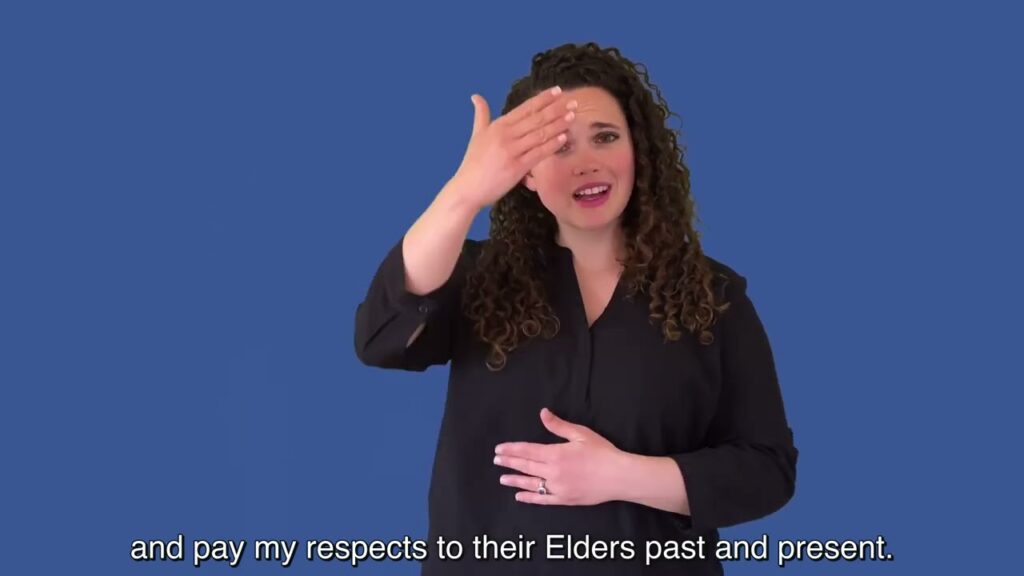
The sign for “land” in Auslan refers to the concept of arriving at or being situated on solid ground. It’s often used when discussing travel, geography, or any situation that involves reaching a destination. This sign can be particularly useful in conversations about where you live or places you’ve visited.
Table of Contents
How to Sign “Land”
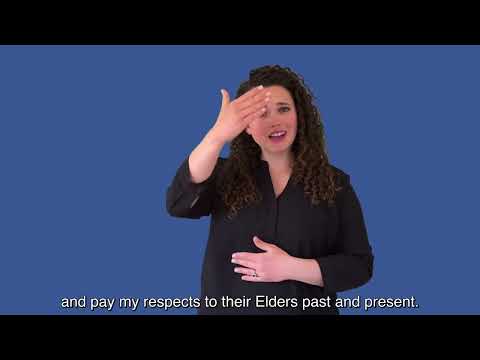
- Start with your dominant hand in a flat, open shape, resembling a “B” handshape.
- Position your hand in front of your body at about chest height.
- Move your hand downward, as if you are placing it on the ground.
- As you move your hand, maintain a neutral facial expression or show a slight smile to convey a positive tone.
Common Mistakes
- Some learners may forget to keep their hand flat, which can change the meaning of the sign.
- Not moving the hand downward enough can lead to confusion, as the motion is essential to convey “land.”
- Using an exaggerated facial expression can distract from the sign itself, so aim for a calm demeanor.
Related Signs
- 1 – The sign for the number one, useful in counting contexts.
- 1 Dollar – Sign for a single dollar, great for financial discussions.
- 10 – Sign for the number ten, helpful in various counting scenarios.
- 100 – Indicates one hundred, useful for larger numbers.
- 11 – The sign for eleven, commonly used in numerical contexts.
Using “Land” in Everyday Conversations
The sign “Land” is frequently used in various contexts, especially when discussing places or experiences related to the outdoors or property. Here are some example sentences that illustrate how “Land” can fit naturally into conversation:
- “I love my land.” (MY LAND LOVE) – This could come up when discussing one’s home or property.
- “We are going to land next week.” (WE GO LAND NEXT WEEK) – Useful when talking about upcoming travel plans.
- “The land is beautiful here.” (THIS LAND BEAUTIFUL) – Often used when expressing appreciation for a particular area or location.
These examples can arise in casual conversations among friends, family discussions about property, or while sharing travel experiences in the Deaf community.
Cultural Notes
The concept of “land” carries significant cultural weight in Australia, particularly within the Deaf community. For many, land represents not just a physical space but also cultural identity and connection to heritage. In the Australian Deaf community, there is a strong emphasis on the notion of belonging and community ties to specific areas. This is especially relevant for Indigenous Deaf Australians who may have unique signs and stories associated with their ancestral land.
Dialectal variations can exist between northern and southern Australia, with slight differences in how some signs are expressed. While “Land” remains consistent, observing local variations can enhance your understanding and fluency in Auslan. Engaging with local Deaf communities through events or social gatherings can provide valuable insights into these nuances.
Tips for Learning This Sign
Practicing the sign “Land” effectively can enhance your Auslan skills. Here are some tips to help you remember and use this sign confidently:
- Mirror Practice: Use a mirror to check your handshape and movement. This feedback helps ensure you’re signing accurately.
- Non-Manual Features: Pay attention to facial expressions and body language while signing “Land.” These non-manual features add meaning and context.
- Short Signed Sentences: Incorporate “Land” into simple sentences when practicing with a partner. This reinforces your learning and makes the sign part of your active vocabulary.
Regular practice in these ways will help solidify your understanding of “Land” and enhance your overall communication in Auslan.
Frequently Asked Questions
How can I use “land” in a sentence?
You can say, “I want to land in Australia,” by signing “I” followed by “want” and then the sign for “land.”
Are there regional variations of this sign?
Yes, some signs may vary slightly depending on the region, but the basic handshape and movement usually remain the same.
What are some similar signs to “land”?
Signs like “arrive” or “come” have similar movements but differ in context and meaning.
How does this compare to British Sign Language?
While there may be some similarities, BSL has its own unique signs and structure. It’s best to learn them separately.
What tips do you have for teaching this sign?
Encourage learners to practice the motion in front of a mirror to ensure the handshape and movement are correct.
Practice This Sign
Try signing Land In Auslan with your camera and get AI coaching on your handshape, movement, and location.
Free · No signup required