
Ultraviolet Light in Australian Sign Language (Auslan)
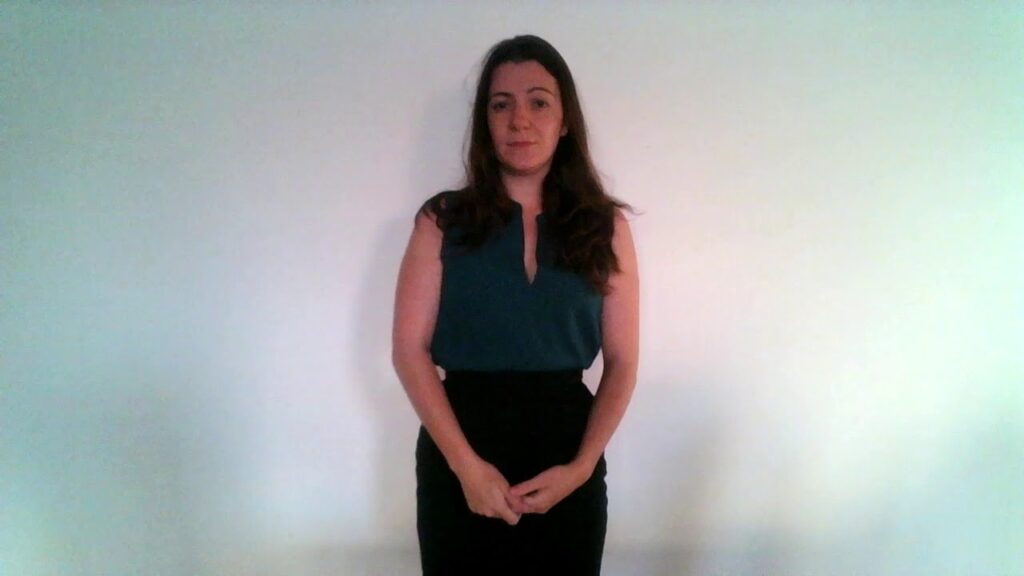
The sign for “ultraviolet light” in Auslan refers to a type of light that is not visible to the human eye but has various applications, such as in photography and health. This sign is often used in discussions about science, health, or technologies that utilize ultraviolet light. Understanding this sign can enhance conversations about these important topics.
Table of Contents
How to Sign “Ultraviolet Light”
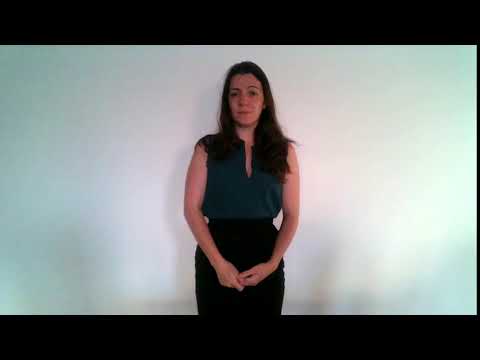
- Start with your dominant hand in a flat handshape (like a “B” handshape).
- Position your hand in front of your face, palm facing away from you.
- With a slight movement, tilt your hand upwards and then downwards, as if mimicking a wave of light.
- While performing the movement, maintain an engaging facial expression to convey the excitement or significance of the topic.
Common Mistakes
- Forgetting to use a facial expression, which can make the sign less effective.
- Using a closed fist instead of the flat handshape, which can change the meaning.
- Not tilting the hand during the movement, making it look static and less dynamic.
Related Signs
- 1 – The sign for the number one.
- 10 – The sign for the number ten.
- 12 – The sign for the number twelve.
- 14 – The sign for the number fourteen.
- 100 – The sign for the number one hundred.
Using “Ultraviolet Light” in Everyday Conversations
In everyday conversations, the sign for “Ultraviolet Light” can come up in various contexts, particularly in discussions about health, skin care, or environmental issues. Here are a few example sentences that illustrate how to use this sign naturally:
- “I use sunscreen to protect my skin from ultraviolet light.” (Sunscreen + protect + skin + ultraviolet light)
- “Ultraviolet light can cause skin damage if you’re not careful.” (Ultraviolet light + cause + skin damage + careful)
- “Do you know how ultraviolet light affects our eyes?” (You + know + how + ultraviolet light + affect + eyes)
These examples reflect common topics where the sign can be integrated into conversation, making it a useful addition to your Auslan vocabulary.
Cultural Notes
Within the Australian Deaf community, the term “Ultraviolet Light” carries significant relevance, particularly in conversations about health and safety. Deaf awareness around UV exposure is often emphasized in community health talks, especially in relation to skin cancer prevention, which is a notable concern in Australia due to high UV levels. The sign itself is widely understood, but regional variations in usage may exist. For instance, in some northern regions, the sign may incorporate slightly different facial expressions or spatial referencing. Being mindful of these dialectical differences can enhance communication and foster better understanding among individuals from different areas.
Tips for Learning This Sign
To effectively learn and remember the sign for “Ultraviolet Light,” consider these practical tips:
- Mirror Practice: Stand in front of a mirror while signing. This allows you to see your movements and correct any mistakes in real-time.
- Focus on Non-Manual Features: Pay attention to your facial expressions and body posture when signing. These non-manual features add meaning and clarity.
- Use in Short Sentences: Incorporate the sign into short, simple sentences. Regular practice in context helps reinforce memory and build fluency.
By integrating these practices into your learning routine, you’ll find that the sign becomes a natural part of your Auslan vocabulary.
Frequently Asked Questions
How can I use “ultraviolet light” in a sentence?
You can say, “The sun emits ultraviolet light,” using the sign for ultraviolet light when you mention it.
Are there regional variations for this sign?
Yes, some regions may have slight variations in the handshape or movement, so it’s useful to learn from local Deaf communities.
What signs are similar to “ultraviolet light”?
Signs for “light,” “sun,” or “radiation” may have some similarities in movement or handshape, depending on context.
How does this sign compare to BSL?
British Sign Language (BSL) has its own sign for “ultraviolet light,” which may look different but conveys the same concept.
What are some teaching tips for this sign?
Practice in front of a mirror and ensure your facial expressions match the content of the sign for better engagement.
Practice This Sign
Try signing Ultraviolet Light In Auslan with your camera and get AI coaching on your handshape, movement, and location.
Free · No signup required