
Ultraviolet in Australian Sign Language (Auslan)

The sign for “ultraviolet” in Auslan refers to the part of the electromagnetic spectrum that is invisible to the human eye but has important implications for health and safety, particularly in relation to sun exposure. This sign is often used in discussions about skincare, sun protection, and photography.
Table of Contents
How to Sign “Ultraviolet”
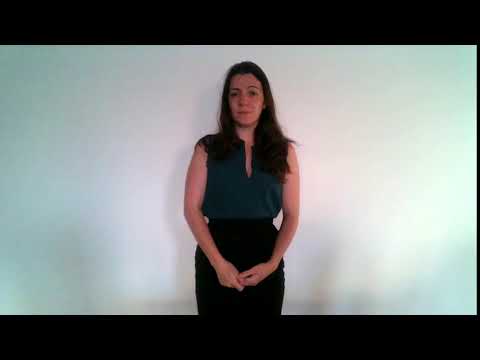
- Start with your dominant hand in a flat handshape (like a “B” handshape) with your palm facing down.
- Position your hand at forehead height, slightly in front of you.
- Move your hand forward and slightly upward, creating a small arc as you move.
- As you move your hand, maintain a neutral facial expression to convey the scientific nature of the term.
Common Mistakes
- Not using the correct handshape, which may confuse the meaning of the sign.
- Moving the hand too quickly, making it difficult for others to understand the sign.
- Forgetting to maintain a neutral facial expression, which can alter the sign’s meaning.
Related Signs
- 1 – The sign for the number one.
- 100 – The sign for one hundred.
- 15 – The sign for the number fifteen.
- 12 – The sign for the number twelve.
- 10 – The sign for the number ten.
Using “Ultraviolet” in Everyday Conversations
The sign for “Ultraviolet” can be seamlessly integrated into daily conversations, especially when discussing health, outdoor activities, or scientific topics. Here are a few examples:
- Example 1: “Ultraviolet rays can harm skin.” (ULTRAVIOLET RAYS HARM SKIN.) This might come up during discussions about sun safety or skincare.
- Example 2: “I always wear sunscreen for ultraviolet protection.” (I ALWAYS WEAR SUNSCREEN FOR ULTRAVIOLET PROTECTION.) This is a common conversation topic among friends planning outdoor activities.
- Example 3: “The UV index is high today.” (THE UV INDEX HIGH TODAY.) This is useful when discussing weather conditions and planning outdoor events.
Cultural Notes
In the Australian Deaf community, the term “ultraviolet” is not just a scientific term; it also connects to cultural practices such as awareness around skin health and sun safety. Given Australia’s strong sun and high UV levels, the Deaf community is often engaged in discussions about the importance of sun protection, particularly during summer months. Additionally, while Auslan is relatively consistent across Australia, there may be minor regional variations in the way “ultraviolet” is signed. In northern regions, where the sun’s intensity is particularly noted, the emphasis on this sign may be even more pronounced, reflecting local awareness and experiences.
Tips for Learning This Sign
To effectively learn and remember the sign for “ultraviolet,” try these practical tips:
- Mirror Practice: Stand in front of a mirror and practice the sign. This allows you to see your handshape and movement clearly, helping you adjust for accuracy.
- Watch for Non-Manual Features: Pay attention to facial expressions and body language when signing. This enhances the meaning and helps you integrate the sign fluidly into conversation.
- Use in Short Signed Sentences: Create simple sentences using “ultraviolet” in context. Practicing these phrases regularly will solidify your understanding and ability to use the sign naturally.
Frequently Asked Questions
How do I use “ultraviolet” in a sentence?
You can say, “I need to use sunscreen to protect my skin from ultraviolet rays,” and sign “ultraviolet” as you mention it.
Are there regional variations of the sign for “ultraviolet”?
While the basic sign remains the same, you may notice slight variations in movement or handshape depending on the region.
Is there a sign similar to “ultraviolet” in BSL?
Yes, BSL has its own sign for “ultraviolet,” which may differ in movement and handshape from Auslan.
What are some teaching tips for this sign?
Practice in front of a mirror to ensure your handshape and movements are accurate and clear, and try to incorporate the sign into everyday conversations for retention.
What is the importance of facial expressions with this sign?
Facial expressions help convey the context and seriousness of the topic, especially in scientific discussions like ultraviolet light.
Can I use “ultraviolet” in casual conversation?
Yes, you can use it in casual discussions, especially when talking about sunscreen, summer activities, or health.
Practice This Sign
Try signing Ultraviolet In Auslan with your camera and get AI coaching on your handshape, movement, and location.
Free · No signup required