
Sales in Australian Sign Language (Auslan)
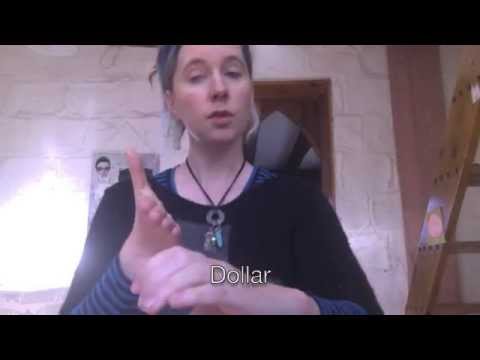
The sign for “sales” in Auslan is commonly used in retail and business settings to indicate the act of selling or promotions. It can be used in conversations about discounts, shopping, or when discussing sales events. Mastering this sign is essential for effective communication in the Deaf community, especially in commercial contexts.
Table of Contents
How to Sign “Sales”
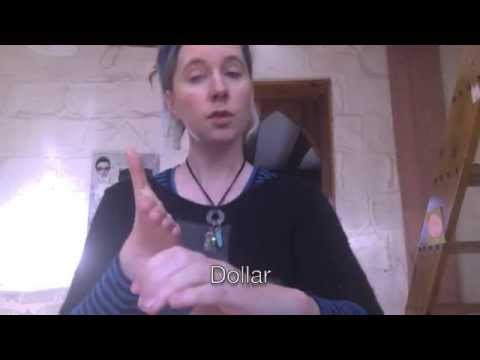
- Start with your dominant hand in a flat handshape (like a “B” handshape). Your palm should face outward.
- Position your dominant hand a little above and in front of your non-dominant hand, which is also in a flat handshape, palm facing up.
- Move your dominant hand down toward your non-dominant hand while slightly tilting it forward. This motion signifies the action of selling.
- Maintain a friendly facial expression to convey a positive context, as this sign often relates to promotions or good deals.
Common Mistakes
- Some learners may forget to maintain the flat handshape, which can lead to confusion with other signs.
- Not using a friendly facial expression can change the tone of the sign, making it seem negative rather than positive.
- Using an upward movement instead of a downward movement can alter the meaning entirely, so it’s crucial to practice the correct direction.
Related Signs
- 1 – Represents the number one, useful in sales contexts.
- 1 Dollar – Indicates a price point or monetary value in sales.
- 10 – Helpful for discussing larger prices or quantities in sales.
- 100 – Indicates larger sales figures or promotions.
- 15 – Useful for discussing specific sales percentages or discounts.
Using “Sales” in Everyday Conversations
The sign for “Sales” can seamlessly fit into various everyday conversations, especially when discussing shopping, promotions, or events. Here are a few example sentences where this sign might come up:
- “The sales at the mall are amazing this weekend!” (Sign: MALL SALES AMAZING THIS WEEKEND)
- “I found great sales online for winter clothes.” (Sign: I FIND GREAT SALES ONLINE WINTER CLOTHES)
- “The store is having a big sale for the holidays.” (Sign: STORE BIG SALE HOLIDAY)
These sentences often arise during discussions about shopping plans, sharing tips on bargains, or highlighting seasonal sales, making the sign “Sales” a practical addition to your Auslan vocabulary.
Cultural Notes
In the Australian Deaf community, discussions around sales are not just about shopping; they often reflect larger themes of accessibility and inclusion. Deaf individuals may share experiences of navigating sales events, particularly regarding how well stores cater to their communication needs. Additionally, some members of the community may prefer local businesses or Deaf-owned shops that offer sales, as this supports the Deaf economy.
Dialectal variations may exist in Auslan, with some signs for “sales” being used differently in northern or southern regions of Australia. For instance, the movement or emphasis of the sign may vary, so it’s beneficial to observe and learn from local Deaf signers to understand these nuances fully.
Tips for Learning This Sign
Practicing the sign for “Sales” can be both fun and effective when using a variety of techniques:
- Mirror Practice: Stand in front of a mirror and practice the sign. This helps you see your hand movements and facial expressions, ensuring they match the sign accurately.
- Focus on Non-Manual Features: Pay attention to your facial expressions while signing. A raised eyebrow or a nod can add emphasis and context to the sign.
- Use in Short Signed Sentences: Incorporate the sign into simple sentences regularly. For example, you could practice saying “I love sales” (I LOVE SALES) to build fluency in a natural context.
Regular practice using these methods will help you remember the sign and use it confidently in conversations.
Frequently Asked Questions
How can I use “sales” in a sentence?
You can say, “I saw a big sales event at the store,” by signing “I” + “big” + “sales” + “event” + “store.”
Are there regional variations for this sign?
While the sign for “sales” is generally consistent, some regions may have slight variations in movement or facial expression.
What are some similar signs?
Signs like “buy” or “discount” have related meanings in sales contexts and can complement the sign for “sales.”
How does this compare to BSL?
In British Sign Language (BSL), the sign for “sales” may differ in handshape and movement, reflecting regional differences in sign language.
What tips do you have for teaching this sign?
Encourage students to practice in pairs to give feedback on handshape and facial expressions, which are crucial for conveying the right meaning.
Practice This Sign
Try signing Sales In Auslan with your camera and get AI coaching on your handshape, movement, and location.
Free · No signup required