
Safety Glasses in Australian Sign Language (Auslan)

The sign for “safety glasses” in Auslan represents protective eyewear commonly used in various settings, such as construction sites, laboratories, and during activities that pose a risk to the eyes. This sign is useful when discussing safety equipment, workplace safety, or protective measures in general.
Table of Contents
How to Sign “Safety Glasses”
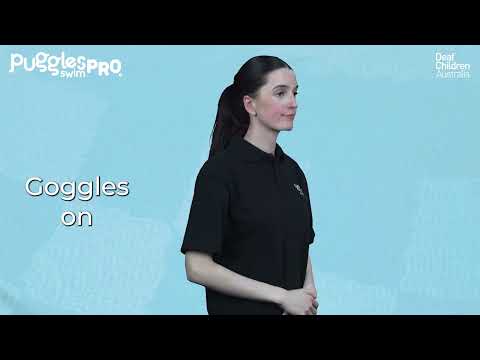
- Start with both hands open and facing toward you.
- Form a “C” shape with your dominant hand. This represents the frame of the glasses.
- Position your dominant “C” hand in front of your face, as if holding the glasses up to your eyes.
- With your non-dominant hand, create a flat handshape and place it in front of your dominant hand to indicate the lenses.
- Bring both hands slightly away from your face, mimicking the action of putting on glasses.
- Maintain a focused expression, showing the importance of safety.
Common Mistakes
- Some learners may forget to use both hands, leading to an incomplete or unclear sign.
- Often, the “C” shape may not be distinct enough, making it hard to recognize the sign.
- Facial expressions can be overlooked, which diminishes the sign’s effectiveness in conveying the concept of safety.
Related Signs
- 1 – A basic counting sign.
- 1 Dollar – Represents a single dollar currency.
- 10 – Another counting sign.
- 100 – Represents the number one hundred.
- 12 – A counting sign for twelve.
Using “Safety Glasses” in Everyday Conversations
The sign for “Safety Glasses” is commonly used in various contexts, particularly in discussions about workplace safety, hobbies that require protective eyewear, or educational settings. Here are a few examples of how to incorporate this sign into everyday conversations:
- Context: Workplace Safety Meeting
“WEAR SAFETY GLASSES AT WORK.” - Context: Discussing a DIY Project
“I NEED SAFETY GLASSES FOR MY PROJECT.” - Context: Teaching a Class
“STUDENTS, REMEMBER TO BRING SAFETY GLASSES.”
Using the sign in these scenarios helps emphasize the importance of safety and encourages clear communication among peers and colleagues.
Cultural Notes
In the Australian Deaf community, the emphasis on safety is particularly resonant due to the strong advocacy for workplace rights and safety measures. The use of “Safety Glasses” reflects an awareness of the potential hazards in various environments. In terms of regional dialects, while the sign for “Safety Glasses” remains consistent across Australia, some subtle variations in facial expressions and signing speed may occur between northern and southern communities, reflecting local signing styles and cultural nuances. Understanding these regional differences can enhance communication and foster deeper connections within the community.
Tips for Learning This Sign
To effectively learn and remember the sign for “Safety Glasses,” consider the following tips:
- Mirror Practice: Stand in front of a mirror and practice the sign repeatedly. This helps you observe your handshape and facial expressions to ensure clarity.
- Watch for Non-Manual Features: Pay attention to the facial expressions that accompany the sign. Non-manual features can add emphasis and context, making your signing more expressive.
- Use it in Short Signed Sentences: Create simple sentences that include “Safety Glasses” and practice them in context. This reinforces your memory and helps you become more comfortable using the sign in conversation.
Incorporating these practices into your learning routine will build your confidence and fluency in using this important sign.
Frequently Asked Questions
Can you use “safety glasses” in a sentence?
Yes, you can say “I wear safety glasses at work” by signing “I wear safety glasses” and showing the action of putting on glasses.
Are there regional variations for this sign?
Yes, some regions may have slight variations in handshape or movement. It’s good to observe local Deaf communities.
What are similar signs to “safety glasses”?
Similar signs may include “glasses,” “sunglasses,” or “protective gear,” each with distinct handshapes and movements.
How does this sign compare to BSL?
In BSL, the sign for “safety glasses” may differ in handshape and movement, reflecting regional sign language differences.
What tips can you share for teaching this sign?
Encourage students to practice with a partner and emphasize facial expressions to convey the importance of safety.
Practice This Sign
Try signing Safety Glasses In Auslan with your camera and get AI coaching on your handshape, movement, and location.
Free · No signup required