
Sad in Australian Sign Language (Auslan)

Expressing feelings of sadness or unhappiness, “sad” in Auslan is often used in conversations where individuals share their emotions or respond to situations that evoke sorrow. Understanding and conveying emotions play a crucial role in communication within the Deaf community.
Table of Contents
How to Sign “Sad”
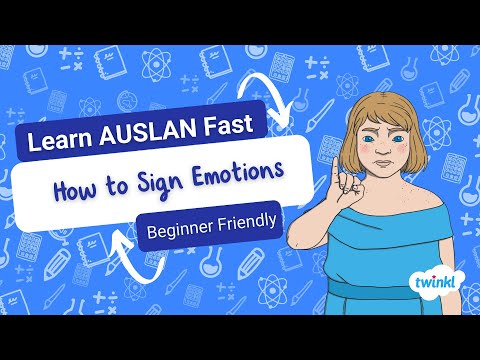
- Start with both hands open and your palms facing downward.
- Move your hands downwards from your chest towards your waist while slightly bending your elbows.
- As you move your hands, create a facial expression that reflects sadness, such as a frown or downturned mouth.
Common Mistakes
- Forgetting to incorporate the appropriate facial expression, which is crucial in conveying the emotion.
- Using the wrong hand shape; the hands should be open, not closed or in a fist.
- Not moving the hands downward, which can make the sign unclear or less impactful.
Related Signs
- Happy – The opposite of sad, showing joy or happiness.
- Angry – Expressing frustration or anger.
- Excited – Showing enthusiasm or eagerness.
- Glad – Indicating a sense of relief or happiness.
- Confused – Expressing uncertainty or lack of understanding.
Using “Sad” in Everyday Conversations
The sign “Sad” can be used in a variety of everyday situations to express feelings or emotions. Here are a few example sentences that demonstrate its use:
- I feel sad today. (ME SAD TODAY)
- She is sad about her lost pet. (SHE PET LOST SAD)
- He looked sad when he heard the news. (HE NEWS HEAR SAD)
These examples show how the sign “Sad” fits naturally into conversations about personal feelings, reactions to situations, and expressing empathy for others. Using it in context can help convey deeper emotions and create meaningful connections.
Cultural Notes
In the Australian Deaf community, emotions are often expressed not just through signs but also through facial expressions and body language. The sign for “Sad” is typically accompanied by a frown or downturned eyebrows, which emphasizes the emotional weight of the word. This non-manual feature is essential in conveying the depth of sadness and is an integral part of Auslan communication.
While there may be some regional variations in signs across Australia, the sign for “Sad” is generally consistent. However, in northern regions, you might find slight differences in the intensity of the sign’s execution, depending on local dialects. Being aware of these nuances can enrich your understanding and use of Auslan.
Tips for Learning This Sign
Practicing the sign “Sad” can be both fun and effective. Here are some concrete ways to help you remember and master it:
- Mirror Practice: Use a mirror to observe your facial expressions while signing “Sad.” This helps ensure your non-manual features align with the emotion you’re expressing.
- Focus on Non-Manual Features: Pay attention to your facial expressions. A frown or a sad look will enhance the meaning of “Sad.” Try incorporating these features as you practice.
- Use Short Signed Sentences: Create simple sentences using “Sad” in various contexts. For example, practice signing, “I am sad about the weather” or “He feels sad.” This will help you integrate the sign into everyday use.
Consistent practice and mindful observation will greatly enhance your comfort and fluency with the sign “Sad” in Auslan.
Frequently Asked Questions
Can you use “sad” in a sentence?
Yes! For example, you could sign “I feel sad” by combining the sign for “I” with “feel” and “sad.”
Are there regional variations for the sign?
Some regions may have slight variations in handshape or movement, but the core sign remains widely understood.
What signs are similar to “sad”?
Signs like “happy” and “angry” are related as they also express emotions. Understanding their contrasts can enhance your emotional vocabulary.
How does “sad” compare to BSL?
In British Sign Language (BSL), the sign for “sad” is different, but the concept remains the same. Each sign language has its unique signs.
What are some teaching tips for “sad”?
Encourage students to practice facial expressions while signing, as they enhance emotion. Use role-play scenarios to help them contextualize the sign.
How can I express deeper sadness?
You can modify the sign by using more pronounced movements and facial expressions to convey deeper feelings of sadness.
Practice This Sign
Try signing Sad In Auslan with your camera and get AI coaching on your handshape, movement, and location.
Free · No signup required