
Rainy in Australian Sign Language (Auslan)
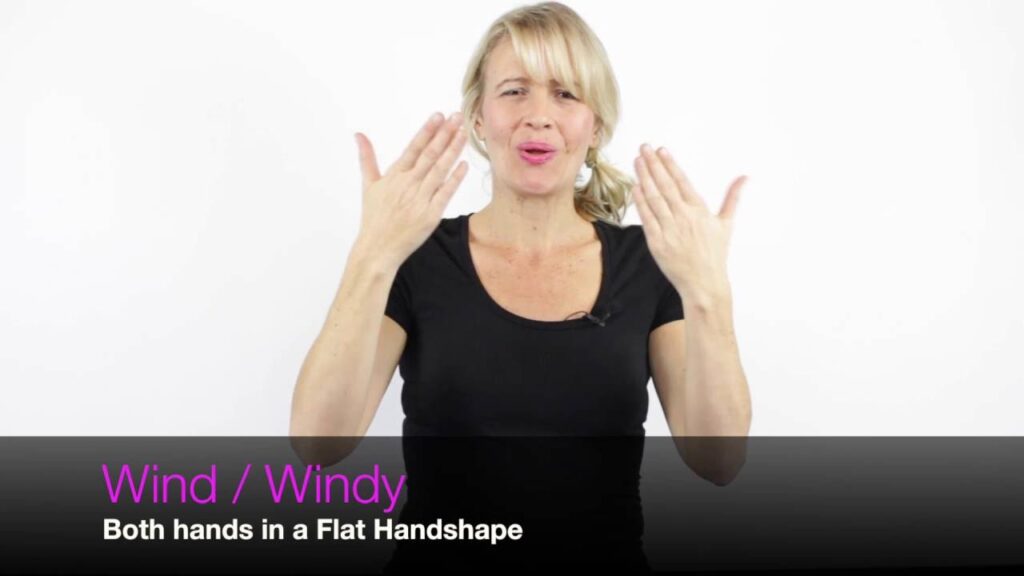
The sign for “rainy” in Auslan is used to describe weather conditions that are characterized by rain. This sign is commonly used in conversations about the weather, planning outdoor activities, or discussing seasonal changes.
Table of Contents
How to Sign “Rainy”
- Start with both hands in a loose “5” handshape (fingers spread apart).
- Position your hands above your head, palms facing downward.
- Move your hands downwards in a gentle motion, as if mimicking raindrops falling.
- As you perform the motion, slightly wiggle your fingers to enhance the effect of rain falling.
- Incorporate a facial expression that conveys the mood of rainy weather, such as a slight frown or squinting eyes.
Common Mistakes
- Some learners may forget to wiggle their fingers, making the sign less expressive.
- Others might use a flat handshape instead of a “5” handshape, which can alter the intended meaning.
- Failing to incorporate appropriate facial expressions can make the sign less effective in conveying the feeling of rain.
Related Signs
- Sunny – Sign for clear weather.
- Cloudy – Indicates overcast skies.
- Stormy – Represents severe weather conditions with rain and wind.
- Wind – Sign for windy weather.
- Snow – Represents snowfall or winter weather.
Using “Rainy” in Everyday Conversations
The sign for “Rainy” is commonly used in everyday conversations, especially when discussing the weather. Here are a few examples of how to incorporate this sign into your dialogue:
- Example 1: “Today is rainy.” (TODAY RAINY)
- Example 2: “I love rainy days.” (I LOVE RAINY DAYS)
- Example 3: “It was rainy last week.” (LAST WEEK RAINY)
These sentences may come up in casual chats with friends, during planning for outdoor activities, or even when discussing your mood influenced by the weather. Using “Rainy” in these contexts helps convey your thoughts more vividly and connects with the shared experiences of others.
Cultural Notes
In the Australian Deaf community, weather-related signs like “Rainy” hold significance beyond their literal meaning. Weather often serves as a topic of conversation that fosters connection among community members, especially in a country where climate can greatly influence lifestyle and activities.
Additionally, there can be some regional variations in how the sign for “Rainy” is used or expressed. For example, Northern Auslan users might incorporate more emphasis with facial expressions or body language compared to Southern users. Being aware of these nuances can enhance communication and foster a deeper understanding of cultural contexts.
Tips for Learning This Sign
Practicing the sign for “Rainy” can be both fun and effective. Here are some tips to help you remember and improve your signing:
- Mirror Practice: Stand in front of a mirror and practice the sign, paying attention to your hand shape and movement. This visual feedback can help you refine your technique.
- Observe Non-Manual Features: Focus on the facial expressions and body posture that accompany the sign. Using appropriate non-manual features can convey additional meaning and emotion.
- Use in Short Sentences: Create short sentences incorporating “Rainy” and practice them regularly. This helps reinforce the sign in context and makes it easier to recall in conversations.
By incorporating these strategies into your learning routine, you’ll find that signing “Rainy” becomes second nature in no time!
Frequently Asked Questions
How do I use “rainy” in a sentence?
You can say, “It is rainy today” by signing “IT” (pointing to the location), then perform the sign for “rainy,” and finish with “today” (using the sign for “now”).
Are there regional variations for this sign?
What is a similar sign to “rainy”?
The sign for “stormy” is similar but involves more vigorous hand movements to indicate strong winds and heavy rain.
How does this compare to BSL?
In British Sign Language, the sign for “rain” is different, often using a single hand shape to represent raindrops.
What tips do you have for teaching this sign?
Encourage learners to practice with expressive facial expressions and to observe native signers to see how they incorporate movement and emotion.
Can I use “rainy” to describe other weather phenomena?
While “rainy” specifically indicates rain, you can use related signs like “stormy” or “cloudy” to express different weather conditions.
What facial expressions should I use while signing?
Facial expressions should reflect the mood of the weather. For “rainy,” a slightly worried or neutral expression works well.
Practice This Sign
Try signing Rainy In Auslan with your camera and get AI coaching on your handshape, movement, and location.
Free · No signup required