
Racial Extermination in Australian Sign Language (Auslan)

The sign for “racial extermination” in Auslan conveys a serious and impactful concept, often used in discussions surrounding historical events, human rights, and social justice. It is important to approach this sign with sensitivity, considering the weight of its meaning and the context in which it is used.
Table of Contents
How to Sign “Racial Extermination”
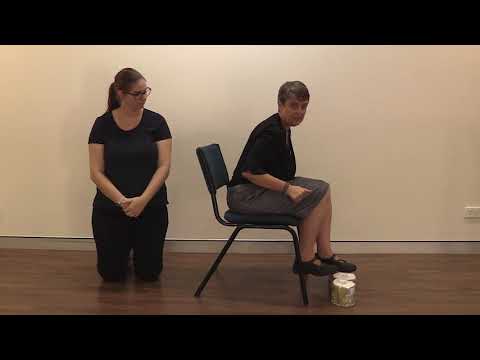
- Start with your dominant hand in a flat shape (like a “B” handshape) and place it in front of your chest.
- Move your hand slightly forward while maintaining the flat shape, as if you are pushing something away.
- As you push forward, change your facial expression to reflect seriousness or concern, indicating the gravity of the topic.
- Return your hand to the starting position and use your non-dominant hand to emphasize or add context, if necessary.
Common Mistakes
- Forgetting to use an appropriate facial expression, which is crucial in conveying the seriousness of the sign.
- Using the wrong handshape, which can change the meaning entirely; ensure your hand is flat.
- Performing the movement too quickly, which may lead to misunderstanding the sign’s impact.
Related Signs
- 1 – The numeral sign for ‘one’.
- 1 Dollar – A sign indicating the amount of one dollar.
- 10 – The numeral sign for ‘ten’.
- 100 – The numeral sign for ‘one hundred’.
- 11 – The numeral sign for ‘eleven’.
Using “Racial Extermination” in Everyday Conversations
Incorporating the sign for “Racial Extermination” into conversations can evoke strong feelings and discussions around historical and current events. Here are a few example sentences demonstrating how this sign can be used:
- “We must remember history to prevent future racial extermination.” (Sign: “History” + “Remember” + “Racial Extermination” + “Prevent” + “Future”)
- “The documentary highlights the impacts of racial extermination on Indigenous communities.” (Sign: “Documentary” + “Highlight” + “Impacts” + “Racial Extermination” + “Indigenous Communities”)
- “It’s crucial to educate others about the consequences of racial extermination.” (Sign: “Crucial” + “Educate” + “Others” + “Consequences” + “Racial Extermination”)
These sentences might arise in discussions about social justice, history classes, or community events focused on awareness and advocacy against racism.
Cultural Notes
The sign for “Racial Extermination” carries significant weight within the Australian Deaf community, particularly as it relates to conversations surrounding Indigenous rights and historical injustices. Awareness of these issues is integral to the Deaf community’s broader engagement with social justice themes. This sign is often used during discussions at community forums, workshops, or in educational settings where the impacts of colonization and systemic racism are being addressed.
In terms of dialect variation, while the sign itself remains consistent across regions, there may be slight differences in how it is expressed in northern vs. southern dialects of Auslan. It’s beneficial to observe local signing styles and incorporate them into your practice for a more authentic communication experience.
Tips for Learning This Sign
Practicing the sign for “Racial Extermination” effectively can enhance retention and fluency. Here are several strategies to help you remember and use this sign:
- Mirror Practice: Use a mirror to observe your hand shapes and movements to ensure accuracy.
- Non-Manual Features: Pay attention to facial expressions and body language, which are essential for conveying the emotional weight of the sign.
- Short Signed Sentences: Create simple phrases that include the sign, and practice using it in various contexts to build confidence in your usage.
By incorporating these tips into your learning routine, you can solidify your understanding and usage of the sign in meaningful ways.
Frequently Asked Questions
How can I use this sign in a sentence?
You might say, “The community remembers the tragedy of racial extermination,” while using the sign to emphasize the message.
Are there regional variations for this sign?
While the sign is generally consistent, some regions may have slight variations in movement or emphasis. Observing local Deaf communities can provide guidance.
What are some signs similar to this one?
Signs related to human rights and social justice can often share similar emotional weight, such as “discrimination” and “inequality.”
How does this sign compare to BSL?
In British Sign Language (BSL), the signs may look different due to variations in handshapes and movements, but the core concept remains similar.
What are some tips for teaching this sign?
Encourage students to practice with context, discussing related topics to deepen understanding and emotional connection to the sign.
Practice This Sign
Try signing Racial Extermination In Auslan with your camera and get AI coaching on your handshape, movement, and location.
Free · No signup required