
Raglan Sleeve in Australian Sign Language (Auslan)
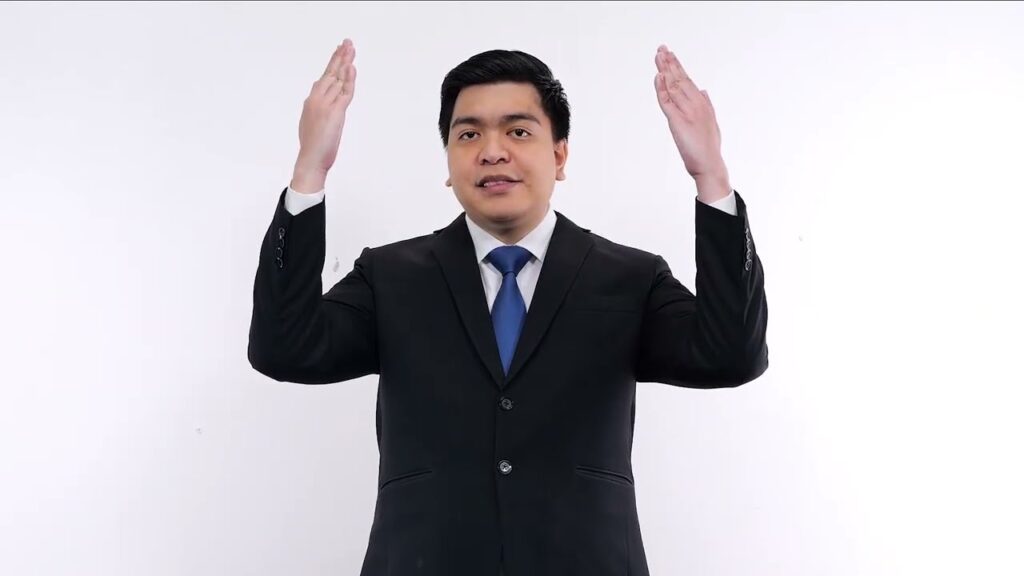
The sign for “raglan sleeve” in Auslan refers to a specific style of clothing that features sleeves extending in one piece to the body of the garment, creating a diagonal seam from the underarm to the neckline. This term is often used in fashion discussions or when describing clothing items.
Table of Contents
How to Sign “Raglan Sleeve”

- Begin with your dominant hand in a flat handshape (like a “B” handshape). Position it near your shoulder, palm facing inward.
- With your non-dominant hand, form a similar flat handshape and place it next to your dominant hand, representing the other side of the garment.
- Move both hands outward and slightly downward, as if you are showing the shape of the raglan sleeve. Maintain a smooth, fluid motion.
- Use a facial expression that conveys excitement or interest, as this helps convey meaning and engages your audience.
Common Mistakes
- Forgetting to use both hands, which can lead to confusion about the garment’s shape.
- Using too little movement; the sign should be expressive to clearly indicate the design of the raglan sleeve.
- Not maintaining facial expressions, which can make the sign less engaging and harder to understand.
Related Signs
- 1 – The sign for the number one.
- 1 Dollar – The sign for one dollar in a financial context.
- 10 – The sign representing the number ten.
- 100 – The sign for one hundred.
- 11 – The sign for eleven.
Using “Raglan Sleeve” in Everyday Conversations
The sign for “Raglan Sleeve” can seamlessly fit into various conversations, especially when discussing fashion, clothing preferences, or sewing projects. Here are some example sentences illustrating its use:
- “I love your shirt, it has a raglan sleeve.” (sign “Raglan Sleeve” while pointing to the shirt)
- “My new dress has a raglan sleeve, it’s so comfortable.” (use the sign while gesturing to the dress)
- “Do you prefer tops with a raglan sleeve or traditional sleeves?” (sign “Raglan Sleeve” while showing options)
These sentences are common during casual conversations among friends or while shopping, where discussing clothing styles is a natural topic.
Cultural Notes
In the Australian Deaf community, the term “Raglan Sleeve” resonates beyond fashion; it reflects a shared cultural appreciation for clothing that is both stylish and comfortable. The popularity of raglan sleeves can be seen in the community’s diverse fashion choices, often influenced by both local trends and individual preferences.
While Auslan is relatively uniform across Australia, there can be minor variations in signs based on regional dialects. However, the sign for “Raglan Sleeve” remains widely understood, regardless of whether someone is from the Northern Territory or Tasmania. This shared understanding helps build connections among Deaf individuals from different backgrounds.
Tips for Learning This Sign
To effectively learn and remember the sign for “Raglan Sleeve,” consider the following practices:
- Mirror Practice: Stand in front of a mirror and practice the sign. This helps you see your movements and adjust for clarity.
- Observe Non-Manual Features: Pay attention to facial expressions and body language while signing. These non-manual features can add meaning and context to your sign.
- Incorporate it into Short Signed Sentences: Use “Raglan Sleeve” in everyday interactions, such as discussing what you’re wearing or what you like about certain styles. This repetition reinforces your memory of the sign.
By actively engaging with the sign in these ways, you’ll find it becomes a natural part of your Auslan vocabulary.
Frequently Asked Questions
How can I use “raglan sleeve” in a sentence?
You can say, “I love wearing my raglan sleeve t-shirt because it is so comfortable.”
Are there regional variations of this sign?
While the basic sign remains consistent, some regions may have slight variations in movement or handshape.
What are some similar signs?
Related signs include “shirt,” “sleeve,” and “jacket,” each with its own specific handshape and movement.
How does this compare to BSL?
In BSL, the sign for clothing styles may differ significantly in handshape and movement, reflecting the unique aspects of each sign language.
What tips do you have for teaching this sign?
Encourage learners to practice in front of a mirror to ensure their movements are clear and expressive.
Practice This Sign
Try signing Raglan Sleeve In Auslan with your camera and get AI coaching on your handshape, movement, and location.
Free · No signup required