
Palpitation in Australian Sign Language (Auslan)

The sign for “palpitation” in Auslan refers to the sensation of a rapid or irregular heartbeat. This sign can be used in medical contexts or when discussing feelings of anxiety, excitement, or any situation that may cause a racing heart. Understanding this sign helps in expressing health-related feelings effectively within the Deaf community.
Table of Contents
How to Sign “Palpitation”
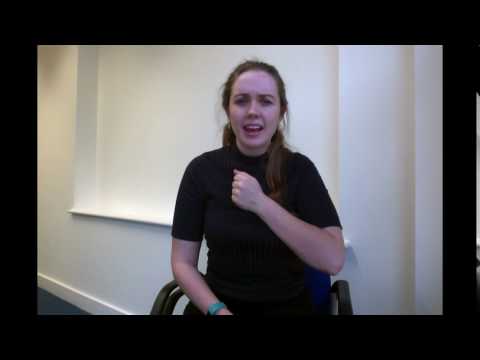
- Start with your dominant hand in a flat handshape (like a ‘B’ hand), palm facing down.
- Position your hand over your chest, approximately at the level of your heart.
- Gently move your hand in a quick, rhythmic motion, mimicking the action of a heartbeat.
- As you do this, maintain a facial expression that conveys the feeling associated with the sign, such as concern or excitement, depending on the context.
Common Mistakes
- Some learners may sign too slowly, which can misrepresent the urgency of a palpitation. Remember to maintain a quick, rhythmic motion.
- Not using facial expressions can lead to misunderstanding, as emotions play a key role in conveying meaning in Auslan.
- Using the wrong handshape can confuse the sign; ensure your hand is flat and positioned correctly over your heart.
Related Signs
- 1 – Signifying the number one, useful in various contexts.
- 100 – Represents the number one hundred, often used in discussions about quantities.
- 10 – Represents the number ten, frequently used in counting.
- 15 – Sign for the number fifteen, useful in numerical contexts.
- 16 – Represents the number sixteen, also relevant in counting.
Using “Palpitation” in Everyday Conversations
The sign for “palpitation” is often used in conversations related to health, emotions, and experiences. Here are a few example sentences that illustrate how this sign can be integrated naturally:
- Example 1: “I felt my heart
PALPITATION during the scary movie.” This might come up when discussing a thrilling or frightening experience. - Example 2: “After the exercise, I had a
PALPITATION .” This can happen in casual conversations about fitness or health. - Example 3: “When I received the news, I felt a
PALPITATION in my chest.” This shows how emotions can trigger physical reactions.
Cultural Notes
In the Australian Deaf community, the term “palpitation” may not only refer to a physical sensation but can also be tied to deeper emotional experiences, particularly in discussions about mental health. The understanding of “palpitation” can vary slightly between northern and southern dialects in Auslan, with some signs exhibiting subtle differences in movement or facial expressions. It’s essential to engage with local Deaf communities to understand these nuances fully, as they enrich the cultural context of the language.
Tips for Learning This Sign
To effectively learn and remember the sign for “palpitation,” consider these practical tips:
- Mirror Practice: Stand in front of a mirror while signing. This allows you to observe your movements and ensure accuracy.
- Watch for Non-Manual Features: Pay attention to facial expressions and body language that accompany the sign. This can enhance your communication and understanding of emotional context.
- Use in Short Signed Sentences: Incorporate “palpitation” into brief sentences during practice. For example, “I feel
PALPITATION now.” This reinforces usage in context and helps with retention.
Regular practice and immersion will strengthen your grasp of the sign and its applications in daily life.
Frequently Asked Questions
How do I use “palpitation” in a sentence?
You could say, “I felt a palpitation when I heard the news,” signing the concept to express your feelings accurately.
Are there regional variations of this sign?
Yes, some regions may have slight variations in hand movements or expressions. It’s always good to ask local Deaf individuals for any nuances.
What are similar signs to “palpitation”?
Signs like “anxiety” or “excitement” may express related feelings; learning them can enhance your emotional vocabulary.
How does this sign compare to BSL?
In British Sign Language (BSL), the sign for “palpitation” might differ, so it’s essential to learn each sign language in its context.
What tips do you have for teaching this sign?
Encourage learners to practice in a relaxed setting, focusing on both the hand movements and facial expressions to convey the correct emotion.
Practice This Sign
Try signing Palpitation In Auslan with your camera and get AI coaching on your handshape, movement, and location.
Free · No signup required