
Pajamas in Australian Sign Language (Auslan)
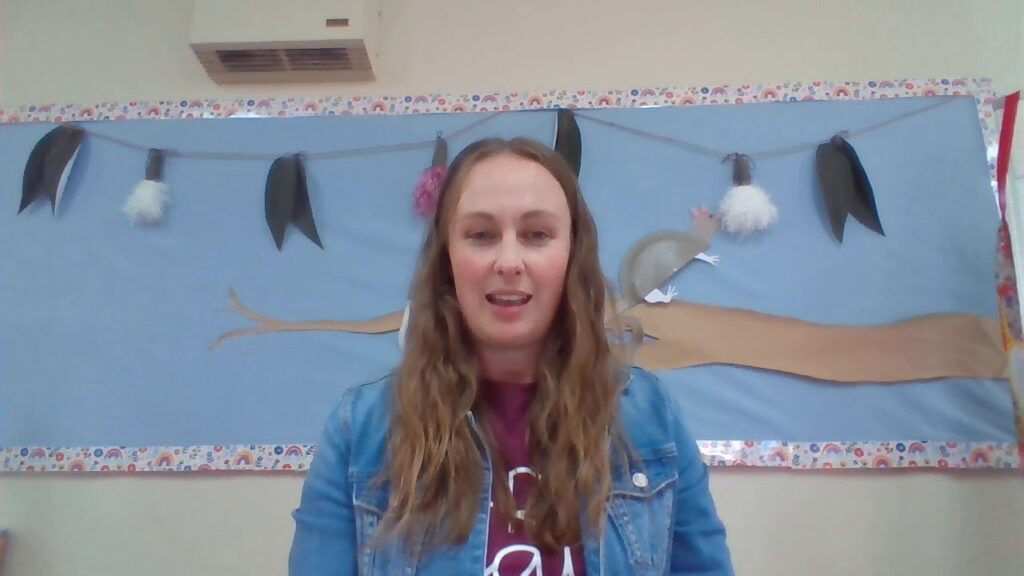
The sign for “pajamas” in Auslan represents the comfortable clothing typically worn for sleeping. It is often used in conversations about bedtime routines, sleepovers, or general discussions about clothing. This sign can be a fun addition to your vocabulary, especially when discussing relaxing activities.
Table of Contents
How to Sign “Pajamas”
- Start with both hands in a flat “B” handshape (palms facing down).
- Position your hands in front of your body at chest level.
- Move both hands outward simultaneously, as if spreading out the fabric of pajamas.
- Maintain a relaxed facial expression, reflecting the comfort associated with pajamas.
Common Mistakes
- Using an incorrect handshape, such as a fist instead of a flat hand, which can change the meaning.
- Failing to maintain proper facial expressions, which are essential for conveying the meaning of comfort.
- Not moving the hands outward far enough, which may make the sign unclear.
Related Signs
- Sleep: The sign for sleep often accompanies discussions about bedtime.
- Bed: A related sign that connects to where pajamas are typically worn.
- Clothes: A broader category that includes pajamas.
- Night: Commonly used in conjunction with pajamas in bedtime discussions.
Using “Pajamas” in Everyday Conversations
The sign for “pajamas” can be naturally integrated into various everyday conversations, especially when discussing sleep routines, bedtime, or cozy clothing. Here are a few example sentences that demonstrate how to use the sign effectively:
- “I wear pajamas to bed every night.”
(SIGN ORDER: “I pajamas wear night every to bed.”) - “Do you have new pajamas?”
(SIGN ORDER: “You new pajamas have?”) - “My favorite pajamas are soft and warm.”
(SIGN ORDER: “My favorite pajamas soft warm are.”)
These examples can come up in conversations with friends or family, especially during casual chats about home life or discussing comfort clothing preferences.
Cultural Notes
In the Australian Deaf community, discussing everyday items like pajamas can reflect broader cultural themes of comfort and relaxation, particularly within the context of home life. Pajamas often represent a sense of belonging and comfort that resonates deeply within Deaf culture, where social gatherings frequently occur in relaxed settings.
While the sign for “pajamas” is generally consistent across Australia, some northern and southern dialect variations may exist in the way the sign is articulated. For example, some individuals may have slight differences in handshape or movement based on their regional sign language influences. Embracing these variations can enrich your understanding of Auslan and its diverse expressions.
Tips for Learning This Sign
To effectively learn and remember the sign for “pajamas,” consider implementing these practical tips:
- Mirror Practice: Use a mirror to practice the sign visually. This helps ensure that your handshape and movement are accurate.
- Observe Non-Manual Features: Pay attention to facial expressions and body language when practicing the sign. These non-manual features add context and emotion to the sign.
- Use in Short Sentences: Create simple sentences incorporating the sign. This will help reinforce your memory and allow you to practice in context.
By regularly incorporating these practices into your learning routine, you will build confidence in using the sign for “pajamas” and enhance your overall Auslan skills.
Frequently Asked Questions
How can I use “pajamas” in a sentence?
You might say, “I wear pajamas when I go to sleep,” using the sign for pajamas to emphasize your routine.
Are there regional variations for this sign?
While most users will understand the standard sign, some regions may have slight variations in hand movement or placement.
What are some similar signs?
Similar signs include “sleep” and “bed,” which can often be used together in context.
How does this compare to BSL?
In BSL, the sign for pajamas may look different, but the concept remains the same. It’s always interesting to see how signs evolve in different languages.
What are some tips for teaching this sign?
Encourage students to practice with a partner and to focus on the facial expressions that convey comfort and relaxation.
Practice This Sign
Try signing Pajamas In Auslan with your camera and get AI coaching on your handshape, movement, and location.
Free · No signup required