
Palette Computing in Australian Sign Language (Auslan)
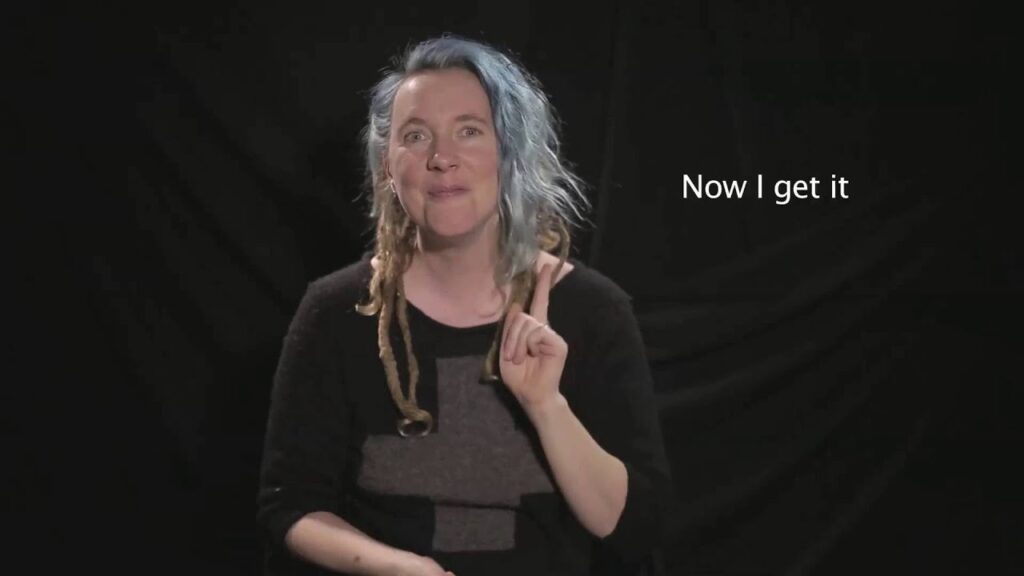
The sign for “palette computing” in Auslan refers to the concept of using a palette or set of tools in computing environments, especially in creative fields like graphic design. This sign is commonly used among Deaf individuals who work in technology, art, or design, facilitating discussions about software and creative processes.
Table of Contents
How to Sign “Palette Computing”
- Start with your dominant hand in a flat “B” handshape (palm facing down).
- Position your hand at chest level, near your body.
- Rotate your hand slightly while moving it outward, away from your body, as if you are presenting a palette.
- Simultaneously, use your non-dominant hand to mimic selecting or picking items off the palette, using an open handshape.
- Maintain a focused expression to convey the seriousness of the topic.
Common Mistakes
One common error is forgetting to use both hands effectively; the non-dominant hand should clearly indicate interaction with the palette. Another mistake is not maintaining the appropriate facial expression, which can lead to misunderstandings about the sign’s significance. Lastly, some learners may confuse the handshape, leading to incorrect signing.
Related Signs
- 1 – The sign for the number one.
- 1 Dollar – The sign for one dollar, often used in financial discussions.
- 10 – The sign for the number ten.
- 100 – The sign for one hundred, useful in various contexts.
- 11 – The sign for eleven, useful when discussing numbers.
Using “Palette Computing” in Everyday Conversations
Incorporating “Palette Computing” into everyday conversations can enhance your communication about technology and design. Here are a few example sentences that show how this sign fits naturally into discussions:
- I use “Palette Computing” for my graphic design projects. (Graphic design projects use “Palette Computing”.)
- Have you tried “Palette Computing” for your artwork? (Artwork tried “Palette Computing”.)
These sentences could come up during discussions in classrooms, tech meetups, or casual chats among friends who share an interest in digital art and design.
Cultural Notes
The sign for “Palette Computing” holds significance within the Australian Deaf community, particularly among those involved in the arts and digital design. The use of technology in creative fields is celebrated, and “Palette Computing” represents a fusion of art and technology that resonates with many Deaf artists. While there may be slight variations in signing across different regions in Australia, the core concept remains consistent. Northern and southern dialects may exhibit differences in finger spelling or the speed of signing, but the overall sign for “Palette Computing” is widely understood among Deaf individuals across the country.
Tips for Learning This Sign
Practicing the sign “Palette Computing” can be both fun and effective. Here are some tips to help you remember and use it confidently:
- Mirror Practice: Stand in front of a mirror and practice signing “Palette Computing.” This will help you observe your movements and ensure they are clear and accurate.
- Focus on Non-Manual Features: Pay attention to your facial expressions and body language when signing. These non-manual features can add emphasis and context to your signs.
- Use in Sentences: Create short signed sentences using “Palette Computing” in different contexts. The more you use it, the more natural it will feel.
Consistent practice will reinforce your skills and allow you to incorporate “Palette Computing” seamlessly into your conversations.
Frequently Asked Questions
How would I use this sign in a sentence?
You could say, “I am working on palette computing for my graphic design project,” using the sign to emphasize the technical tools you are using.
Are there regional variations for this sign?
While the sign is generally consistent, some regions may have slight variations in movement or handshape. It’s always good to learn from local Deaf communities.
Are there similar signs in ASL?
Yes, signs related to technology and tools may have similar movements or handshapes, but the context will help distinguish them.
How does this sign compare to BSL?
British Sign Language may have a different sign for “palette computing.” It’s beneficial to learn both if you interact with Deaf communities in both regions.
Any teaching tips for this sign?
Practice the sign in context with peers to build familiarity. Use visual aids to help learners understand the concept of “palette computing.”
Practice This Sign
Try signing Palette Computing In Auslan with your camera and get AI coaching on your handshape, movement, and location.
Free · No signup required