
Pall in Australian Sign Language (Auslan)

The sign “pall” in Auslan refers to a type of covering, often associated with solemn occasions, such as funerals. It is commonly used when discussing topics related to grief or remembrance. Understanding this sign helps in conversations about loss and the emotions surrounding it.
Table of Contents
How to Sign “Pall”
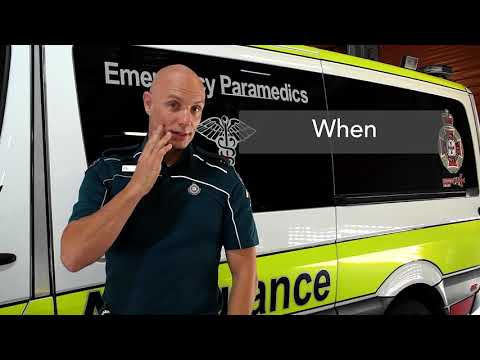
- Start with your dominant hand in a flat, open position, palm facing down.
- Position your hand about chest height, with your fingers pointing forward.
- Gently move your hand downward, as if you are placing a cover over an object.
- Maintain a solemn facial expression to convey the appropriate emotion associated with this sign.
Common Mistakes
- Forgetting to use an appropriate facial expression, which is crucial for conveying the sign’s meaning.
- Performing the sign too quickly, which may lead to confusion about its significance.
- Using an incorrect handshape; ensure that your hand remains flat throughout the motion.
Related Signs
- 1 – The sign for the number one.
- 1 Dollar – Signifying one dollar in currency.
- 10 – The sign for the number ten.
- 100 – Representing one hundred.
- 11 – The sign for the number eleven.
Using “Pall” in Everyday Conversations
The sign “Pall” can be used in various everyday situations, particularly when discussing themes of loss and mourning. Here are a few example sentences that illustrate how to incorporate this sign naturally:
- “My friend’s father passed away, we will have a pall at the service.”
- “They chose a beautiful pall for the funeral.”
- “During the memorial, everyone was respectful of the pall.”
These examples highlight contexts such as funerals, memorial services, or discussions about grief, where the sign “Pall” fits seamlessly into the conversation.
Cultural Notes
In the Australian Deaf community, the sign “Pall” holds significant cultural weight, especially during times of mourning. The use of this sign reflects the community’s emphasis on respect for those who have passed and the rituals associated with death. It is common for Deaf Australians to participate in memorial services where visual communication plays a crucial role in conveying emotions and sharing memories.
While the sign itself is largely consistent across various regions, some subtle variations in execution may be noticed in northern versus southern dialects. These differences often stem from local influences and should be appreciated as part of the rich tapestry of Auslan.
Tips for Learning This Sign
To effectively learn and remember the sign “Pall,” consider these practical tips:
- Mirror Practice: Stand in front of a mirror while practicing the sign. This will help you see your own movements and ensure you are mimicking the correct handshape and positioning.
- Focus on Non-Manual Features: Pay attention to facial expressions and body language that accompany the sign. These non-manual features add emotional depth and context to your signing.
- Use in Short Sentences: Create short sentences using “Pall” in various contexts. Repetition in different scenarios helps reinforce your memory and builds your confidence in using the sign in real conversations.
By integrating these practices into your learning routine, you will find it easier to incorporate “Pall” naturally into your Auslan conversations.
Frequently Asked Questions
How can I use “pall” in a sentence?
You might say, “I placed a pall over the casket,” using the sign to represent the action of covering.
Are there regional variations of the sign?
While the core sign remains consistent, some regions may have slight variations in handshape or movement.
What are similar signs to “pall”?
Signs related to mourning or covering include “grave,” “funeral,” and “remember.” Each has its own unique sign.
How does this compare to BSL?
British Sign Language (BSL) has different signs for “pall,” but the context surrounding death and mourning is similarly significant.
What tips do you have for teaching this sign?
Encourage students to practice with a partner and to focus on the emotional aspect of the sign for better comprehension.
Practice This Sign
Try signing Pall In Auslan with your camera and get AI coaching on your handshape, movement, and location.
Free · No signup required