
Offering in Australian Sign Language (Auslan)
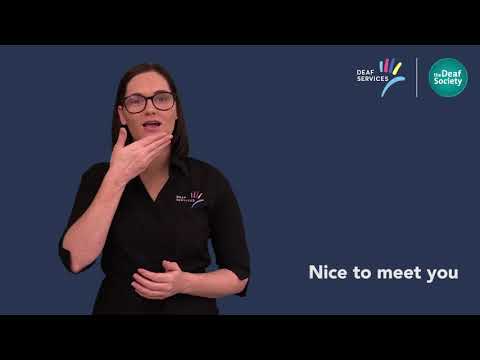
The sign for “offering” in Auslan is used to express the act of presenting something to someone, whether it’s a gift, assistance, or an invitation. It’s a gesture often used in social settings or when making proposals. This sign conveys goodwill and generosity.
Table of Contents
How to Sign “Offering”

- Start with your dominant hand in a flat handshape (like a “B” hand). Position it in front of your body at about waist level.
- Slowly extend your arm forward, moving it slightly away from your torso as if you are presenting something to someone.
- As you extend your arm, maintain a friendly facial expression, showing openness and generosity.
- Once your arm is fully extended, you can slightly raise your eyebrows to emphasize the offering.
Common Mistakes
- Some learners might forget to maintain a friendly facial expression, which is crucial for conveying the right message.
- Using a clenched fist instead of a flat hand can make the sign unclear or change its meaning.
- Failing to fully extend the arm may convey uncertainty rather than a clear offering.
Related Signs
- 1 – The numeral sign for one.
- 1 Dollar – Represents one dollar in currency.
- 10 – The numeral sign for ten.
- 100 – The numeral sign for one hundred.
- 11 – The numeral sign for eleven.
Using “Offering” in Everyday Conversations
The sign for “Offering” is commonly used in various social situations where you want to present something to someone or ask if they would like something. Here are a few examples of how it can be integrated into everyday conversations:
- Example 1: “Would you like some food?”
Auslan: (sign “YOU” + “OFFERING” + “FOOD”)
This comes up naturally at gatherings or meals, where you may want to offer food to others.
- Example 2: “I am offering you my help.”
Auslan: (sign “I” + “OFFERING” + “HELP” + “YOU”)
This is useful in situations where you want to lend a hand, such as during a group project or when a friend is facing challenges.
- Example 3: “She is offering her seat.”
Auslan: (sign “SHE” + “OFFERING” + “SEAT”)
This can be seen in public transport situations where someone might want to give up their seat for another person.
Cultural Notes
In the Australian Deaf community, the act of offering is deeply embedded in the cultural practice of sharing and inclusivity. Offering not only conveys the physical act of providing something but also reflects the values of generosity and community support that are prevalent in Deaf culture. The sign itself can vary slightly between regions, with some northern and southern dialects showcasing different handshapes or movements. This diversity is a reminder of the rich tapestry within the Australian Deaf community, where regional variations contribute to a unique cultural identity.
Tips for Learning This Sign
Practicing the sign for “Offering” can enhance your signing skills and help you remember it better. Here are some effective strategies:
- Mirror Practice: Stand in front of a mirror while practicing the sign. This allows you to see your hand shapes and movements clearly, helping you perfect your technique.
- Watch for Non-Manual Features: Pay attention to facial expressions and body language that accompany the sign. These non-manual features add context and emotion to the gesture.
- Use in Short Signed Sentences: Create simple sentences using “Offering” in various contexts. This helps reinforce your understanding and encourages you to use the sign in real-life situations.
Consistent practice and engagement with the Deaf community will strengthen your skills and confidence in using the sign appropriately.
Frequently Asked Questions
How can I use “offering” in a sentence?
You can say, “I am offering you my help,” which in Auslan would involve using the sign for “offering” while indicating the person you are helping.
Are there regional variations in how “offering” is signed?
While the basic sign remains the same, some regions might have slight variations in hand shape or facial expressions. It’s helpful to learn from local Deaf communities.
Is there a sign similar to “offering”?
Yes, the sign for “give” is similar, but typically more direct and may not convey the same sense of goodwill as “offering.”
How does this compare to BSL?
In British Sign Language (BSL), the sign for “offering” may have different hand shapes and movements. It’s beneficial to learn both to appreciate the distinctions.
What tips do you have for teaching this sign?
Encourage learners to practice in pairs, focusing on facial expressions and body language to enhance the meaning of the sign.
Practice This Sign
Try signing Offering In Auslan with your camera and get AI coaching on your handshape, movement, and location.
Free · No signup required