
Offense in Australian Sign Language (Auslan)

The sign for “offense” in Auslan conveys a sense of wrongdoing or a breach of social norms. It is commonly used in discussions about behavior, rules, or when addressing inappropriate actions in various contexts, such as in school or community settings.
Table of Contents
How to Sign “Offense”
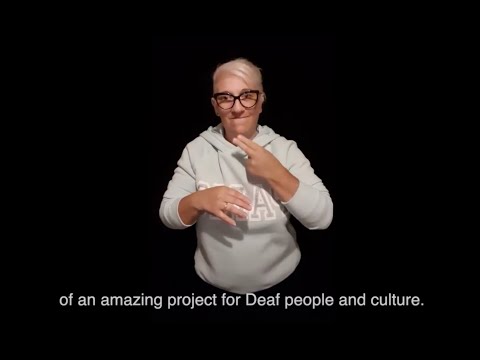
- Start with both hands in a flat hand shape (like a ‘B’ handshape).
- Position your dominant hand in front of your chest, palm facing inward.
- With your non-dominant hand, place it against the dominant hand, fingers pointing upward.
- Move your dominant hand slightly away from your non-dominant hand, while maintaining the flat handshape.
- Facial expressions should reflect seriousness or concern, as this sign carries weight in its meaning.
Common Mistakes
- Using a fist instead of a flat handshape, which can change the meaning of the sign.
- Incorrectly positioning the hands too far apart, making the sign unclear.
- Neglecting facial expressions, which are crucial for conveying the emotional aspect of the sign.
Related Signs
- 1 – The sign for the number one.
- 10 – The sign for the number ten.
- 100 – The sign for the number one hundred.
- 11 – The sign for the number eleven.
- 12 – The sign for the number twelve.
Using “Offense” in Everyday Conversations
The sign “Offense” is often used in various contexts, from discussing social issues to expressing personal feelings. Here are a few example sentences that demonstrate how to incorporate this sign naturally in conversation:
-
“That comment was OFFENSE to me.”
Situation: When discussing a hurtful comment made by a friend or colleague.
-
“He took offense when I pointed out his mistake.”
Situation: Talking about a misunderstanding or a reaction to constructive criticism.
-
“We should be careful not to offend anyone with our jokes.”
Situation: During a light-hearted conversation where humor is being shared, but sensitivity to others is also necessary.
Cultural Notes
In the Australian Deaf community, the concept of “offense” carries significant weight, as it often relates to cultural identity, respect, and communication norms. The sign is not just about hurt feelings; it reflects a deeper understanding of social dynamics within the Deaf community. Members are generally sensitive to language that can be considered disrespectful or dismissive of Deaf culture.
It’s also worth noting that there may be slight variations in how the sign is used or interpreted between northern and southern dialects of Auslan. For instance, in some regions, the facial expressions accompanying the sign may vary, reflecting local cultural nuances. Being aware of these differences can enhance communication and connection with others in the community.
Tips for Learning This Sign
To effectively learn and remember the sign for “Offense,” consider the following practical tips:
-
Mirror Practice: Use a mirror to practice the sign. This will help you refine your movements and ensure they are clear and accurate.
-
Non-Manual Features: Pay attention to your facial expressions and body language while signing “Offense.” These non-manual features can greatly enhance the meaning and emotional context of the sign.
-
Contextual Sentences: Create short sentences using the sign in different contexts. Practicing with varied scenarios will help solidify your understanding and recall of the sign in conversation.
Frequently Asked Questions
How can I use “offense” in a sentence?
You can say, “That action was an offense,” by signing the concept of offense after stating the action.
Are there regional variations of this sign?
While the sign is generally consistent, slight variations may exist based on community or region. Observing local signers can provide clarity.
What are similar signs to “offense”?
Signs like “wrong” or “bad” may convey similar meanings, but it’s important to understand the context in which each is used.
How does this sign compare to BSL?
BSL has its own sign for “offense,” which may differ in handshape and movement, reflecting the unique aspects of each sign language.
What are some teaching tips for this sign?
Encourage learners to practice with facial expressions and use real-life examples to understand the context of “offense.” Role-playing can be particularly effective.
Practice This Sign
Try signing Offense In Auslan with your camera and get AI coaching on your handshape, movement, and location.
Free · No signup required