
Ocean Bottom in Australian Sign Language (Auslan)
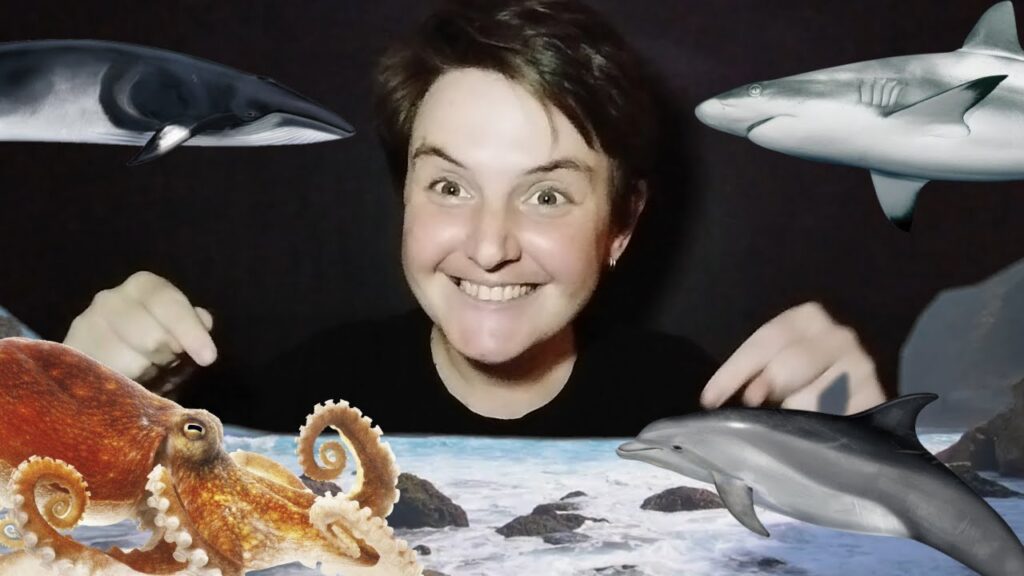
The sign for “ocean bottom” in Auslan refers to the seabed or the floor of the ocean. It’s commonly used in discussions about marine life, underwater exploration, or environmental topics related to the ocean. This sign can be particularly useful in educational settings or when sharing stories about the ocean.
Table of Contents
How to Sign “Ocean Bottom”

- Start with your dominant hand in a flat position, palm facing down.
- Position your hand about waist-height, representing the surface of the ocean.
- Slowly move your hand downwards, maintaining the flat handshape, to indicate the depth of the ocean.
- As you lower your hand, incorporate a gentle wave-like motion to mimic the movement of water.
- For added expression, use facial expressions that reflect the calmness or vastness of the ocean.
Common Mistakes
- Forgetting to use a flat handshape, which can lead to confusion with other signs.
- Moving the hand too quickly, which can make it hard to interpret the depth being conveyed.
- Neglecting facial expressions, which are essential for conveying the context and emotion behind the sign.
Related Signs
- 1 – The sign for the number one.
- 1 Dollar – Used to represent one dollar.
- 10 – The sign for the number ten.
- 100 – Represents one hundred.
- 11 – The sign for the number eleven.
Using “Ocean Bottom” in Everyday Conversations
The sign “Ocean Bottom” can be naturally integrated into various conversations, especially when discussing marine life, environmental issues, or personal experiences at the beach. Here are a few example sentences that illustrate how to use this sign effectively:
- “I love to explore the ocean bottom when I go snorkeling.”
(SIGN: I LOVE EXPLORE OCEAN BOTTOM SNORKELING) - “The ocean bottom is home to many unique creatures.”
(SIGN: OCEAN BOTTOM MANY UNIQUE CREATURES HOME) - “We need to protect the ocean bottom from pollution.”
(SIGN: WE NEED PROTECT OCEAN BOTTOM POLLUTION)
These sentences can come up in casual chats among friends or in educational settings when discussing marine biology or environmental conservation.
Cultural Notes
The concept of the “Ocean Bottom” holds significant cultural relevance within the Australian Deaf community, particularly among those who have a strong connection to the coast and marine environments. Many Deaf individuals engage in activities such as diving, snorkeling, and beach outings, making the sign particularly relevant in social and recreational contexts. There is a shared understanding of the importance of protecting marine ecosystems, which often leads to discussions about the ocean bottom in relation to conservation efforts.
While Auslan is relatively consistent across Australia, there may be slight variations in how signs are used or interpreted in northern versus southern regions. For instance, some northern Deaf communities may have specific terminologies or signs that relate closely to local marine life, while southern communities might incorporate signs that reflect their unique coastal experiences. Being aware of these dialectal differences can enhance communication and cultural understanding.
Tips for Learning This Sign
To effectively learn and remember the sign “Ocean Bottom,” consider the following strategies:
- Mirror Practice: Stand in front of a mirror while practicing the sign. This helps you see your hand shapes and movements, allowing you to adjust as needed.
- Watch for Non-Manual Features: Pay attention to facial expressions and body language that accompany the sign. These non-manual features are crucial for conveying meaning and emotion.
- Use in Short Sentences: Incorporate the sign into simple sentences during practice. This will help you become comfortable using “Ocean Bottom” in context and enhance your overall signing fluency.
By using these techniques, you’ll not only master the sign but also deepen your connection with the language and culture of the Deaf community.
Frequently Asked Questions
How can I use “ocean bottom” in a sentence?
You might say, “The ocean bottom is home to many unique creatures,” using the sign to emphasize the importance of this marine environment.
Are there regional variations of this sign?
While “ocean bottom” is generally consistent, some regions may have unique variations or associated signs, so it’s good to learn from local Deaf individuals.
Are there similar signs I should know?
Yes, signs for “sea,” “beach,” and “ocean” are related and can enhance your vocabulary when discussing aquatic topics.
How does this sign compare to BSL?
In British Sign Language (BSL), the sign for “ocean bottom” may differ, reflecting the unique vocabulary and grammar of BSL.
Any teaching tips for this sign?
Encourage students to practice with a partner, focusing on clarity of movement and facial expression to enhance their signing skills.
Practice This Sign
Try signing Ocean Bottom In Auslan with your camera and get AI coaching on your handshape, movement, and location.
Free · No signup required