
Objectives in Australian Sign Language (Auslan)
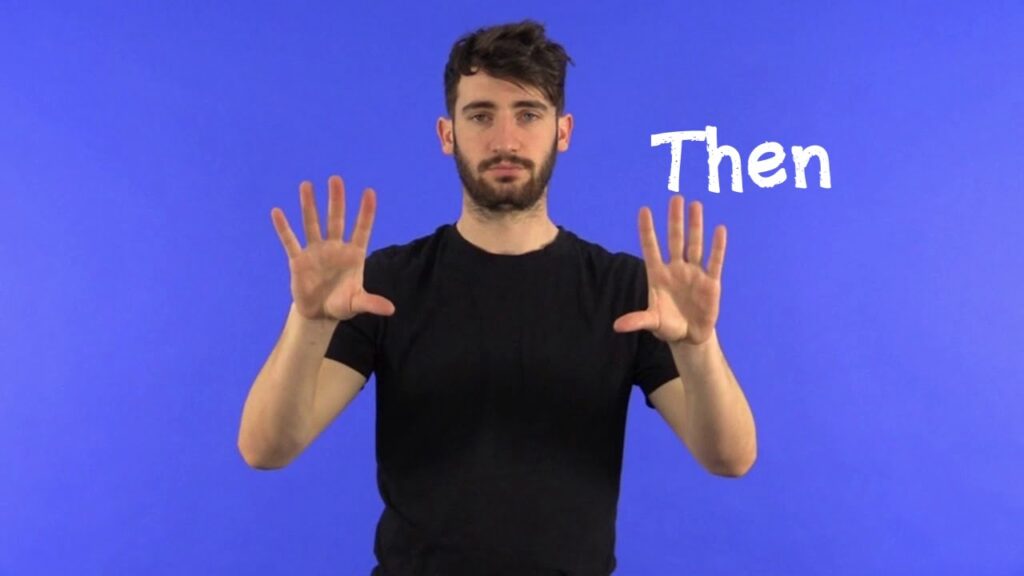
The sign for “objectives in Auslan” is used to convey goals or aims, particularly in educational or professional contexts. It emphasizes the importance of clear communication about what one hopes to achieve. This sign is often utilized during discussions about learning outcomes or project goals.
Table of Contents
How to Sign “Objectives”

- Start with your dominant hand in a flat, open position, palm facing upwards.
- Using your non-dominant hand, form a flat handshape and place it over your dominant hand.
- Gently bring your non-dominant hand up while your dominant hand stays still, symbolizing growth or reaching for objectives.
- Maintain a focused expression on your face, indicating determination and purpose.
Common Mistakes
- Some learners forget to maintain a steady hand position, which can alter the meaning of the sign.
- Confusing the hand shapes can lead to miscommunication; ensure you’re using the correct flat handshapes.
- Facial expressions are crucial in ASL; neglecting them can make the sign less effective.
Related Signs
- 1 – The sign for the number one.
- 10 – The sign for the number ten.
- 100 – The sign for the number one hundred.
- 11 – The sign for the number eleven.
- 12 – The sign for the number twelve.
Using “Objectives” in Everyday Conversations
Incorporating the sign for “Objectives” into everyday conversations can enhance clarity and engagement. Here are a few examples of how this sign might be used:
- Example 1: “Our objectives for the project are clear.” (PROJECT OBJECTIVES CLEAR)
- Example 2: “What are your personal objectives for learning Auslan?” (YOUR PERSONAL OBJECTIVES LEARNING AUSLAN?)
- Example 3: “The team discussed the objectives during the meeting.” (TEAM DISCUSS OBJECTIVES MEETING)
These phrases typically arise in educational settings, work environments, or casual discussions about personal goals, making the sign relevant in both professional and everyday contexts.
Cultural Notes
The sign for “Objectives” reflects the importance of goal-setting within the Australian Deaf community, particularly in educational and professional contexts. The concept of objectives aligns with the Deaf culture’s emphasis on communication access and empowerment through education.
While Auslan is largely uniform across Australia, there can be slight variations in signs based on regional dialects, particularly between northern and southern areas. These variations may influence speed or the specific handshape used, but the core concept remains consistent. Engaging with local Deaf communities can help learners appreciate these nuances and foster a deeper understanding of the language.
Tips for Learning This Sign
To effectively learn and remember the sign for “Objectives,” consider the following strategies:
- Mirror Practice: Use a mirror to practice the sign. This helps you observe your own movements and refine your technique.
- Watch for Non-Manual Features: Pay attention to facial expressions and body language when signing. These non-manual features can add emphasis and context to your signing.
- Incorporate into Short Sentences: Use the sign within simple, related sentences to enhance retention. For example, practice saying, “My objectives are important.” (MY OBJECTIVES IMPORTANT).
Regular practice in different contexts will reinforce your understanding and ability to use the sign confidently.
Frequently Asked Questions
Can you use “objectives in Auslan” in a sentence?
Yes! For example, you might say, “Our objectives in Auslan are to improve communication skills.”
Are there regional variations of this sign?
Yes, some regions may have slight variations in the handshape or movement, so it’s good to observe local signers.
Is there a similar sign in BSL?
Yes, BSL has its own sign for objectives, but the handshapes and movements differ significantly from Auslan.
What are some teaching tips for this sign?
Practice in front of a mirror to check your hand position and facial expressions. Group practice can also help reinforce learning.
How does this sign relate to other signs?
This sign connects with other goal-oriented signs like “plan” or “future” that also emphasize direction and purpose.
Can this sign be used in casual conversation?
While it’s more common in formal contexts, you can use it casually if discussing personal goals or aspirations.
Practice This Sign
Try signing Objectives In Auslan with your camera and get AI coaching on your handshape, movement, and location.
Free · No signup required