
Object Oriented Programming Oop in Australian Sign Language (Auslan)
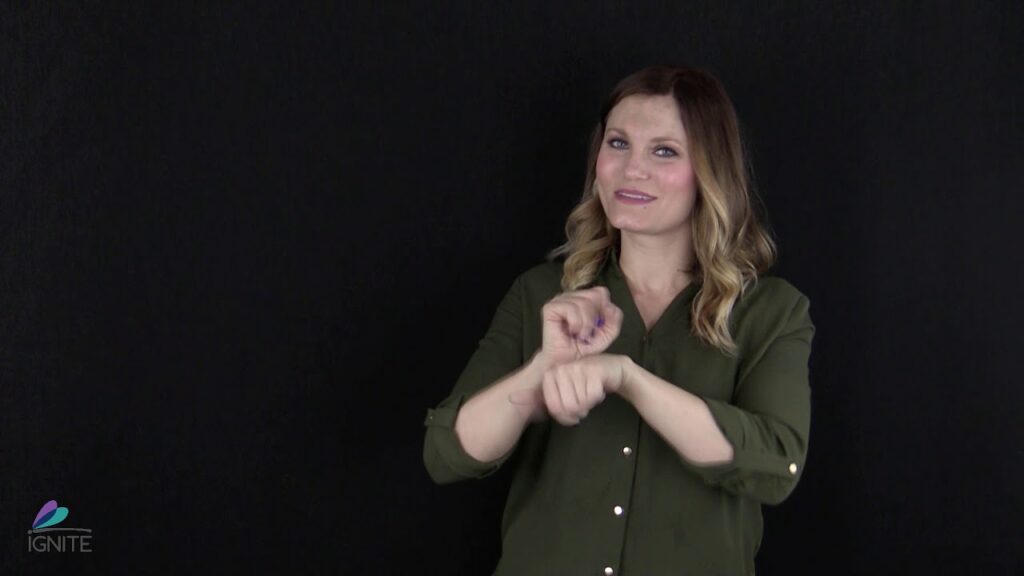
The sign for “Object Oriented Programming” (OOP) in Auslan is used in discussions about computer programming, specifically when talking about programming paradigms that use “objects” to represent data. This sign is commonly used in educational settings, tech discussions, and among professionals in the software development field.
Table of Contents
How to Sign “Object Oriented Programming Oop”
- Start with your dominant hand in a flat shape (like a “B” handshape) and hold it in front of your chest, palm facing down.
- Move your hand slightly forward and then make a circular motion, as if you are outlining the concept of an object.
- Next, use your non-dominant hand to form a “C” handshape and place it underneath the dominant hand, representing the foundational structure of programming.
- As you make this sign, maintain an engaged facial expression that reflects the complexity or importance of the topic.
Common Mistakes
- Forgetting to use both hands; the non-dominant hand is essential for representing the structure of programming.
- Not maintaining the proper handshape; clarity in the “B” and “C” shapes is crucial for understanding.
- Using too much movement; the sign should be smooth and concise to convey the technical nature of programming.
Related Signs
- 1 – The numeral sign for “one.”
- 10 – The numeral sign for “ten.”
- 100 – The numeral sign for “one hundred.”
- 12 – The numeral sign for “twelve.”
- 14 – The numeral sign for “fourteen.”
Using “Object Oriented Programming Oop” in Everyday Conversations
The sign for “Object Oriented Programming Oop” can be integrated into various discussions, especially in technology and programming contexts. Here are a few example sentences that illustrate how to use this sign naturally:
- Person A: “I am learning OOP for my computer science course.”
Auslan: “I (sign) LEARN OOP COMPUTER SCIENCE.” - Person B: “Do you prefer OOP or functional programming?”
Auslan: “YOU PREFER OOP OR FUNCTIONAL PROGRAMMING?” - Person C: “OOP helps with code organization.”
Auslan: “OOP HELP CODE ORGANIZATION.”
These sentences can come up naturally in conversations among students, professionals in tech fields, or during workshops and community events focused on coding and software development.
Cultural Notes
The sign for “Object Oriented Programming Oop” reflects a growing interest in technology within the Australian Deaf community. As more Deaf individuals pursue careers in IT and software development, the use of technical terms in Auslan becomes increasingly relevant. It’s also worth noting that while Auslan is generally consistent across Australia, some regional dialects may have slight variations in the signs used for technical terms. In particular, those in urban areas may encounter different interpretations than those in rural contexts, so being aware of these differences can enhance communication.
Tips for Learning This Sign
To effectively learn and remember the sign for “Object Oriented Programming Oop,” consider these practical tips:
- Mirror Practice: Use a mirror to practice the sign. This helps reinforce the movements and ensures you are forming the sign correctly.
- Observe Non-Manual Features: Pay attention to facial expressions and body language while signing. Non-manual features add meaning and context, making your signing more expressive.
- Incorporate into Short Sentences: Use the sign in simple, everyday sentences to build familiarity. The more you use it, the more natural it will feel.
Consistency and practice in real-life situations will help solidify your understanding and use of the sign within the context of programming discussions.
Frequently Asked Questions
How can I use “Object Oriented Programming” in a sentence?
You might say, “I am learning Object Oriented Programming in my computer science class,” using the sign to emphasize “Object Oriented Programming.”
Are there regional variations in signing this term?
Yes, some regions may have slight variations in the hand shapes or movements, so it’s best to learn from local Deaf educators.
What are some similar signs to “Object Oriented Programming”?
Similar signs include “programming,” “coding,” and “software development,” which all relate to technology and computer science.
How does this sign compare to BSL (British Sign Language)?
BSL has its own sign for “Object Oriented Programming,” which may look different from Auslan, reflecting cultural differences in sign language.
What teaching tips can help with this sign?
Practice with peers and use visual aids or diagrams to reinforce the concept of objects in programming, making it easier to connect the sign with its meaning.
Practice This Sign
Try signing Object Oriented Programming Oop In Auslan with your camera and get AI coaching on your handshape, movement, and location.
Free · No signup required