
Oatmeal in Australian Sign Language (Auslan)
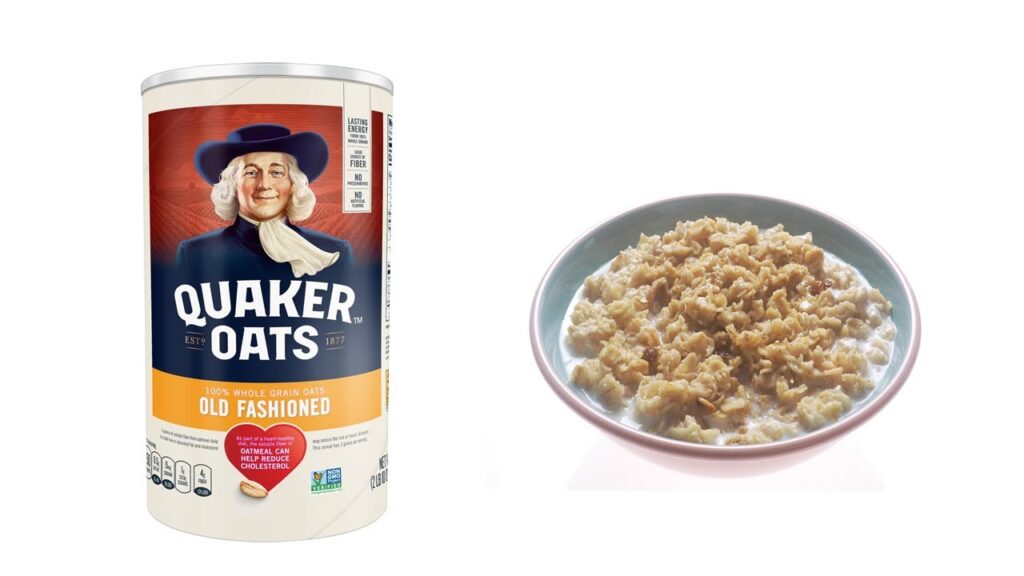
The sign for “oatmeal” in Auslan is used to refer to the popular breakfast dish made from oats. It’s a friendly and useful sign to know, especially during meal conversations or when discussing breakfast preferences with friends and family.
Table of Contents
How to Sign “Oatmeal”
- Start with your dominant hand in a flat shape, with fingers extended together, as if mimicking a bowl.
- Position your hand at waist level, palm facing upwards.
- With your other hand, use a fist and place it above the flat hand, mimicking the motion of stirring.
- Make a gentle circular motion with your fist, as if you are stirring the oatmeal in the bowl.
- Maintain a friendly facial expression, perhaps smiling, to convey warmth and friendliness in the conversation.
Common Mistakes
- Some learners may forget to use both hands, which can make the sign appear incomplete.
- Using a flat hand instead of a fist for the stirring motion can lead to confusion, as it doesn’t accurately represent the action.
- Neglecting facial expressions can make the sign feel less engaging or friendly; remember that facial expressions are crucial in Auslan!
Related Signs
- 1 – Sign for the number one.
- 1 Dollar – Sign indicating a single dollar.
- 10 – The sign for the number ten.
- 100 – The sign for one hundred.
- 11 – The sign for the number eleven.
Using “Oatmeal” in Everyday Conversations
Incorporating the sign for “oatmeal” into your daily conversations can enhance communication and make interactions more relatable, especially when discussing meals or breakfast preferences. Here are a few example sentences to illustrate how to use this sign in context:
- “I eat oatmeal every morning.” (I – EVERY MORNING – OATMEAL – EAT)
- “Do you want oatmeal for breakfast?” (YOU – WANT – OATMEAL – FOR – BREAKFAST)
- “My favourite topping for oatmeal is fruits.” (MY – FAVOURITE – TOPPING – FOR – OATMEAL – IS – FRUITS)
These sentences may come up naturally in discussions about meal planning, dietary habits, or even while sharing recipes with friends and family. The sign for “oatmeal” is a useful addition to your vocabulary, especially in casual conversations about food.
Cultural Notes
In the Australian Deaf community, food-related signs like “oatmeal” reflect not only dietary preferences but also social habits and cultural practices around meals. Oatmeal may be seen as a wholesome, traditional breakfast option, often shared during gatherings or family meals. It is common to talk about food in social settings, and sharing preferences can strengthen bonds within the community.
While the sign for “oatmeal” remains relatively consistent across Australia, regional dialects may influence its usage subtly. Northern and southern dialects might have slight variations in facial expressions or speed of signing, reflecting local nuances in communication. Being aware of these differences can enhance your understanding and fluency in Auslan.
Tips for Learning This Sign
Practicing the sign for “oatmeal” can be enjoyable and effective with a few helpful strategies:
- Mirror Practice: Stand in front of a mirror while practicing the sign. This allows you to observe your handshape and ensure it matches the correct movement.
- Watch for Non-Manual Features: Pay attention to your facial expressions and body language. Non-manual features are crucial in Auslan and can enhance the meaning of the sign.
- Use in Short Signed Sentences: Create simple sentences incorporating “oatmeal” and practice using them in context with friends or fellow learners. This reinforces your memory and helps you feel more comfortable using the sign naturally.
By incorporating these tips into your practice routine, you will find it easier to remember and use the sign for “oatmeal” confidently in everyday conversations.
Frequently Asked Questions
How can I use “oatmeal” in a sentence?
You can say, “I eat oatmeal for breakfast,” which would be signed by combining the signs for “I,” “eat,” and “oatmeal.”
Are there regional variations for this sign?
While “oatmeal” is commonly signed in this way, some regions may have slight variations, so it’s good to observe local Deaf community practices.
Are there similar signs for other breakfast foods?
Yes, signs for foods like “cereal” or “pancake” might be similar, often involving hand shapes that represent the food item.
How does this sign compare to BSL?
The sign for “oatmeal” in British Sign Language (BSL) may differ, as BSL has its own unique signs for food items.
What are some teaching tips for this sign?
Practice in front of a mirror to see your facial expressions and hand movements, and watch native Auslan users for additional context.
Practice This Sign
Try signing Oatmeal In Auslan with your camera and get AI coaching on your handshape, movement, and location.
Free · No signup required