
Naval Forces in Australian Sign Language (Auslan)
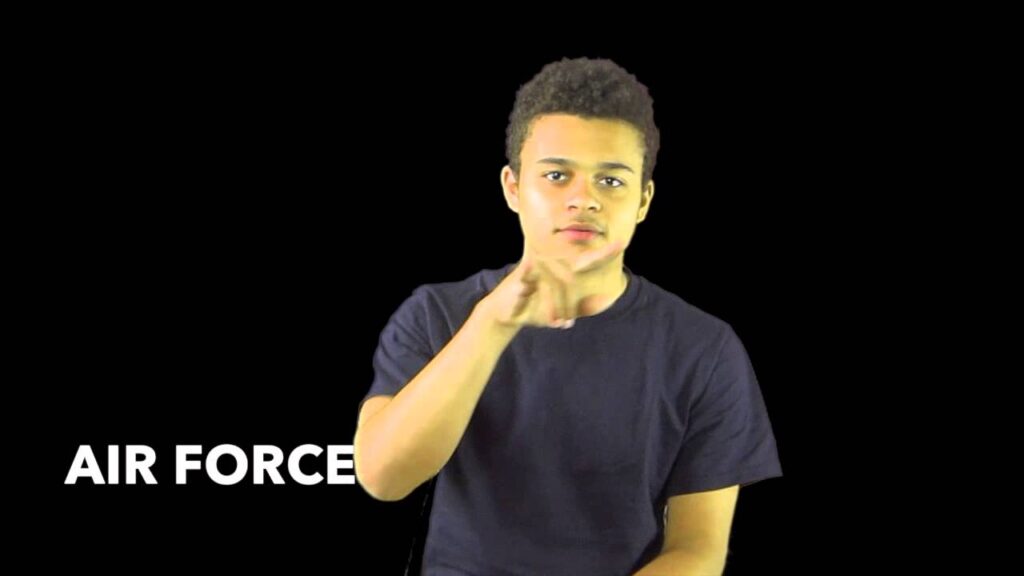
The sign for “naval forces” in Auslan represents military maritime operations and is commonly used in discussions about defense, military strategy, or naval activities. This sign may be especially useful in conversations involving current events or historical contexts related to maritime forces.
Table of Contents
How to Sign “Naval Forces In Auslan”
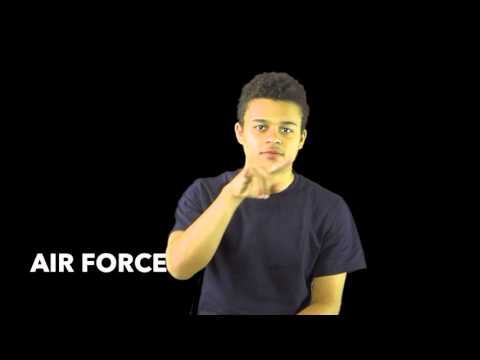
- Start with both hands in a flat “B” shape (palms facing down).
- Position your dominant hand above your non-dominant hand, slightly to the front.
- Move your dominant hand forward in a smooth motion while keeping both hands in place.
- As you move your dominant hand forward, slightly tilt your head forward to emphasize the action.
Common Mistakes
- Forgetting to use the flat “B” handshape, often leading to unclear signing.
- Not moving the dominant hand forward, which can make the sign appear incomplete.
- Neglecting facial expressions, which are important for conveying the meaning and context of the sign.
Related Signs
- 1 – The sign for the number one.
- 1 Dollar – Represents one dollar in currency.
- 10 – The sign for the number ten.
- 100 – Signifying one hundred.
- 11 – The sign for the number eleven.
Using “Naval Forces” in Everyday Conversations
Incorporating the sign for “Naval Forces” into everyday conversations can help convey specific information about military and defence topics. Here are a few example sentences that illustrate how to use this sign naturally:
- “I heard the Naval Forces will be participating in a training exercise next week.” (SIGN: ‘NAVAL FORCES’ TRAINING EXERCISE NEXT WEEK)
- “The Naval Forces are crucial for protecting our maritime borders.” (SIGN: ‘NAVAL FORCES’ IMPORTANT PROTECT OUR BORDERS)
- “My brother is joining the Naval Forces after finishing his studies.” (SIGN: ‘MY BROTHER’ FINISH STUDIES JOIN NAVAL FORCES)
These sentences can arise in discussions about current events, career choices, or military service, making the sign relevant in various contexts.
Cultural Notes
The sign for “Naval Forces” holds significance within the Australian Deaf community, reflecting not only military terminology but also cultural identity. Members of the Deaf community often engage in discussions related to national service, especially among those who have family or friends in the military. This sign is used in contexts where military pride and respect for service members are expressed.
While Auslan is generally consistent across Australia, there can be slight variations in signing styles between northern and southern regions. However, the sign for “Naval Forces” remains largely the same, emphasizing the shared understanding and unity within the Deaf community nationwide.
Tips for Learning This Sign
To effectively learn and remember the sign for “Naval Forces,” consider the following practices:
- Mirror Practice: Stand in front of a mirror while practicing the sign. This allows you to see your handshape and facial expressions, ensuring you are forming the sign correctly.
- Non-Manual Features: Pay attention to facial expressions and body language when signing. These non-manual features can add emphasis and context to your signing.
- Use in Short Signed Sentences: Create short sentences incorporating “Naval Forces” in various contexts. This will help reinforce your understanding and recall of the sign.
Consistent practice through these methods will enhance your comfort and fluency with the sign, making it a natural part of your Auslan vocabulary.
Frequently Asked Questions
How can I use “naval forces” in a sentence?
You can say, “The naval forces were deployed for the mission,” using the sign to emphasize the topic of discussion.
Are there regional variations for this sign?
Yes, some regions may have slight variations in handshape or movement. Observing local signers can help clarify these differences.
Is there a similar sign in BSL?
Yes, while the signs may differ in execution, both Auslan and BSL have signs for naval forces that convey similar meanings.
What are some tips for teaching this sign?
Encourage students to practice with a partner and emphasize the facial expressions and movement to enhance clarity and context.
Can this sign be used in military contexts?
Absolutely! It is commonly used in discussions about military operations, strategies, and exercises related to naval activities.
What is the importance of handshape in this sign?
The handshape helps to clearly distinguish the sign from others, making it essential for effective communication in Auslan.
Practice This Sign
Try signing Naval Forces In Auslan with your camera and get AI coaching on your handshape, movement, and location.
Free · No signup required