
Navigation in Australian Sign Language (Auslan)

The sign for “navigation in Auslan” represents the concept of finding one’s way or understanding routes, commonly used in discussions about travel, directions, or map reading. It’s especially useful in conversations about exploring new places or when giving directions to someone.
Table of Contents
How to Sign “Navigation”
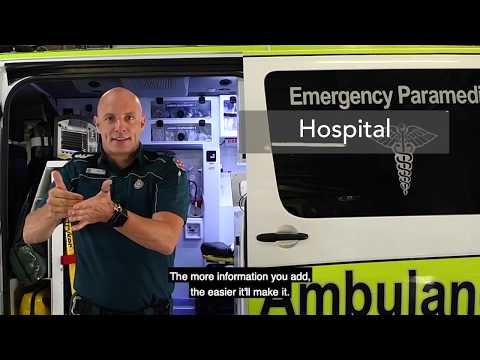
- Start with your dominant hand in a flat “B” handshape (palm facing down).
- Position your hand in front of you at about chest height.
- Move your hand in a circular motion to the right, indicating the idea of turning or changing directions.
- As you make the circular motion, furrow your brows slightly to show focus and intent, which conveys the idea of navigation.
- Complete the motion by returning your hand to the starting position, signaling the end of the navigation process.
Common Mistakes
- Some learners forget to maintain the “B” handshape, using a flat hand instead.
- Not incorporating facial expressions can make the sign less clear; showing focus is key.
- Making the motion too fast can lead to confusion about the sign’s meaning.
Related Signs
- 1 – Represents the number one in ASL.
- 1 Dollar – Indicates a single dollar amount.
- 10 – Represents the number ten in ASL.
- 100 – Indicates the number one hundred in ASL.
- 11 – Represents the number eleven in ASL.
Using “Navigation” in Everyday Conversations
The sign for “Navigation” can be seamlessly integrated into many everyday conversations, especially when discussing travel or directions. Here are a few example sentences that demonstrate how to use this sign in context:
- Example 1: “I need help with navigation for my trip to Sydney.”
(Auslan: “I NEED HELP NAVIGATION SYDNEY TRIP.”)
- Example 2: “Can you show me the best navigation app?”
(Auslan: “CAN YOU SHOW ME BEST NAVIGATION APP?”)
- Example 3: “Navigation is easier with GPS.”
(Auslan: “NAVIGATION EASIER GPS.”)
These examples could come up naturally in conversations among friends planning a road trip, a family discussing travel plans, or even in a classroom setting where technology and travel methods are explored.
Cultural Notes
In the Australian Deaf community, the concept of navigation extends beyond just physical travel; it also encompasses the navigation of social interactions and cultural spaces. Many Deaf individuals rely on strong spatial awareness and visual cues for navigation in both literal and metaphorical senses. The sign for “Navigation” is often used in discussions about accessibility in public spaces, highlighting the importance of clear signage and directions for Deaf people.
While Auslan is relatively consistent across Australia, there may be slight regional variations in the execution of the sign, particularly between northern and southern dialects. For example, some users in the northern regions may incorporate more facial expressions to convey urgency or importance when discussing navigation, while southern users might focus more on the clarity of hand shapes.
Tips for Learning This Sign
Practicing the sign for “Navigation” can be fun and engaging. Here are some concrete ways to enhance your learning:
- **Mirror Practice:** Stand in front of a mirror while practicing the sign. This helps you observe your own movements and ensure that your hand shapes and facial expressions are accurate.
- **Watch for Non-Manual Features:** Pay attention to your facial expressions and body language when signing “Navigation.” This adds context and emotion, making your signing more expressive.
- **Use in Short Signed Sentences:** Incorporate the sign into simple conversations. For example, practice making statements about your day-to-day activities that involve navigation, like going to work or meeting friends.
By consistently using these techniques, you can reinforce your memory of the sign and become more confident in your Auslan communication.
Frequently Asked Questions
How can I use “navigation in Auslan” in a sentence?
You can say, “I need help with navigation in Auslan when visiting a new city.”
Are there regional variations in the sign for navigation?
While the sign is generally consistent, some regions may have slight variations in hand movement or facial expressions.
What are some similar signs in ASL?
Signs like “direction,” “map,” and “travel” are related and often used in similar contexts.
How does this sign compare to BSL?
The sign for “navigation” in BSL may differ in handshape and movement, reflecting the unique aspects of British Sign Language.
What tips do you have for teaching this sign?
Encourage learners to practice with a partner and incorporate facial expressions to enhance understanding.
Practice This Sign
Try signing Navigation In Auslan with your camera and get AI coaching on your handshape, movement, and location.
Free · No signup required